
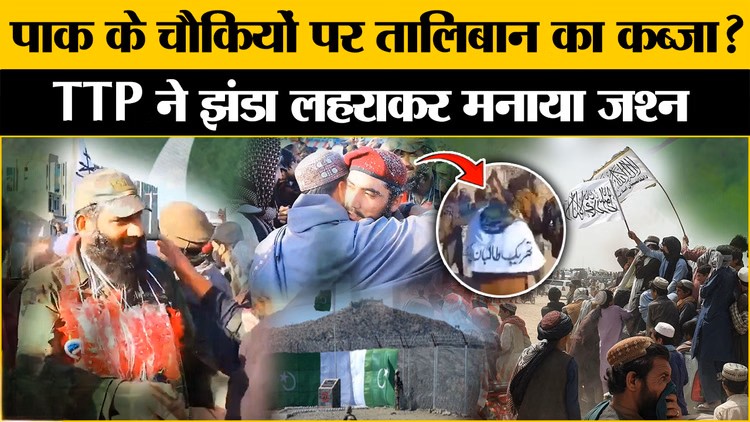
Taliban Attack Durand Line: Two Posts Seized, Tensions Soar on Afghanistan–Pakistan Border
Taliban attack Durand Line The fragile peace along the Afghanistan–Pakistan frontier has once again been shaken by reports of escalating clashes. According to multiple regional sources, Taliban fighters have allegedly seized two Pakistani military posts near the disputed Durand Line, intensifying already strained relations between the neighboring countries.
The development has sparked widespread debate, military mobilization, and diplomatic concern across South Asia. At the center of the storm is one headline that has dominated discussions: Taliban attack Durand Line.
Understanding the Durand Line Dispute
The Durand Line is a 2,640-kilometer border established in 1893 between British India and Afghanistan. Today, it separates Pakistan from Afghanistan. However, successive Afghan governments have historically refused to formally recognize it as an international border.
The border region remains volatile, characterized by mountainous terrain, tribal communities, and frequent cross-border movement. Every time tensions flare up, it raises concerns about stability in the broader region.
Now, with reports emerging that Taliban attack Durand Line positions and capture Pakistani posts, the situation has entered a new phase.
What Happened Near the Border?
According to unconfirmed reports circulating in regional media, Taliban fighters launched coordinated assaults on two Pakistani security posts near the border region. The reports claim that these posts were temporarily captured after intense exchanges of fire.
While official confirmations remain limited, sources suggest that the clashes were preceded by allegations of drone surveillance and possible airstrike activity in border villages. Pakistan has frequently accused militant elements of launching attacks from Afghan territory, while Kabul has denied harboring such groups.
If the reports are accurate, this marks a significant escalation beyond isolated skirmishes.
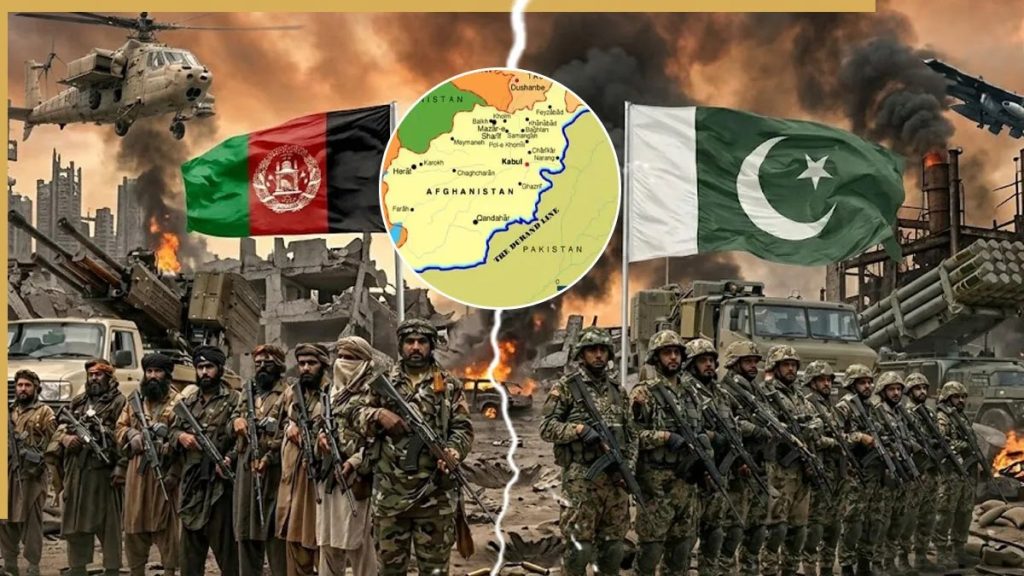
Rising Military Activity
Military activity between the two countries has reportedly intensified. Both sides are believed to have increased patrols, deployed reinforcements, and heightened aerial surveillance.
Local residents in border districts have reported hearing artillery fire and seeing helicopters in the sky. Some families have allegedly fled villages close to the contested areas.
The cycle of accusation and retaliation is becoming familiar in this volatile region.
The Taliban’s Position
Taliban, which returned to power in Afghanistan in 2021, has often criticized Pakistan’s fencing of the border. Taliban officials have repeatedly stated that the Durand Line remains a disputed issue.
In previous incidents, Taliban fighters have reportedly removed sections of border fencing erected by Pakistan. The alleged capture of posts, if verified, signals a more direct confrontation.
Observers believe the Taliban may be attempting to assert territorial authority and demonstrate resistance to what they see as unilateral border measures.
Pakistan’s Security Concerns
Pakistan has long expressed concerns about cross-border militant infiltration. Islamabad argues that fencing the border is necessary to curb terrorism and unauthorized movement.
Pakistani officials have accused armed groups operating from Afghan soil of carrying out attacks inside Pakistan. Tensions have escalated periodically, especially when airstrikes or drone operations are alleged.
If two posts were indeed seized, Pakistan is likely to respond firmly to reassert control and deter future incursions.
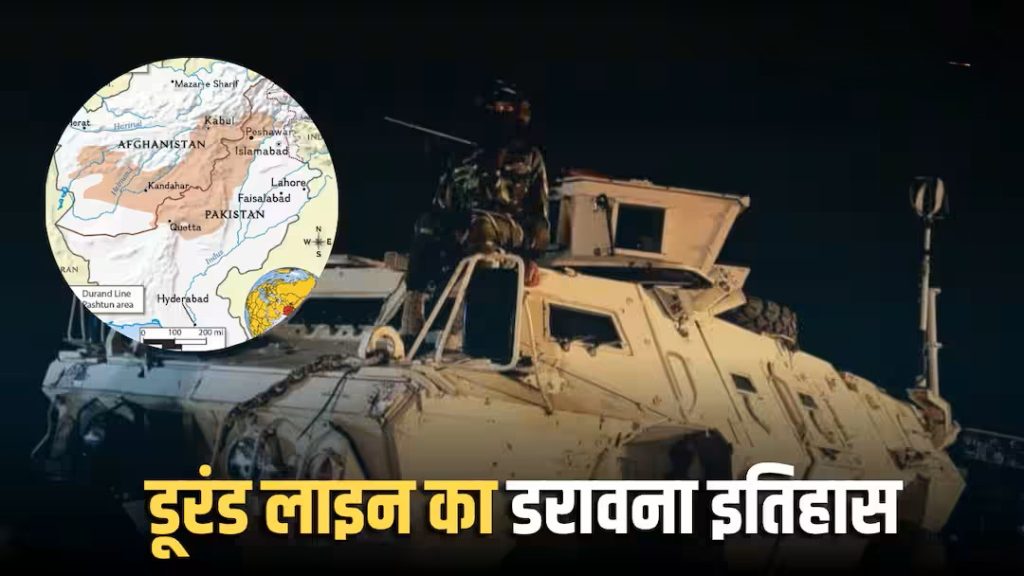
Allegations of Drone Attacks and Airstrikes
Reports suggest that military tensions were already high before the latest confrontation. Allegations of drone surveillance and cross-border airstrikes have circulated in recent weeks.
Afghan officials have accused Pakistan of violating Afghan airspace, while Pakistani authorities have denied targeting civilians.
The fog of war makes it difficult to independently verify claims from either side, but the rising frequency of such accusations suggests deep mistrust.
Regional Implications
Afghanistan remains politically and economically fragile. Any prolonged border conflict could disrupt trade routes and humanitarian operations.
The border crossings at Torkham and Chaman are crucial for commerce and aid supply chains. Military escalation risks disrupting essential goods and worsening economic challenges.
Neighboring countries are closely watching the situation.
The Strategic Importance of the Border
The Durand Line cuts through tribal areas where loyalties often transcend national boundaries. For decades, these regions have been difficult to police.
The rugged terrain provides cover for armed groups and complicates military operations.
Taliban attack Durand Line
Control of border posts carries symbolic and strategic significance.
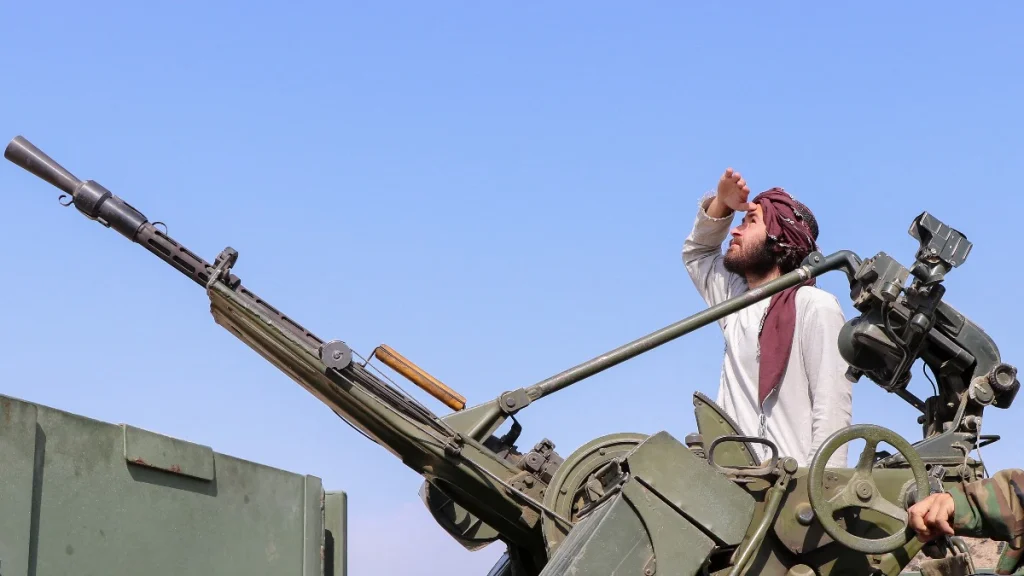
Diplomatic Channels Under Pressure
Both countries maintain diplomatic missions and have engaged in talks in the past to reduce tensions.
Taliban attack Durand Line
However, repeated clashes strain diplomatic relations and undermine trust-building efforts.
International mediators may need to step in if the crisis deepens.
Impact on Civilians
Border communities often bear the brunt of conflict. Reports suggest that some residents have fled temporarily due to fear of escalation.
Schools, markets, and local trade routes can be disrupted during periods of heightened military activity.
Humanitarian organizations are monitoring the situation closely.
Historical Flashpoints
The Afghanistan–Pakistan border has witnessed numerous clashes over decades. Disputes over fencing, checkpoints, and cross-border operations are not new.
Taliban attack Durand Line
However, the alleged seizure of military posts marks a more overt show of force.
Taliban attack Durand Line
This development could signal a shift in tactics or strategy.
Possible Scenarios Ahead
Experts suggest several potential outcomes:
- Rapid de-escalation through talks
- Limited retaliatory strikes
- Prolonged low-intensity skirmishes
Taliban attack Durand Line
The direction events take will depend on political calculations in both capitals.
Taliban attack Durand Line
International Reaction
Major global powers are likely to urge restraint. Stability in South Asia is vital for broader regional security.
Taliban attack Durand Line
Escalation could impact trade corridors and geopolitical alliances.
Taliban attack Durand Line
Military Calculations
Both sides possess significant ground forces along the frontier. Any expansion of conflict could result in casualties and infrastructure damage.
Taliban attack Durand Line
Military analysts caution that mountainous warfare is unpredictable.
Taliban attack Durand Line
The Role of Intelligence and Surveillance
Modern conflicts often involve drones, satellite monitoring, and electronic intelligence.
Taliban attack Durand Line
Claims of drone incursions have become a recurring theme in border disputes.
Taliban attack Durand Line
Economic Stakes
Cross-border trade is a lifeline for many communities.
Taliban attack Durand Line
Prolonged closures could hurt small businesses and transport networks.
Taliban attack Durand Line
Political Messaging
Both sides may use the incident to project strength domestically.
Taliban attack Durand Line
Border incidents often influence internal political narratives.
Taliban attack Durand Line
Conclusion: A Fragile Frontier
The reported seizure of two Pakistani posts near the Durand Line represents a serious development in Afghanistan–Pakistan relations. Whether this becomes a short-lived clash or the beginning of prolonged tension depends on diplomatic engagement and military restraint.
Taliban attack Durand Line
The coming days will reveal whether cooler heads prevail or whether the region braces for further escalation.
Taliban attack Durand Line
Read more latest news

