

Introduction
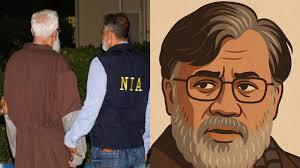
In a significant development concerning the 26/11 Mumbai terror attacks, Pakistani-origin Canadian national Tahawwur Rana, a key figure in the conspiracy, is set to be extradited to India. Reports suggest that during his interrogation, Rana provided crucial information to the National Investigation Agency (NIA). He allegedly stated, “Just get these three things,” referring to specific pieces of evidence or information pertinent to the investigation. This statement has piqued the interest of investigators and analysts alike, as it could potentially shed light on previously unknown aspects of the attack and its masterminds.
Background: The 26/11 Mumbai Attacks
On November 26, 2008, Mumbai was rocked by a series of coordinated terrorist attacks carried out by ten gunmen associated with the Pakistan-based militant group Lashkar-e-Taiba (LeT). The attackers targeted multiple locations, including the Taj Mahal Palace Hotel, Oberoi Trident Hotel, CST Railway Station, and Nariman House, resulting in the deaths of 166 individuals and injuries to over 300. David Headley, a Pakistani-American, played a pivotal role in scouting these locations, while Rana facilitated his operations by providing logistical support through his immigration business.
Rana’s Role in the Conspiracy
Tahawwur Rana’s involvement in the 26/11 attacks has been a subject of extensive legal proceedings. While he was convicted in the United States for supporting LeT, he was acquitted of direct involvement in the Mumbai attacks. Indian authorities, however, have maintained that his actions were instrumental in facilitating the attacks. The NIA has been keen on bringing Rana to India to further investigate his role and to gather additional evidence that could implicate other individuals or organizations involved in the planning and execution of the attacks.

The Alleged Statement: “Just Get These Three Things”
According to sources, during his interrogation by the NIA, Rana allegedly mentioned, “Just get these three things,” implying that there are three critical pieces of information or evidence that could significantly advance the investigation. While the exact nature of these “three things” remains undisclosed, their identification and acquisition could provide new insights into the planning and execution of the 26/11 attacks.
Implications for the Investigation
If Rana’s statement leads to the discovery of new evidence, it could have several implications:
- Identification of Additional Co-Conspirators: The information could reveal the identities of other individuals who were involved in the planning or execution of the attacks but have not yet been apprehended.
- Uncovering New Planning Details: It might provide details about the planning stages of the attacks, including meetings, communications, and logistical arrangements that were previously unknown.
- Strengthening Legal Cases: New evidence could bolster the legal cases against those already charged or lead to the prosecution of new individuals.
- Insight into Terrorist Networks: The information could offer a deeper understanding of the operational methods and organizational structures of militant groups like LeT.
Legal and Diplomatic Considerations
Rana’s extradition to India has been a complex process, involving legal challenges and diplomatic negotiations. The U.S. Supreme Court’s recent decision to deny his petition against extradition has paved the way for his transfer to Indian custody. Once in India, Rana is expected to be held in high-security facilities, such as Tihar Jail in Delhi, where he will undergo further interrogation. Indian authorities are hopeful that his cooperation will yield valuable information to aid in the investigation and prosecution of those responsible for the 26/11 attacks.
Conclusion
Tahawwur Rana’s alleged statement, “Just get these three things,” could be a pivotal moment in the ongoing efforts to bring justice to the victims of the 26/11 Mumbai attacks. As Indian authorities work to uncover the details behind this remark, there is cautious optimism that it may lead to new revelations about the attack’s masterminds and their networks. The successful extradition and cooperation of individuals like Rana are crucial steps in ensuring accountability and preventing future acts of terrorism.
read more latest news

