

Supriya Sule Given Responsibility: Joint Parliamentary Committee to Examine Foreign Contribution Amendment Bill 2026
The phrase Supriya Sule given responsibility has become significant in the latest parliamentary development concerning India’s foreign funding laws. A Joint Parliamentary Committee (JPC) will now examine the Foreign Contribution (Regulation) Amendment Bill, 2026, introduced by the Central Government to bring changes to the legal framework governing foreign contributions and funding in India.
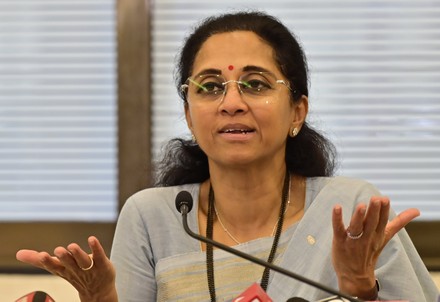
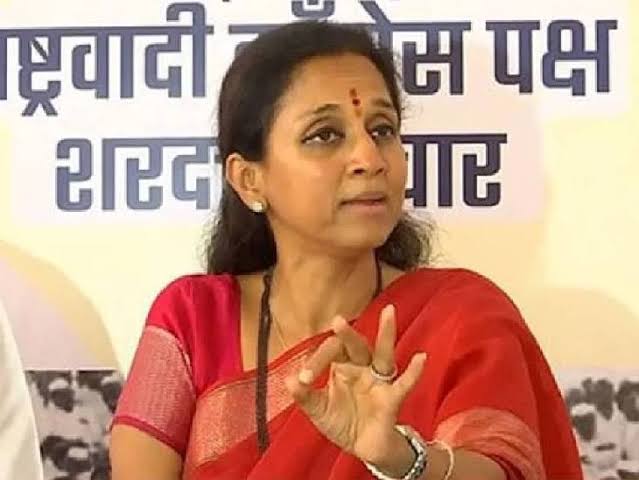
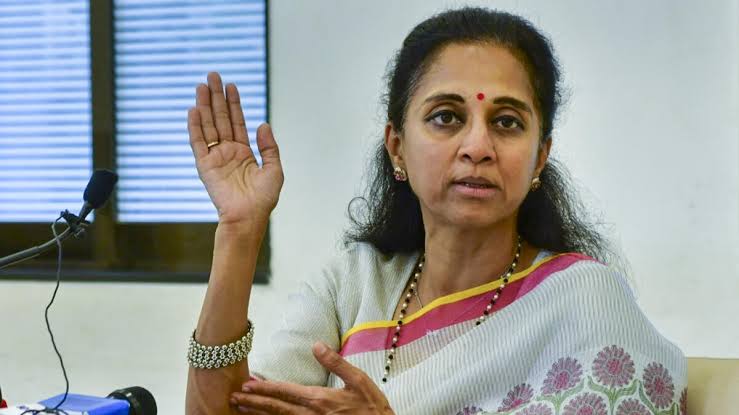
Lok Sabha Speaker Om Birla announced the formation of the committee on Thursday, September 3. Nationalist Congress Party (Sharad Pawar) MP Supriya Sule has been appointed as a member of the joint committee. The development has drawn attention because the proposed legislation deals with regulations surrounding foreign contributions, an area that has important implications for organisations, institutions and other entities receiving funding from abroad.
Supriya Sule Given Responsibility in Key Parliamentary Committee
The development described as Supriya Sule given responsibility places the NCP (Sharad Pawar) leader within a parliamentary panel that will study the proposed legislation in detail. Joint Parliamentary Committees are generally formed to conduct a more detailed examination of important bills and policy matters.
As a member of the committee, Sule will have an opportunity to participate in discussions, examine provisions and contribute to the parliamentary review process. The committee’s deliberations can involve detailed consideration of the proposed changes, their potential consequences and the concerns raised by different stakeholders.
The announcement that Supriya Sule given responsibility as a member of the JPC comes at a time when foreign funding regulations remain an important subject of public and political discussion.
What Is the Foreign Contribution (Regulation) Amendment Bill 2026?
The Foreign Contribution (Regulation) Amendment Bill, 2026, has been introduced by the Central Government with the objective of making changes to laws governing foreign contributions in India.
Foreign funding is regulated through the Foreign Contribution (Regulation) Act, commonly known as FCRA. The framework establishes rules for receiving and using contributions originating outside India.
Organisations that receive foreign contributions are required to follow the applicable legal and regulatory requirements. These rules are intended to ensure transparency, accountability and compliance in the handling of foreign funds.
With Supriya Sule given responsibility on the committee, the proposed amendments will now undergo a broader parliamentary examination before the legislative process moves forward.
Role of the Joint Parliamentary Committee
A Joint Parliamentary Committee can play an important role in examining complicated legislation. Members can study the bill clause by clause, discuss its provisions and consider representations or concerns from relevant stakeholders.
The committee’s work can provide lawmakers with an opportunity to understand how proposed legal changes could affect different sections of society and organisations.
The announcement regarding Supriya Sule given responsibility therefore represents more than an individual parliamentary appointment. It places an opposition MP in the process of examining legislation that could influence India’s foreign contribution regulatory system.
Why Foreign Funding Regulations Matter
Foreign contributions can support a variety of activities, including social welfare, education, research, charitable initiatives and other permitted activities. At the same time, governments around the world maintain regulatory frameworks to ensure that foreign funding does not undermine national interests or violate domestic laws.
India’s FCRA framework has therefore remained an important part of the country’s regulatory system. Any proposed amendments can attract considerable attention from political parties, civil society organisations and other stakeholders.
The inclusion of Supriya Sule given responsibility in the parliamentary committee means that her views and participation will form part of the broader legislative discussion surrounding these proposed changes.
Supriya Sule’s Parliamentary Role
Supriya Sule is a prominent parliamentarian and has frequently participated in discussions on national policy and legislation. Her appointment to the JPC provides another platform for her to contribute to parliamentary deliberations.
The development described as Supriya Sule given responsibility could allow her to raise questions, participate in committee discussions and examine the potential impact of the proposed amendments.
For opposition parties, participation in parliamentary committees provides an important opportunity to scrutinise government legislation. Committee proceedings can also allow MPs to examine technical and legal details that may receive less attention during regular parliamentary debates.
Government’s Perspective on Foreign Contribution Laws
The Central Government’s decision to introduce the Foreign Contribution (Regulation) Amendment Bill, 2026, indicates its intention to modify the existing legal framework governing foreign funding.
The government’s position on foreign contribution regulation is generally linked to the need for transparency, accountability and protection of national interests. Any changes to the existing system are likely to be examined closely by Parliament.
The fact that Supriya Sule given responsibility as a JPC member means the opposition will have representation in the detailed examination of the proposed legislation.
Opposition’s Role in the Bill’s Examination
The parliamentary committee system allows members from different political parties to participate in the examination of proposed laws. This can create an environment where government proposals are subjected to detailed scrutiny.
The appointment of Sule is therefore relevant from the perspective of parliamentary oversight. Supriya Sule given responsibility as part of the committee could enable her to put forward concerns, suggestions or questions regarding the bill during its examination.
The committee’s eventual observations may become an important part of the legislative discussion, although the final decision regarding the bill will remain part of the parliamentary process.
What Happens Next?

Following the formation of the Joint Parliamentary Committee, members are expected to begin the process of examining the Foreign Contribution (Regulation) Amendment Bill, 2026.
The committee may hold discussions, review the provisions of the bill and consider different perspectives before preparing its report. The exact timeline and nature of its proceedings will depend on parliamentary decisions and the committee’s schedule.
For now, Supriya Sule given responsibility is one of the key developments associated with the formation of the committee.
As the examination progresses, Supriya Sule given responsibility will remain relevant because her participation could contribute to the debate over how India’s foreign funding regulations should evolve.
Importance for India’s Legislative Process
The development also highlights the importance of parliamentary committees in India’s democratic system. Bills dealing with technical, financial or regulatory issues can require detailed examination beyond the regular floor debate.
Through committee proceedings, lawmakers can study proposed provisions more carefully and consider their practical implications.
In this context, Supriya Sule given responsibility reflects the participation of an opposition MP in the scrutiny of a significant piece of legislation.
The committee’s work could help lawmakers identify areas that require clarification, modification or further discussion. Supriya Sule given responsibility also underlines the role opposition representatives can play in examining government proposals.
Political Significance
The appointment has political significance as well. Sule is associated with the Nationalist Congress Party (Sharad Pawar), and her inclusion gives the party representation in the committee examining the proposed amendments.
The phrase Supriya Sule given responsibility therefore carries importance not only in relation to the bill but also in the context of parliamentary politics.
As discussions continue, Supriya Sule given responsibility may become a focal point for those following the government’s proposed changes to foreign contribution laws.
Ultimately, Supriya Sule given responsibility in the Joint Parliamentary Committee provides her with an opportunity to participate in a detailed examination of the Foreign Contribution (Regulation) Amendment Bill, 2026.
The coming stages of the process will determine how the committee evaluates the proposed amendments and what recommendations it makes. Supriya Sule given responsibility is consequently an important parliamentary development to watch as the bill moves through the legislative process.
For political observers, Supriya Sule given responsibility highlights the continuing role of parliamentary committees in reviewing important government legislation. The appointment could also ensure that different political perspectives are represented during the examination of the bill.
As the committee begins its work, Supriya Sule given responsibility will remain a notable part of the discussion surrounding the Foreign Contribution (Regulation) Amendment Bill, 2026. The detailed review is expected to provide greater clarity on the proposed changes and their possible implications.
Read more latest news

