
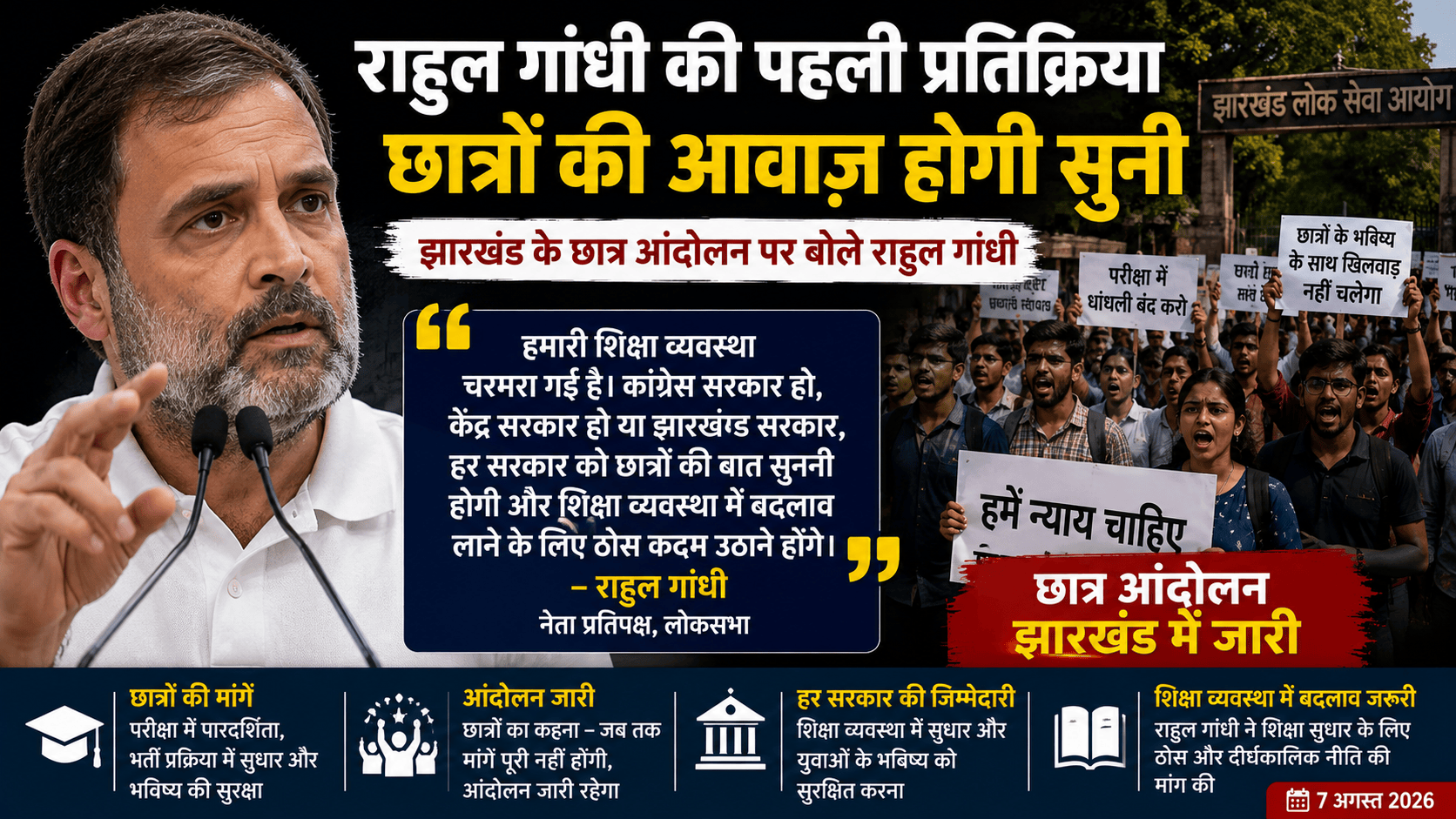
Rahul Gandhi Reacts to Student Protests in Jharkhand, Says Education System Is “in Shambles”
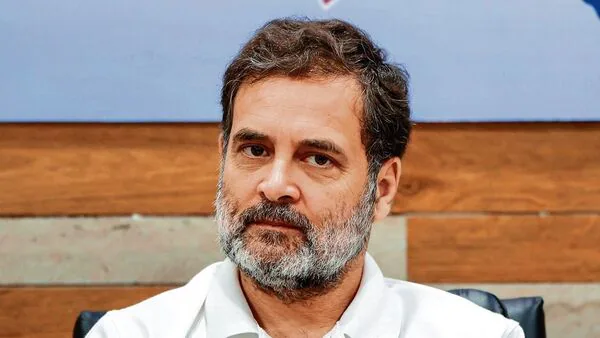
Congress leader and Leader of the Opposition in the Lok Sabha Rahul Gandhi has reacted for the first time to the student protests in Jharkhand, calling for governments at every level to listen to students and take concrete steps to transform the country’s education system.
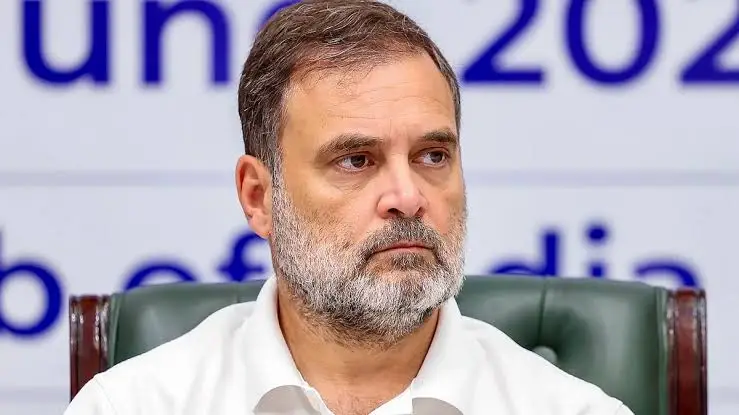
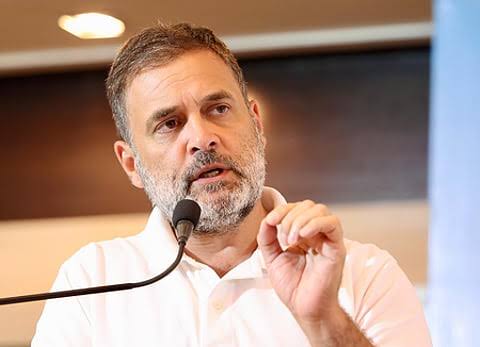
Responding to the ongoing concerns raised by students, Rahul Gandhi said that the education system was “in shambles” and stressed that students must be heard by political leadership. His remarks come amid growing attention around the student protests in Jharkhand, with education, examinations and the future prospects of young people emerging as important political issues.
Rahul Gandhi’s statement has given a national political dimension to the student protests in Jharkhand. His message did not limit responsibility to one particular government. Instead, he said that every government, including Congress governments, the central government and the Jharkhand government, must listen to students and work toward transforming the education system.
Rahul Gandhi’s First Response
The student protests in Jharkhand have been attracting attention because of concerns raised by students regarding the education system and issues affecting their academic and career prospects. Rahul Gandhi’s intervention marks a significant political response to the developments.
In his statement, Rahul Gandhi said that the education system needed fundamental improvement. He argued that students should not simply be treated as recipients of government policies but should have their concerns heard while decisions affecting their education and future are being made.
The comments on the student protests in Jharkhand also reflect Rahul Gandhi’s broader emphasis on education and employment as important issues for India’s youth.
“Education System Is in Shambles”
The most notable part of Rahul Gandhi’s statement was his assessment that the country’s education system is “in shambles.” His remarks suggest that the problems being raised by students should be viewed as part of a larger national challenge rather than as an isolated political dispute.
The student protests in Jharkhand have therefore brought attention to questions about how governments respond to student grievances and whether existing educational systems are adequately meeting the expectations of young people.
Rahul Gandhi said that every government has a responsibility to address these concerns. Importantly, he included Congress governments in his statement, indicating that he was not presenting the issue solely as criticism of the current administration.
Responsibility of Every Government
Rahul Gandhi’s comments on the student protests in Jharkhand placed responsibility across different levels of government. According to his statement, Congress governments, the central government and the Jharkhand government must all listen to students.
This approach frames education as a long-term national issue rather than a matter that belongs to one political party. Education policies, examination systems, recruitment processes and opportunities for higher education can affect students regardless of which political party is in power.
The student protests in Jharkhand have consequently become part of a wider discussion about the responsibility of governments toward India’s younger population.
Why Student Voices Matter
Students are an important part of India’s population and represent the country’s future workforce, professionals, researchers, entrepreneurs and public leaders. Their concerns about education and employment can therefore have long-term consequences for the country’s development.
The student protests in Jharkhand have highlighted the importance of creating channels through which students can communicate their grievances to authorities.
Listening to students does not necessarily mean accepting every demand. It means creating a system in which concerns can be examined, genuine grievances can be addressed and decisions can be communicated clearly.
Rahul Gandhi’s statement emphasizes this principle by calling on governments to listen to students and take action.
Education and Employment Connection
The debate surrounding the student protests in Jharkhand is also connected with the wider question of employment. For many young people, education is directly linked to their hopes of securing stable employment and building a successful career.
Problems related to examinations, recruitment, delays, vacancies, educational quality and skill development can therefore create significant anxiety among students.
Rahul Gandhi’s demand for transformation of the education system places these concerns within a broader policy framework. The objective, according to his message, should be to create an education system capable of preparing students for the future.
The student protests in Jharkhand have consequently drawn attention not only to immediate grievances but also to the larger question of how India can improve opportunities for its youth.
Political Significance
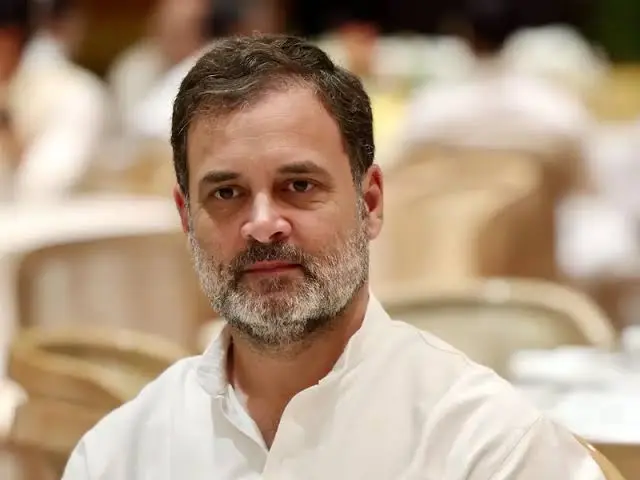
Rahul Gandhi’s response gives the student protests in Jharkhand greater political visibility. As Leader of the Opposition, his comments are likely to be closely watched by political parties and student organisations.
The statement also provides the Congress with an opportunity to discuss education policy and youth concerns. However, Rahul Gandhi’s inclusion of Congress governments in his criticism makes the message broader than a conventional attack on the ruling establishment.
By saying that every government must listen to students, he presented education reform as a collective responsibility.
The student protests in Jharkhand could therefore become part of a larger political debate about the country’s education policies and the expectations of young Indians.
Jharkhand and the National Debate
Jharkhand’s student concerns have significance beyond the state because education and employment issues are common across India. Students in different states frequently raise questions about examination schedules, recruitment procedures, educational infrastructure and access to opportunities.
The student protests in Jharkhand have once again brought these subjects into the national spotlight.
The political response will likely depend on how authorities engage with students and whether their concerns receive concrete consideration. Dialogue between students and governments can help prevent misunderstandings and provide a path toward resolving disputes.
Need for Education Reform
The statement about the education system being “in shambles” points toward a larger need for reform. India’s education system has undergone significant changes in recent years, but challenges remain in areas such as access, quality, affordability, skill development and employment-oriented education.
The student protests in Jharkhand have provided another opportunity to examine these challenges.
Education reform cannot be limited to changes in textbooks or curricula. It also involves improving institutions, strengthening examination systems, expanding opportunities and ensuring that students receive the skills required for a changing economy.
Rahul Gandhi’s call for transformation therefore raises questions about what kind of education system India needs for the next generation.
What Happens Next?
The future course of the student protests in Jharkhand will depend on discussions between students, authorities and political representatives. Whether the concerns raised by students lead to policy changes or administrative action remains to be seen.
Rahul Gandhi’s intervention could increase political attention on the issue. Other political parties may also respond, while student organisations could continue pressing for their demands.
For the government, the challenge will be to ensure that student grievances are addressed through dialogue and appropriate administrative measures.
The student protests in Jharkhand have demonstrated that education remains a politically sensitive issue, particularly when young people’s academic and career prospects are involved.
Conclusion
Rahul Gandhi’s first response to the student protests in Jharkhand has placed education reform and student voices at the centre of a wider political discussion. His statement that the education system is “in shambles” reflects his concern that governments must do more to address the problems facing students.
At the same time, Rahul Gandhi’s decision to include Congress governments, the central government and the Jharkhand government in his appeal presents education as a shared responsibility.
The student protests in Jharkhand have thus evolved into a broader debate about education, employment and youth aspirations. The central question now is whether governments can respond to student concerns through meaningful dialogue and concrete action.
For students, the demand is ultimately about their future. For political leaders, the issue presents an opportunity to demonstrate whether they are prepared to listen and respond.
As the debate continues, the student protests in Jharkhand are likely to remain an important political and social issue. Rahul Gandhi’s statement has ensured that the concerns raised by students receive greater national attention, while his call for education-system transformation has opened a wider conversation about India’s approach to education and the aspirations of its young population.
Read more latest news

