
Stand With BCCI, Active Indian Cricketers Shouldn’t Be Allowed In Foreign Leagues: Dinesh Karthik
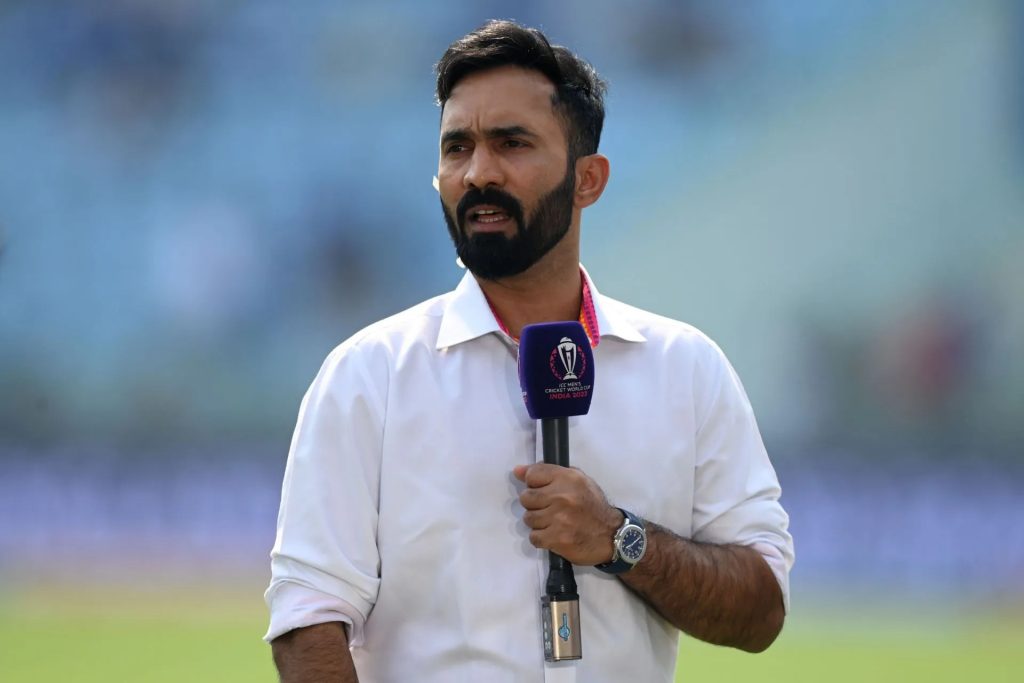
In the fast-evolving world of cricket, the debate surrounding the participation of active Indian cricketers in foreign leagues has gained significant momentum in recent years. Dinesh Karthik, the renowned Indian cricketer, has recently made headlines by voicing his opinion on this matter, urging that active Indian cricketers should not be allowed to play in foreign leagues. His strong stance calls for support of the Board of Control for Cricket in India (BCCI) and the preservation of the integrity of Indian cricket by restricting players from taking part in foreign tournaments. Karthik’s statements have sparked discussions among fans, players, and cricket experts alike, with opinions divided on the issue.
This blog delves into Dinesh Karthik’s reasoning behind his comments, explores the potential implications of such a policy on the players and the sport, and analyzes the broader context of the relationship between Indian cricketers and foreign leagues. We will also take a closer look at the role of the BCCI, the Indian Premier League (IPL), and the overall development of cricket in India.
Dinesh Karthik’s Stand on Indian Cricketers Playing in Foreign Leagues
Dinesh Karthik, an experienced wicketkeeper-batsman, has been a prominent figure in Indian cricket for over a decade. Having represented India in all formats of the game, Karthik has seen the sport evolve both on and off the field. His recent comments regarding active Indian cricketers participating in foreign leagues have sparked a wave of controversy and debate.
Karthik has expressed that he stands firmly with the BCCI’s policy of not allowing active Indian cricketers to feature in foreign leagues. According to him, this stance is crucial to protect the interests of Indian cricket, maintain the authority of the BCCI, and ensure that Indian cricketers remain fully committed to their national duties. He has also suggested that players who are actively involved in international cricket should not divide their attention by participating in foreign leagues.
Karthik’s comments come at a time when the influence of foreign leagues, particularly the T20 leagues like the Big Bash League (BBL) in Australia, the Caribbean Premier League (CPL), and the Pakistan Super League (PSL), has been on the rise. With lucrative contracts being offered to players, the temptation to participate in these leagues has become greater. In light of this, Karthik’s remarks can be seen as a call for prioritizing the interests of Indian cricket over personal financial gain or the allure of foreign leagues.

The Role of the BCCI in Indian Cricket
The Board of Control for Cricket in India (BCCI) is one of the most powerful governing bodies in the world of cricket. Over the years, it has played a pivotal role in shaping the landscape of the sport in India. From organizing the Indian Premier League (IPL) to overseeing the selection of the national team and managing the finances of Indian cricket, the BCCI’s influence is unparalleled.
Karthik’s statement is an endorsement of the BCCI’s authority and policies, which are designed to protect the interests of Indian cricket and ensure that players remain fully committed to representing their country. The BCCI has consistently taken a firm stance against allowing active Indian cricketers to play in foreign leagues, citing concerns over workload management, potential injuries, and the risk of players losing focus on their primary responsibility of playing for India.
The IPL, which is one of the most successful and profitable cricket leagues globally, has been instrumental in providing Indian cricketers with opportunities to showcase their skills, earn lucrative contracts, and gain exposure to international players. The BCCI’s focus on the IPL has allowed Indian players to compete at the highest level without having to compromise their commitment to the national team.
By restricting players from participating in foreign leagues, the BCCI ensures that Indian cricketers are available for international duty, which ultimately benefits the national team. Additionally, the BCCI has always emphasized the importance of player welfare, ensuring that players’ schedules are not overloaded with commitments to multiple leagues and tournaments.
The Growing Popularity of Foreign Leagues
In recent years, foreign T20 leagues have gained significant popularity, attracting some of the best cricketing talent from around the world. These leagues, including the Big Bash League (BBL), Pakistan Super League (PSL), and Caribbean Premier League (CPL), offer players the opportunity to compete in high-stakes, short-format games with large cash rewards.
For Indian cricketers, the opportunity to participate in these leagues is particularly attractive. These leagues offer players substantial financial incentives, often higher than what they receive from the IPL or national contracts. Players are enticed by the opportunity to earn additional income, further their international exposure, and play alongside some of the best players in the world.
Moreover, the growing popularity of these leagues has also raised the profile of the players involved. For Indian cricketers, participating in foreign leagues offers a chance to expand their brand and fan base beyond India. With social media platforms and digital broadcasts reaching a global audience, players have the chance to build a larger, international following.
However, Karthik’s concerns regarding the participation of active Indian cricketers in these leagues are rooted in the potential risks associated with overcommitting to such events. He argues that playing in foreign leagues could lead to burnout, injuries, and distractions that may affect the player’s performance when representing India.
The IPL as a Compromise: A Platform for Indian Cricketers
The Indian Premier League (IPL) has revolutionized the way cricket is played and viewed globally. The IPL, which began in 2008, has become a massive commercial success, attracting top players from around the world and contributing to the growth of Indian cricket. The BCCI, through the IPL, has provided Indian cricketers with a platform to play alongside international stars and hone their skills in the shortest format of the game.
Karthik’s statement can be seen as an endorsement of the IPL as a suitable alternative to foreign leagues. The IPL allows Indian cricketers to showcase their talent and compete against the best in the world without having to leave the country or divert their focus from international commitments. The BCCI’s strict policies on participation in foreign leagues can be viewed as a means of ensuring that Indian players remain loyal to the IPL and continue to play for their home country.
The IPL also offers substantial financial rewards, with players earning lucrative contracts from franchises. Given the IPL’s success and profitability, Indian cricketers are afforded a significant opportunity to earn income, gain fame, and grow their brand without having to participate in foreign leagues. By maintaining the IPL as the primary T20 tournament for Indian players, the BCCI can ensure that players remain focused on representing India while still benefiting from the financial rewards that come with playing in a top-tier competition.
The Dangers of Competing in Foreign Leagues
While the allure of foreign leagues is undeniable, there are several potential risks associated with Indian cricketers participating in these events. Karthik has highlighted some of these risks in his comments, and they are worth considering when evaluating the impact of foreign leagues on Indian cricket.
1. Increased Risk of Injury:
One of the major concerns with participating in foreign leagues is the risk of injury. Playing in multiple leagues throughout the year, especially with tight schedules, increases the chances of players suffering from fatigue or injuries. In a high-intensity format like T20 cricket, players are often required to push their physical limits, which can lead to burnout or long-term injuries.
2. Distraction from National Duties:
Indian cricketers have a primary responsibility to represent their country on the international stage. Participating in foreign leagues may divert their focus and energy away from national duties, affecting their performance in international matches. Karthik’s argument centers on the idea that players should prioritize playing for India over participating in lucrative but non-essential leagues.
3. Scheduling Conflicts:
The schedules of foreign leagues often overlap with international series and tournaments. This creates a situation where players may have to choose between playing for their country and participating in a foreign league. This can lead to conflicts of interest, with players potentially choosing short-term financial gains over long-term commitments to their national team.
4. Emotional and Mental Strain:
The pressure of balancing commitments to multiple leagues, especially during peak cricketing seasons, can take a toll on players’ emotional and mental well-being. This can affect their focus and performance, both on and off the field. Karthik’s stance underscores the importance of mental and emotional health, which can be compromised by the stress of managing multiple cricketing commitments.
The Impact on Indian Cricket’s Legacy
Indian cricket has a rich and storied legacy, with a history of producing world-class cricketers who have dominated the international stage. Karthik’s comments reflect a desire to protect this legacy by ensuring that Indian players are not distracted or enticed by external leagues that may dilute their commitment to the national team.
By preventing active Indian cricketers from participating in foreign leagues, the BCCI is taking steps to maintain the integrity of Indian cricket. The focus remains on building a strong, cohesive team that is committed to representing India on the global stage. This decision also ensures that the interests of Indian cricket take precedence over personal financial gain or individual fame.
Furthermore, the BCCI’s policies help preserve the value of the IPL, India’s home-grown T20 competition, which has become a central part of the country’s cricketing culture. By keeping Indian players focused on the IPL and international cricket, the BCCI is reinforcing the idea that Indian cricket should remain the primary focus for its top players.
Conclusion: A Delicate Balance Between Personal Ambitions and National Commitment
Dinesh Karthik’s call to stand with the BCCI’s decision to restrict active Indian cricketers from participating in foreign leagues is a reflection of his deep commitment to the future of Indian cricket. While foreign leagues undoubtedly offer financial incentives and opportunities for players to showcase their talent, Karthik believes that the risks associated with participating in these leagues outweigh the rewards, especially when it comes to the larger picture of national cricket.
The BCCI’s policies aim to protect the interests of Indian cricket, ensuring that players remain fully committed to their national duties while still benefiting from the opportunities provided by the IPL. By maintaining a strict stance on foreign leagues, the BCCI can ensure that the focus remains on building a strong, successful Indian cricket team that continues to dominate the global stage.
In the end, the debate surrounding Indian cricketers’ participation in foreign leagues boils down to a question of balance. While players have the right to explore lucrative opportunities, they must also recognize their responsibility to their country and the long-term legacy of Indian cricket. The solution lies in maintaining a balance between personal ambition and national commitment, ensuring that Indian cricket continues to thrive both at home and on the world stage.
read more latest cricket news