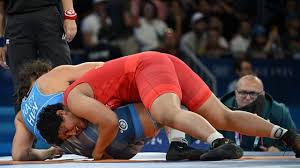
In a landmark development that has sent waves of optimism through the Indian wrestling community, the Ministry of Youth Affairs and Sports (MYAS) has decided to lift the suspension imposed on the Wrestling Federation of India (WFI). This announcement comes after months of turmoil, disputes, and challenges that have rocked the reputation of Indian wrestling, one of the country’s most beloved sports.
For years, wrestling has been a pillar of Indian sports, with a rich history of success in both domestic and international competitions. Indian wrestlers have made their mark at prestigious global events, including the Olympics, World Wrestling Championships, and Asian Games. However, despite its success, wrestling in India has been plagued by internal governance issues and controversies that have hindered the growth and potential of the sport.
In this blog, we will delve deep into the events leading up to the suspension of the Wrestling Federation of India, the reasons behind the government’s decision to lift the suspension, and what this means for the future of Indian wrestling. We will also explore the broader implications of this move on the relationship between sports federations, athletes, and the government Sports.
The Background: Wrestling Federation of India (WFI) and Its Suspension
The Wrestling Federation of India (WFI) has been the governing body for the sport of wrestling in India, responsible for organizing national championships, selection of athletes for international competitions, and fostering grassroots development. The Federation has had a prominent role in shaping India’s wrestling landscape and has contributed immensely to producing world-class wrestlers Sports.
However, despite its accomplishments, the WFI faced numerous allegations of mismanagement, corruption, and poor governance. These issues came to a head in 2023, leading to a series of protests by prominent Indian wrestlers, including Olympic medalists like Vinesh Phogat, Bajrang Punia, and Sakshi Malik. The wrestlers, who had represented India on the global stage, took to the streets demanding reforms within the federation, including the resignation of WFI President Brij Bhushan Sharan Singh Sports.

The wrestlers’ protests were fueled by accusations of sexual harassment, lack of transparency in selection processes, and poor treatment of athletes. As tensions escalated, the Indian government, through the Ministry of Youth Affairs and Sports, decided to intervene and suspend the WFI. The suspension was intended to bring about reforms within the Federation, hold accountable those responsible for the alleged misconduct, and ensure the fair treatment of athletes Sports.
The Suspension: Impact on Indian Wrestling
The suspension of the WFI was a major blow to Indian wrestling. The immediate consequences were far-reaching, affecting both the administrative structure and the athletes’ careers. National-level events were put on hold, and the selection process for international competitions became uncertain. This resulted in a sense of uncertainty among the wrestlers, who were already under immense pressure to perform on the global stage Sports.
Athletes who had been preparing for crucial events, including the 2024 Paris Olympics, found themselves in a state of limbo. The suspension affected the selection of coaches, the identification of young talent, and the development of future stars of Indian wrestling. While some state-level federations continued to organize competitions, the lack of a unified governing body meant that the sport was in a state of disarray Sports.
Moreover, the suspension also cast a shadow over the achievements of Indian wrestlers, many of whom had made history in recent years. Wrestlers like Vinesh Phogat, Bajrang Punia, and Ravi Dahiya had not only brought glory to the nation but had also become symbols of India’s wrestling legacy. The suspension was a painful reminder that even success could not shield the sport from the politics and mismanagement that plagued its administration Sports.
The Role of the Government: Why the Suspension Was Lifted
In light of the suspension, the Indian government took several steps to address the issues within the Wrestling Federation of India. The intervention of the Ministry of Youth Affairs and Sports, headed by Minister Anurag Thakur, was pivotal in bringing the matter to the forefront. The protests by top wrestlers had garnered significant media attention, making it impossible for the government to ignore the issue any longer.
After careful deliberations and discussions with the wrestlers and other stakeholders, the Ministry of Youth Affairs and Sports decided to cancel the suspension of the WFI. The decision to lift the suspension was based on several key factors, which we will explore below:
1. Addressing the Concerns of Wrestlers
One of the primary reasons for lifting the suspension was the government’s commitment to addressing the grievances of the protesting wrestlers. Over the course of their protests, the wrestlers had voiced concerns about corruption, poor governance, and mistreatment within the WFI. They demanded that the Federation adopt a transparent selection process and that the leadership be held accountable for any misconduct.
The Ministry of Youth Affairs and Sports engaged with the wrestlers, listened to their concerns, and assured them that reforms would be implemented. The government recognized the importance of ensuring that athletes’ voices were heard and that their well-being was safeguarded. By lifting the suspension, the Ministry aimed to signal its commitment to improving the environment for wrestlers and ensuring that their grievances were addressed in a meaningful manner.
2. Establishing a New Leadership Framework
The suspension of the WFI had created a power vacuum that needed to be addressed. One of the key reasons for the unrest within the Federation was the leadership of Brij Bhushan Sharan Singh, whose tenure had been marked by controversy. The wrestlers had demanded his resignation, accusing him of mismanagement and corruption. In response to these concerns, the Ministry of Youth Affairs and Sports took steps to establish a new leadership framework for the WFI.
This included the formation of an oversight committee to ensure that the elections for new leadership were conducted fairly and transparently. The government emphasized the need for a more democratic and accountable system within the WFI, one that would be more responsive to the needs of athletes and more effective in promoting the sport.
3. Ensuring the Continuity of Indian Wrestling’s Growth
Indian wrestling had made significant strides in recent years, with a growing number of athletes making their mark on the global stage. Wrestlers like Vinesh Phogat, Bajrang Punia, and Ravi Dahiya had won medals at the Olympics, World Championships, and other international competitions, raising the profile of Indian wrestling. The suspension of the WFI had threatened to derail this momentum, leaving the athletes in limbo.
By lifting the suspension, the government aimed to restore stability and ensure that the sport’s growth continued unabated. This was particularly crucial in the lead-up to the 2024 Paris Olympics, where Indian wrestlers were expected to perform at their best. The government recognized the importance of providing the athletes with the necessary support, resources, and infrastructure to succeed on the global stage.
4. Balancing Accountability and Reform
While lifting the suspension, the government also made it clear that accountability would be central to the future of Indian wrestling. The reforms proposed by the Ministry of Youth Affairs and Sports included greater transparency in the selection process, stricter oversight of financial transactions, and a more inclusive approach to decision-making within the WFI.
The focus on reform was critical to ensuring that the lessons learned from the suspension were not forgotten. The government made it clear that it would closely monitor the activities of the WFI to ensure that the mistakes of the past were not repeated. This commitment to reform was seen as a positive step toward rebuilding the trust of wrestlers and the wider wrestling community.
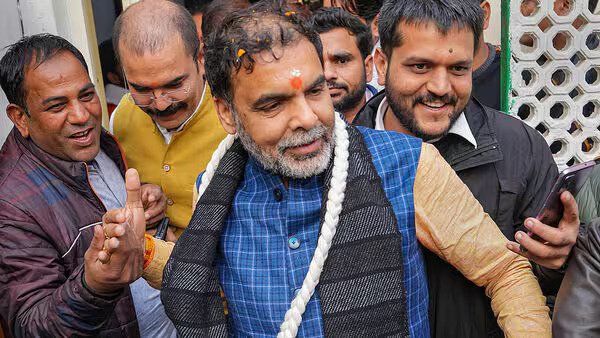
Implications for Indian Wrestling: What Does the Future Hold?
The decision to cancel the suspension of the Wrestling Federation of India and implement reforms signals a new chapter for Indian wrestling. The immediate implications are clear—Indian wrestlers will once again have the opportunity to compete under a unified governing body, with better structures in place to support their careers.
However, the long-term success of these reforms will depend on their effective implementation. The WFI will need to ensure that the leadership changes and governance reforms lead to tangible improvements in the sport. This includes creating a transparent and merit-based selection process, improving facilities and infrastructure for wrestlers, and ensuring that athletes are treated with respect and dignity.
Additionally, the government must continue to engage with the wrestling community to ensure that their voices are heard and that the reforms are meeting the needs of the athletes. Only by maintaining an open dialogue with wrestlers, coaches, and other stakeholders can the government and the WFI work together to build a brighter future for Indian wrestling.
Conclusion: A Step in the Right Direction
The decision by the Ministry of Youth Affairs and Sports to lift the suspension of the Wrestling Federation of India is a significant step toward reconciliation and growth. It is a positive move that addresses the concerns of wrestlers, acknowledges the need for reform, and signals the government’s commitment to supporting the sport.
While challenges remain, the lifting of the suspension offers a glimmer of hope for the future of Indian wrestling. If the reforms are successfully implemented, Indian wrestling could continue to thrive and produce more world-class athletes who will bring glory to the nation on the global stage. The government, the WFI, and the wrestlers must work together to ensure that this new chapter is one of progress, accountability, and success.
In the end, the ultimate goal is to create an environment where Indian wrestlers can excel, achieve their dreams, and continue to make the nation proud. The lifting of the suspension is just the beginning of this journey, and the wrestling community must now come together to turn this moment into lasting success.
read more latest news