

The Role of Intelligence and Surveillance in the Investigation
One of the key elements driving the efficiency of the SIT is its integration with the Intelligence Branch and the Cyber Crime Cell. Given that a significant portion of the unrest was coordinated through social media platforms, the inclusion of cyber specialists is a crucial aspect of the probe. Authorities are examining WhatsApp groups, Facebook posts, and Telegram channels that allegedly contributed to inciting the violence.
The SIT has also requested mobile tower dump data from telecom providers in the affected zones to trace the movement and communication patterns of individuals involved. This analytical approach ensures that arrests are based on concrete digital evidence, rather than assumptions. Investigators have also deployed drone footage and CCTV recordings from both public and private properties to reconstruct the events in real time.
Challenges Faced by the SIT
Despite the team’s expertise, the investigation faces numerous hurdles. The most pressing is the lack of witness cooperation. Many residents fear reprisal attacks or legal complications, making them reluctant to speak out. To address this, the state has announced that witnesses will receive protection under the Witness Protection Scheme.
Another challenge is the vastness of the district. Murshidabad is a sprawling area with both urban and remote rural settlements. Collecting forensic evidence, interviewing witnesses, and performing ground-level verification require immense coordination and manpower. Additionally, the suspension of internet services—while necessary for curbing fake news—has also hindered communication between various administrative departments during the early phases of the investigation.
Preliminary Findings and Arrests
As of the latest SIT reports, over 35 individuals have been arrested in connection to arson, violence, and criminal conspiracy. Preliminary findings suggest that while the protests were initially spontaneous, certain groups used the chaos as an opportunity to further their agenda—spreading panic and targeting public infrastructure.
The SIT has also revealed that some of the attackers came from neighboring districts and even across state borders, indicating a possible pre-planned assault. Investigators are now exploring links to radical organizations and external funding sources, with assistance from central intelligence agencies.
Media Coverage and Public Opinion
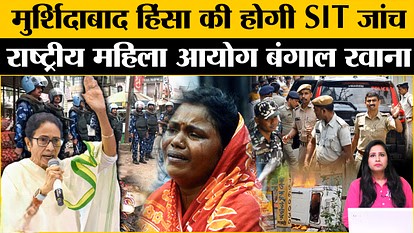
The incident has become a focal point in national and regional media. Television debates and online platforms are divided in their opinions—some blaming the central government’s legislative approach, others pointing fingers at the state government’s failure to anticipate the fallout. The SIT’s impartiality and efficiency are thus not only crucial for legal reasons but also for shaping public trust in the administration.
News coverage has also spotlighted stories of resilience. One schoolteacher reportedly shielded 30 children inside a classroom while mobs rampaged outside. Local NGOs and volunteer groups have provided food and shelter to displaced families, with many citizens stepping up to offer relief despite the risks.
Restoring Peace and Rebuilding Trust
Beyond the investigation, the government has a long road ahead to rebuild public trust. Community outreach programs, police-public dialogue meetings, and religious harmony campaigns are being launched across Murshidabad. Authorities have resumed educational and commercial activities gradually while ensuring adequate security deployment in sensitive areas.
The state has also announced financial compensation for victims’ families and promised reconstruction support for damaged properties. Special counseling sessions are being arranged for affected children, particularly those who witnessed violence or lost family members during the clashes.
Judicial Oversight and Accountability
Several human rights organizations have called for judicial oversight of the SIT’s findings to ensure transparency and fairness. Legal petitions have also been filed in the Calcutta High Court, demanding an independent monitoring panel to review the investigation’s progress. Some political parties have expressed concerns that the SIT might be pressured to shield influential individuals or manipulate outcomes.
In response, the state government has emphasized that the SIT functions with full autonomy and will present all findings to the judiciary. The Chief Minister has vowed that “no stone will be left unturned” in delivering justice to the victims, regardless of political affiliations.
The Broader Implications for West Bengal and India
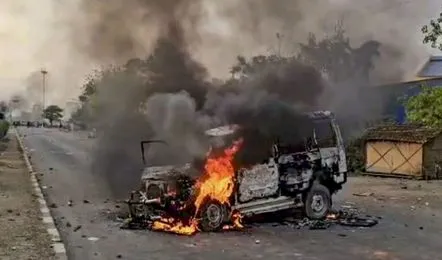
The Murshidabad violence and its subsequent probe have far-reaching implications. For West Bengal, the incident serves as a test of its administrative resolve in handling communal sensitivities and law enforcement challenges. For India at large, it raises important questions about federalism, freedom of protest, and the role of investigative agencies in politically volatile situations.
If the SIT succeeds in conducting a transparent and effective investigation, it could serve as a model for other states facing similar crises. Conversely, any signs of bias or inefficiency could further erode public faith in institutional mechanisms and deepen societal divisions.
read more latest news

