
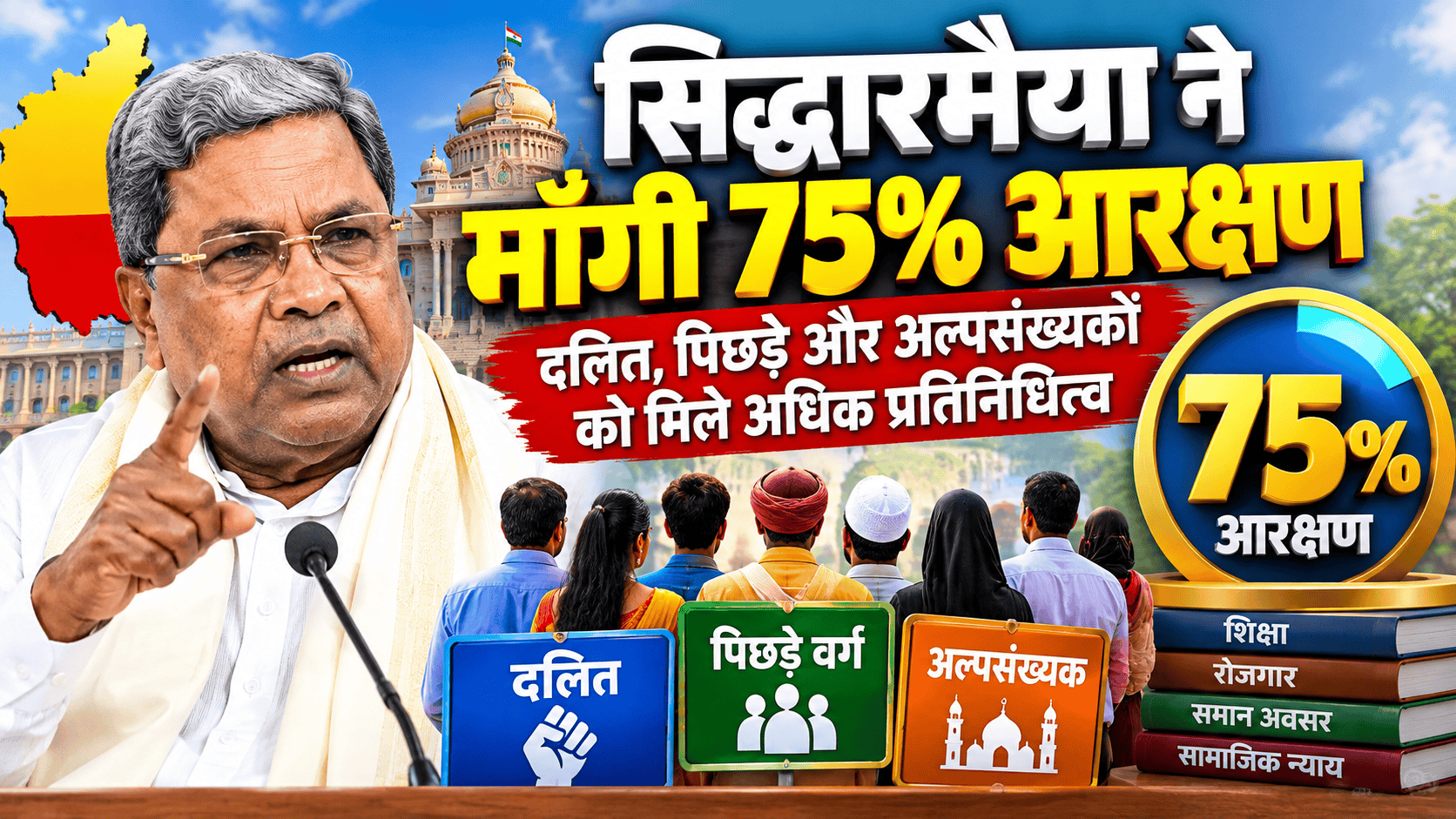
Siddaramaiah Has Demanded 75% Reservation: A Fresh Push for Social Justice in Karnataka
Siddaramaiah Has Demanded 75% Reservation: A Fresh Push for Social Justice in Karnataka, Former Karnataka Chief Minister Siddaramaiah has once again brought the issue of reservation and social justice into the national political conversation. Siddaramaiah has demanded that reservation should be increased to at least 75 percent if the objective is to ensure genuine social justice for all sections of society.
According to Siddaramaiah, Dalits, backward communities and minorities should all receive adequate representation through a stronger reservation framework. His statement has the potential to intensify the ongoing debate over affirmative action, equality, representation and the constitutional limits surrounding reservation in India.
Siddaramaiah Has Demanded 75 Percent Reservation
The central point of the statement is that Siddaramaiah has demanded a reservation level of at least 75 percent. He argued that social justice cannot be fully achieved unless historically disadvantaged and underrepresented communities receive greater opportunities in education, employment and other areas.
The demand comes against the backdrop of a long-running debate in India over whether the existing reservation structure is sufficient to address social and economic inequalities. Supporters of expanding reservations argue that several communities continue to face structural disadvantages and therefore require greater representation.
At the same time, opponents of substantially increasing reservation have raised questions about merit, constitutional provisions and the practical implementation of such a policy.
Why the Reservation Debate Matters
Reservation has remained one of the most important social and political issues in India since independence. The policy was introduced primarily to improve representation and opportunities for communities that had historically faced discrimination and exclusion.
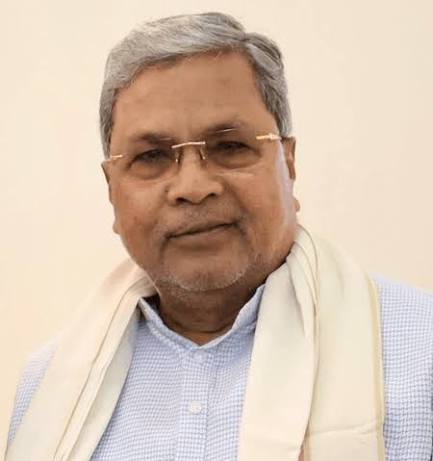
Siddaramaiah has demanded that the reservation framework should go further so that disadvantaged groups can receive a larger share of opportunities.
The argument for increased reservation is based on representation. Supporters say that government institutions, educational establishments and employment opportunities should reflect India’s social diversity.
The debate, however, is complicated by constitutional and legal considerations. Reservation policies have traditionally been subject to judicial scrutiny, and changes to existing limits can involve significant constitutional questions.
Dalits and Backward Communities at the Centre
A major part of the argument is focused on Dalits and backward communities. These groups have historically been among the principal beneficiaries of affirmative-action policies.
Siddaramaiah has demanded that their representation should be strengthened. His argument reflects the view that reservation should not simply be considered a percentage-based policy but as an instrument for correcting historical inequalities.
For supporters, higher reservation could help more students enter professional courses, provide greater access to government employment and improve political and administrative representation.
However, policymakers would also need to consider how such an expansion could be implemented without creating new legal and administrative challenges.
Minorities and Social Representation
Siddaramaiah’s statement also includes minorities in the broader discussion. Siddaramaiah has demanded that minorities should also receive adequate opportunities as part of a wider social-justice framework.
The question of reservation for minority communities is particularly complex because India’s reservation system operates through different categories and legal frameworks across states and sectors.
Any proposal involving minorities would therefore require careful examination of constitutional provisions, social and educational backwardness criteria, and existing state policies.
Karnataka’s Political Context
Karnataka has frequently been at the centre of debates concerning caste-based representation and reservation. Different communities in the state have sought changes in reservation percentages and categorisation.
Against this background, Siddaramaiah has demanded a much broader reservation structure. His statement is likely to attract considerable political attention because reservation remains a major factor influencing electoral politics in Karnataka.
Political parties have historically used social-justice issues to build support among different communities. Consequently, discussions around reservation can have implications beyond government policy and become an important part of election strategies.
The Question of the 50 Percent Ceiling
One of the biggest questions surrounding any proposal for 75 percent reservation is the legal status of the commonly discussed 50 percent ceiling.
The Supreme Court has historically treated 50 percent as a general limit on reservations, although there have been exceptions and constitutional developments. Some states have implemented reservation levels above 50 percent through specific legal and constitutional arrangements.
Therefore, Siddaramaiah has demanded a policy that would represent a significant departure from the conventional reservation framework. Such a proposal would almost certainly generate debate among constitutional experts, political parties and social organisations.
The question is not simply whether reservation should be increased, but also how such an increase could satisfy constitutional requirements.
Reservation and Economic Opportunity
Supporters of reservation expansion believe that access to education and employment remains unequal across communities. They argue that government intervention is necessary to create a more level playing field.
Siddaramaiah has demanded greater reservation with the stated objective of ensuring social justice. The broader argument is that historical disadvantages can continue across generations, making targeted policies necessary.
Critics, however, argue that reservation alone cannot eliminate poverty or inequality. They believe governments should simultaneously invest in quality education, healthcare, skill development, infrastructure and employment creation.
A comprehensive social-justice strategy could therefore require both affirmative action and broader economic reforms.
Political Reactions Expected
The demand for 75 percent reservation is likely to trigger reactions from political parties across the spectrum. Supporters may describe the proposal as an effort to expand social justice, while critics could question its constitutional feasibility.
Siddaramaiah has demanded a substantial expansion of reservation, making the issue particularly significant in Karnataka’s political discourse.
The coming debate could focus on several questions: Which communities would qualify? How would quotas be distributed? Would existing categories be modified? How would the policy comply with court rulings? And would increased reservation actually improve socio-economic outcomes?

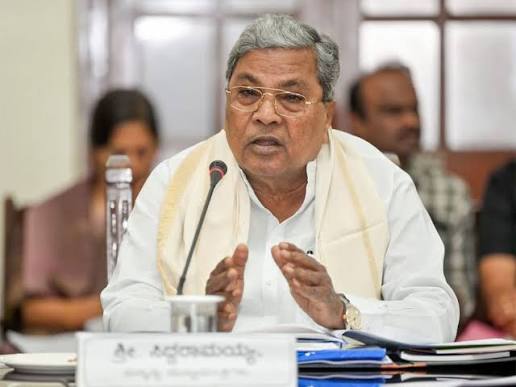
These questions will be central to any serious discussion about the proposal.
What Could Happen Next?
If the proposal gains political momentum, the Karnataka government or political parties could face pressure to conduct detailed studies of social and educational representation.
Siddaramaiah has demanded that the reservation system should reach 75 percent, but translating such a political demand into policy would require extensive legal, administrative and constitutional examination.
A caste or socio-economic survey could potentially provide policymakers with data about the representation and conditions of different communities. Such information could become important when designing future affirmative-action policies.
A Larger National Debate
The issue raised by Siddaramaiah has demanded a broader national conversation about what social justice should look like in modern India. Reservation is no longer limited to government jobs and educational institutions; it has become part of a much wider discussion about representation, opportunity and equality.
For supporters of expanded quotas, the demand represents an attempt to address continuing social disparities. For critics, it raises concerns about the balance between affirmative action, merit and constitutional limitations.
Ultimately, the debate will depend on evidence, constitutional principles and the government’s ability to design policies that provide meaningful opportunities without creating further social divisions.
Conclusion
The statement that Siddaramaiah has demanded at least 75 percent reservation has placed the question of affirmative action firmly back in the political spotlight. His call for greater representation for Dalits, backward communities and minorities reflects a broader argument that existing policies may not be enough to achieve comprehensive social justice.
At the same time, such a major expansion would raise significant constitutional, legal and administrative questions. The discussion will therefore extend beyond politics into the areas of law, economics, education and social policy.
As India continues to debate equality and representation, Siddaramaiah has demanded a reservation framework that he believes can better address historical and contemporary inequalities. Whether such a proposal can be translated into law remains a matter for constitutional processes, political consensus and judicial scrutiny.
Read more latest news

