
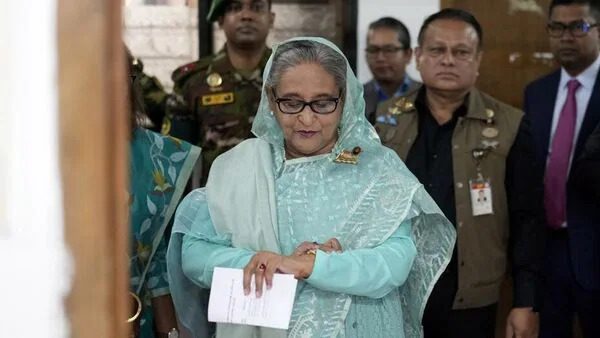
India has extended the visa of former Bangladeshi Prime Minister Sheikh Hasina, who has been residing in India since August 2024 after stepping down amid nationwide protests. This extension comes despite formal requests from Bangladesh’s interim government for her extradition to face charges, including crimes against humanity.
Background
Sheikh Hasina, aged 77, led Bangladesh for 15 years before resigning in August 2024 following widespread student-led protests against her administration. Facing allegations of human rights violations during her tenure, she sought refuge in India and has remained largely out of public view since her arrival.
Extradition Request
On December 23, 2024, Bangladesh’s interim government, led by Nobel laureate Muhammad Yunus, formally requested Hasina’s extradition through a diplomatic note to India’s Ministry of External Affairs. The request aims to bring Hasina back to Bangladesh to face judicial proceedings related to charges of genocide and crimes against humanity.
India’s Response
India has acknowledged the receipt of Bangladesh’s extradition request but has not provided a definitive response. The Indian government extended Hasina’s visa, facilitating her continued stay in the country. Officials have dismissed speculation about granting her asylum, noting that India lacks specific laws regarding refugees and asylum.
Legal Proceedings in Bangladesh
Bangladesh’s International Crimes Tribunal has issued arrest warrants for Hasina and several associates, accusing them of crimes against humanity during the protests. The tribunal has directed authorities to produce Hasina before the panel by February 12, 2025. Additionally, the Department of Immigration and Passports in Bangladesh has canceled the passports of 97 individuals, including Hasina, citing their alleged involvement in enforced disappearances and killings during the protests.
International Implications
The situation has strained diplomatic relations between India and Bangladesh, historically strong allies with deep cultural and economic ties. India’s decision to extend Hasina’s visa, despite extradition requests, has been met with criticism from some quarters in Bangladesh. Human rights organizations have urged both nations to ensure that any legal proceedings against Hasina adhere to international standards of justice and due process.
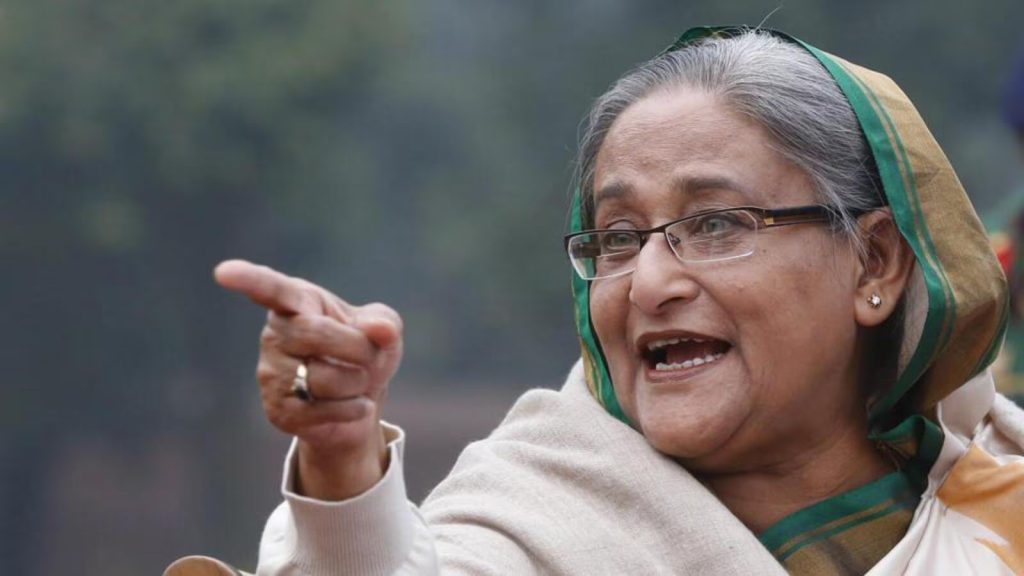
Sheikh Hasina, a two-time Prime Minister of Bangladesh and the leader of the Awami League, served in office for a significant part of the 21st century. Her tenure, beginning in 2009, saw Bangladesh achieve notable economic growth, infrastructure development, and a steady rise in global prominence. However, her administration faced consistent allegations of authoritarianism, human rights abuses, and political repression.
Key Issues Under Her Administration:
- Crackdown on Political Opposition: The Awami League government was accused of suppressing dissenting voices, particularly targeting the Bangladesh Nationalist Party (BNP) and other opposition groups.
- Allegations of Rigged Elections: Both the 2014 and 2018 elections were marred by allegations of voter suppression, violence, and fraud.
- Human Rights Violations: Hasina’s government faced severe criticism for enforced disappearances, extrajudicial killings, and the targeting of journalists and activists.
- Protests Leading to Resignation: Massive nationwide protests in mid-2024, triggered by inflation, corruption, and suppression of freedoms, ultimately led to her stepping down.
Current Developments
Sheikh Hasina Following her resignation, Sheikh Hasina sought refuge in India, citing threats to her life in Bangladesh. Her presence in India has ignited significant political and legal discourse in both countries.
India’s Role
India and Sheikh Hasina Bangladesh share a deep-rooted historical relationship, cemented during Bangladesh’s liberation war in 1971. New Delhi’s decision to extend Hasina’s visa is seen as a continuation of its policy of maintaining cordial relations with her Awami League, a party historically aligned with India.
- Visa Extension: India’s extension of Hasina’s visa allows her to remain in the country legally. While there has been no mention of granting political asylum, this move signals India’s reluctance to extradite her immediately.
- Strategic Concerns: Extraditing Hasina could impact India’s influence in Bangladesh, where China has made significant inroads. By keeping Hasina under its protection, India may seek to maintain leverage over Dhaka.
The Extradition Debate
Sheikh Hasina The Bangladeshi interim government, led by Muhammad Yunus, has intensified calls for Hasina’s extradition. They argue that she must face justice for the alleged atrocities committed during her tenure.
Legal Justifications for Extradition
- Arrest Warrants: The International Crimes Tribunal in Bangladesh (Sheikh Hasina) has issued multiple warrants for Hasina, accusing her of crimes against humanity.
- Canceled Passports: The Bangladeshi government has invalidated Hasina’s passport, effectively designating her a fugitive.
- International Precedents: Dhaka has referenced international precedents where political leaders, such as Augusto Pinochet and Charles Taylor, faced legal consequences for alleged human rights abuses (Sheikh Hasina).
Challenges in Extradition
- Lack of an Extradition Treaty: India and Bangladesh do not have a formal extradition treaty, complicating the legal process.
- Potential Political Fallout: Extraditing Hasina could lead to political instability in Bangladesh, given her significant support base and the potential for unrest among her followers.
Reactions
In Bangladesh
- Supporters of Sheikh Hasina: The Awami League and its allies have criticized the interim government’s extradition request, claiming it is politically motivated.
- Opposition Groups: Groups like the BNP have welcomed the move, urging India to cooperate.
In India
- Critics: Opposition parties in India, such as the Congress and CPI(M), have questioned the BJP government’s decision to extend Hasina’s visa, accusing it of interfering in Bangladesh’s internal affairs.
- Supporters: Advocates argue that Hasina’s presence in India aligns with India’s strategic interests.
International Community
Human rights organizations have emphasized the need for a transparent and fair trial should Hasina be extradited. They have also expressed concerns about political vendettas influencing judicial processes in Bangladesh.
Broader Implications
India-Bangladesh Relations
- Trust Deficit: The extradition row could strain ties between the two countries, particularly if India is seen as harboring a fugitive.
- Trade and Security Cooperation: Despite the ongoing tensions, both nations are likely to continue cooperating on trade and security issues, given their shared interests.
Regional Dynamics
- China’s Role: China’s growing presence in South Asia could influence how Dhaka and New Delhi navigate the situation.
- Geopolitical Balancing: India’s actions will be closely watched by other South Asian neighbors as a test of its regional leadership.
Global Precedents
Sheikh Hasina’s case highlights the challenges of balancing international diplomacy with the pursuit of justice for alleged human rights abuses. It raises questions about the accountability of former leaders and the role of neighboring countries in providing sanctuary.
Possible Scenarios
- India Cooperates with Bangladesh: This would likely lead to Hasina’s extradition but could destabilize India-Bangladesh relations.
- India Refuses Extradition: Hasina’s continued stay in India may strengthen opposition voices in Bangladesh and create long-term diplomatic challenges.
- A Mediated Outcome: International actors, such as the UN, may mediate to ensure a fair trial while safeguarding Hasina’s rights.
Conclusion
India’s decision to extend Sheikh Hasina visa amidst calls for her extradition is a complex issue with far-reaching implications. Balancing strategic interests, international norms, and human rights considerations will be critical as both nations navigate this sensitive matter.
Read more Latest News

