
Sail and muskan second demand
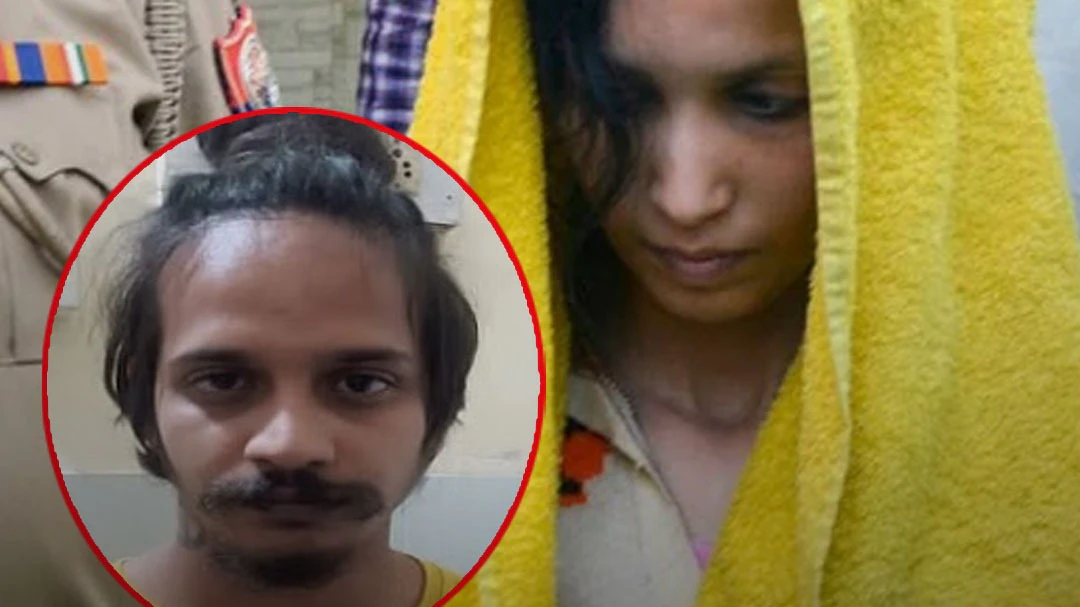
In the aftermath of the heinous murder of Saurabh Rajput, the accused, Muskaan Rastogi and her accomplice, Sahil Shukla, have been incarcerated at Chaudhary Charan Singh District Jail in Meerut. Their time in custody has been marked by a series of unusual demands, reflecting their struggle to adapt to the prison environment and the consequences of their actions.
In the aftermath of the heinous murder of Saurabh Rajput, the accused, Muskan Rastogi and Sahil Shukla, have exhibited a series of demands and behaviors that shed light on their psychological state and the complexities of their incarceration. Following their initial requests for drugs and cohabitation, which were denied, Muskan’s subsequent plea for legal assistance has been granted, marking a significant development in this ongoing case.
Upon their arrest and subsequent detention at Meerut District Jail, both Muskan and Sahil were placed in separate barracks approximately 1.5 kilometers apart. This separation adheres to standard prison protocols aimed at maintaining security and order within the facility. Almost immediately, both individuals began exhibiting severe withdrawal symptoms due to their prior drug addictions. Symptoms included restlessness, insomnia, and refusal to eat or drink, necessitating close medical supervision. A dedicated medical team was assigned to monitor their condition and provide necessary interventions to manage these symptoms.
Muskan’s Request for Legal Representation
Amidst their struggles with withdrawal, Muskan made a formal request for legal representation, expressing a desire to have a government-appointed defense counsel. She cited estrangement from her family as the primary reason for this request, stating that her family was upset with her and, consequently, unwilling to support her legal defense. This request was processed by the jail authorities and forwarded to the District Legal Authority, which subsequently appointed a government lawyer to represent her in the ongoing legal proceedings.
Sahil’s Decision to Decline Legal Assistance
In contrast to Muskan’s approach, Sahil declined the offer of a government-appointed lawyer. Reports indicate that he chose to represent himself or seek private counsel, although specifics regarding his legal strategy remain unclear. This decision highlights a divergence in their approaches to the impending legal battle and may reflect differing levels of trust in the judicial system or personal beliefs about their respective defenses.
Psychological Implications and Public Reaction
The behaviors and requests exhibited by Muskan and Sahil have sparked significant public interest and debate. Muskan’s request for legal representation, coupled with her acknowledgment of familial estrangement, has led to discussions about the psychological impact of her actions and the subsequent isolation she faces. Sahil’s refusal of legal assistance, on the other hand, raises questions about his perception of the legal process and his confidence in navigating it independently.
Furthermore, their severe withdrawal symptoms and the associated medical interventions have highlighted issues related to substance abuse and the challenges faced by correctional facilities in managing inmates with addiction histories. The public’s reaction has been one of outrage and condemnation, with many calling for stringent punishment and a thorough examination of the factors leading to such a gruesome crime.
Initial Requests and Rejections
Upon their admission to the jail, Muskaan and Sahil exhibited signs of severe drug withdrawal, leading them to make several requests to the jail authorities:
- Request for Drugs and Alcohol: Both inmates, accustomed to regular drug use, demanded access to narcotics and alcohol to alleviate their withdrawal symptoms. This request was promptly denied by the jail administration, as providing such substances is against prison regulations and the law.
- Request to Cohabit: Muskaan expressed a desire to be housed in the same barrack as Sahil. Prison officials rejected this plea, citing standard protocols that mandate the separation of male and female inmates to maintain order and security within the facility.
The Second Demand: Legal Assistance
Following the rejection of their initial requests, Muskaan and Sahil made a second significant demand: access to legal representation. Muskaan formally requested the appointment of a government lawyer to represent her in the ongoing legal proceedings. This request was acknowledged and processed by the jail authorities, who forwarded her petition to the District Legal Authority for consideration.
In contrast, Sahil declined the offer of legal assistance, choosing instead to represent himself or seek private counsel. This divergence in their approaches to legal defense highlights differing strategies and possibly varying levels of trust in the judicial system.
Coping with Withdrawal and Rehabilitation Efforts
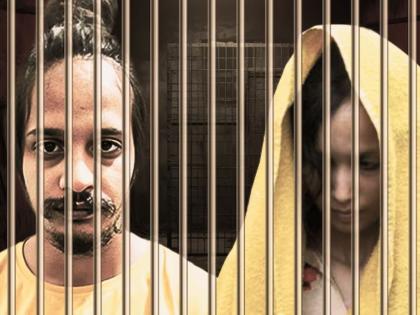
The jail administration has noted that both Muskaan and Sahil are experiencing acute withdrawal symptoms due to their prior substance abuse. Symptoms include restlessness, insomnia, and refusal to eat or drink. To address these issues, the following measures have been implemented:
- Medical Supervision: A dedicated medical team is closely monitoring their health, providing necessary medications to manage withdrawal symptoms and ensure their well-being.
- Rehabilitation Programs: Both inmates have been enrolled in rehabilitation initiatives within the prison, including yoga and pranayama sessions, aimed at aiding their recovery from addiction and promoting mental stability.
Background of the Crime
On March 4, 2025, Saurabh Rajput, a merchant navy officer, was allegedly drugged and stabbed to death by his wife, Muskan, and her lover, Sahil. The gruesome nature of the crime was further highlighted by their attempt to dispose of the body by dismembering it and sealing the parts inside a drum filled with cement. The couple then misled Rajput’s family by sending messages from his phone while vacationing in Himachal Pradesh. Their arrest on March 18 came after Rajput’s family reported him missing, leading to a police investigation that uncovered the horrifying truth.
Initial Incarceration and Withdrawal Symptoms
Upon their incarceration at Chaudhary Charan Singh District Jail in Meerut, both Muskan and Sahil exhibited severe withdrawal symptoms due to their prior substance abuse. Reports indicate that they were unable to sleep properly, refused food and drink, and displayed signs of extreme distress. Jail authorities confirmed that both had a history of drug use, which contributed to their restlessness and sleeplessness. Medical teams were assigned to monitor their condition and provide necessary interventions to manage these symptoms.
Series of Demands in Custody
While in custody, Muskan and Sahil made several notable demands:
- Access to Drugs and Alcohol: Both individuals requested narcotics and alcohol to alleviate their withdrawal symptoms. This request was promptly denied by jail authorities, as providing such substances is against prison regulations and the law.
- Cohabitation: Muskan expressed a desire to be housed in the same barrack as Sahil. Prison officials rejected this plea, citing standard protocols that mandate the separation of male and female inmates to maintain order and security within the facility.
- Legal Representation: Muskan formally requested the appointment of a government lawyer to represent her in the ongoing legal proceedings, stating that her family was upset with her and unwilling to support her legal defense. This request was acknowledged and processed by the jail authorities, who forwarded her petition to the District Legal Authority for consideration. In contrast, Sahil declined the offer of legal assistance, choosing instead to represent himself or seek private counsel.
Fulfillment of the Second Demand: Legal Assistance
The jail administration responded to Muskan’s request for legal representation by forwarding her petition to the District Legal Authority, which subsequently appointed a government lawyer to represent her in the ongoing legal proceedings. This development underscores the legal system’s commitment to ensuring that all individuals, regardless of their alleged crimes, have access to legal representation. Muskan’s acknowledgment of familial estrangement and her proactive approach to securing legal assistance highlight her awareness of the gravity of her situation and the necessity of mounting a defense.
Coping Mechanisms and Rehabilitation Efforts
In addition to addressing their legal needs, the jail administration has implemented measures to assist Muskan and Sahil in coping with their withdrawal symptoms and facilitating rehabilitation:
- Medical Supervision: A dedicated medical team is closely monitoring their health, providing necessary medications to manage withdrawal symptoms and ensure their well-being.
- Rehabilitation Programs: Both inmates have been enrolled in rehabilitation initiatives within the prison, including yoga and pranayama sessions, aimed at aiding their recovery from addiction and promoting mental stability.
Public Reaction and Societal Implications
The case has elicited strong reactions from the public and the families involved. Both families are united in their demand for capital punishment, hoping for swift and fair justice. The public’s reaction has been one of outrage and condemnation, with many calling for stringent punishment and a thorough examination of the factors leading to such a gruesome crime.
Conclusion
The incarceration of Muskaan Rastogi and Sahil Shukla has unveiled not only the depths of their criminal actions but also their profound dependency on illicit substances. Their series of demands within the prison system—from seeking drugs and cohabitation to requesting legal assistance—reflect their ongoing struggle to adapt to the realities of confinement and accountability. The jail authorities’ responses underscore a commitment to upholding legal standards while addressing the complex needs of inmates undergoing withdrawal and seeking rehabilitation.
The case of Muskan Rastogi and Sahil Shukla continues to unfold, revealing complex layers of psychological, legal, and societal implications. Muskan’s successful request for legal representation marks a pivotal point in her defense strategy, while Sahil’s decision to forgo such assistance adds an intriguing dimension to the case. As the legal proceedings progress, these developments will undoubtedly play a crucial role in determining the outcomes for both individuals involved in this tragic and shocking incident.
read more latest news

