
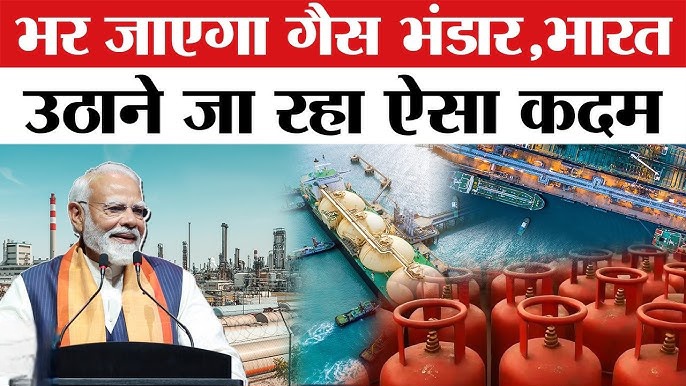
Russia Has Become India’s Support System Amid Middle East Crisis: A Strategic Lifeline in Turbulent Times
Introduction
The global energy landscape is witnessing one of its most turbulent phases in decades. The ongoing conflict in the Middle East, particularly the Iran-Israel war, has disrupted critical oil supply routes and triggered widespread uncertainty. At the center of this crisis lies the Strait of Hormuz, one of the world’s most vital oil transit chokepoints. For India, which depends heavily on imported crude oil, this disruption has translated into a serious energy challenge.
However, in the midst of this crisis, a new geopolitical and economic reality is emerging—Russia has become India support in ensuring energy security. As oil imports from the Middle East decline sharply, India has turned to Russia as a reliable alternative, reshaping its energy strategy in real time.
The Strait of Hormuz Crisis and Its Global Impact
The Strait of Hormuz connects the Persian Gulf to the Arabian Sea and is responsible for transporting a significant portion of the world’s oil supply. Any disruption here has immediate global consequences.
Recent developments have shown that the Iran-Israel conflict has significantly reduced oil shipments through this route. According to recent reports, India’s oil imports from the Middle East dropped by nearly 61%, highlighting the severity of the crisis.
For India, this is not just a geopolitical issue—it is an economic and strategic challenge. Nearly 40% of India’s crude oil imports pass through the Strait of Hormuz, making the country highly vulnerable to disruptions.
India Energy Dependency A Structural Weakness
India is the world’s third-largest oil importer and relies on imports for nearly 88% of its crude oil needs.
This heavy dependence makes India particularly sensitive to global supply shocks. The Middle East has traditionally been India’s primary supplier, with countries like Iraq, Saudi Arabia, and the UAE playing key roles.
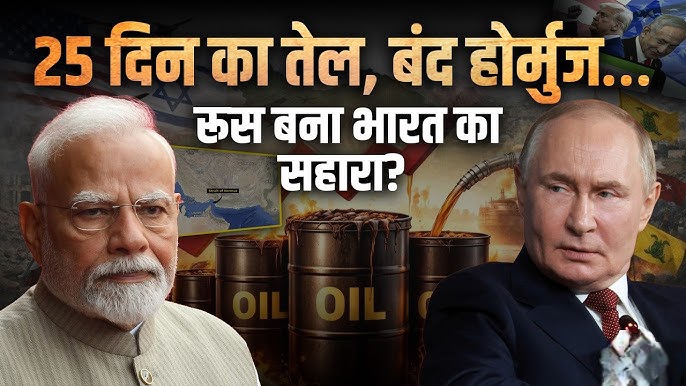
But the current crisis has exposed the risks of over-reliance on a single region. As supplies dwindled, India was forced to rethink its sourcing strategy—and this is where Russia has become India support in a crucial way.
Russia Rising Role in India Energy Basket
As Middle Eastern supplies declined, India rapidly increased its imports from Russia. In fact, Russian oil imports nearly doubled in recent months, accounting for a significant portion of India’s total crude intake.
This shift is not accidental—it is strategic.
- Russian oil is available in large volumes
- It is often offered at discounted prices
- Supply routes are less affected by Middle East tensions
In this context, Russia has become India support by filling the supply gap created by the Hormuz disruption.
Data Speaks: A Dramatic Shift in Import Patterns
The numbers clearly show how India has pivoted:
- Middle East oil imports: Down by 61%
- Russian oil imports: Nearly doubled
- Russia’s share: Around 40–50% of total imports
This dramatic shift highlights how Russia has become India support during one of the most challenging energy crises in recent history.
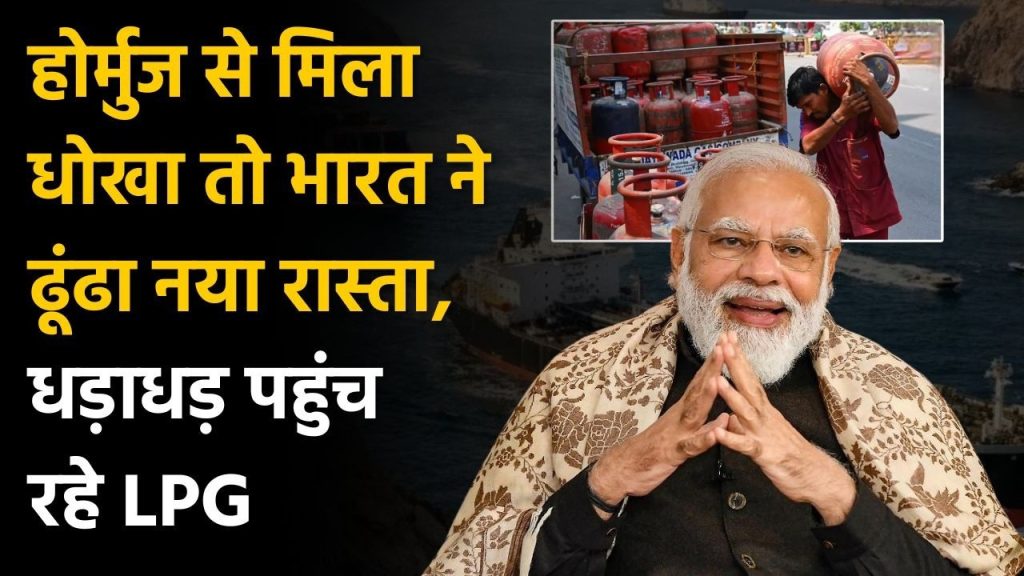
Economic Relief Through Russian Oil
One of the biggest advantages of Russian oil is pricing. Due to global sanctions and market conditions, Russian crude is often sold at discounted rates.
This has provided India with much-needed economic relief:
- Reduced import bills
- Controlled inflation
- Stabilized fuel prices
In this sense, Russia has become India support not just strategically, but economically as well.
Strategic Diplomacy at Play
India’s ability to balance relations with both Western nations and Russia has played a crucial role in this transition.
Despite geopolitical tensions, India has managed to:
- Continue buying Russian oil
- Maintain ties with the United States
- Avoid direct involvement in conflicts
This diplomatic balancing act has ensured that Russia has become India support without jeopardizing other international relationships.
The Logistics Advantage
Another key factor is logistics. Unlike Middle Eastern routes that depend heavily on the Strait of Hormuz, Russian oil reaches India through alternative maritime routes.
This reduces risk and ensures continuity.
As a result, Russia has become India support in maintaining a steady flow of crude oil even when traditional routes are disrupted.
The Role of Indian Refineries
Indian refineries have adapted quickly to process different grades of crude oil, including Russian blends.
This flexibility has enabled:
- Faster transition to Russian supplies
- Efficient refining processes
- Minimal disruption in domestic fuel availability
Thus, Russia has become India support in both supply and processing efficiency.
Challenges and Limitations
While the shift to Russian oil has been beneficial, it is not without challenges:
- Overdependence on a single alternative
- Shipping and insurance complexities
- Potential geopolitical risks
Moreover, reports suggest that even Russian supply buffers may not last indefinitely if the crisis continues.
Despite these concerns, Russia has become India support in the short to medium term.
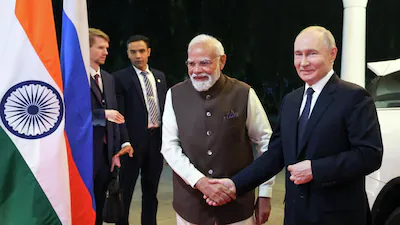
Impact on Global Oil Markets
India’s increased demand for Russian oil has had ripple effects:
- Shift in global trade routes
- Increased competition among buyers
- Price fluctuations in international markets
This transformation shows how Russia has become India support while also reshaping global energy dynamics.
Government Response and Preparedness
The Indian government has taken several steps to manage the crisis:
- Diversifying import sources
- Increasing strategic reserves
- Ensuring adequate domestic supply
Officials have reassured that there is no immediate shortage of fuel in the country.
These measures, combined with Russian imports, reinforce the idea that Russia has become India support in stabilizing the energy sector.
Alternative Sources: A Backup Plan
Apart from Russia, India is also exploring other sources:
- Africa (Angola, Nigeria)
- United States
- Latin America
However, none have matched the scale and reliability of Russian supplies. This further emphasizes how Russia has become India support during this crisis.
Long-Term Implications for India
The current situation is likely to have lasting impacts:
- Diversification of energy sources
- Reduced dependence on the Middle East
- Strengthened ties with Russia
In this evolving scenario, Russia has become India support not just temporarily but potentially as a long-term partner.
The Need for Energy Independence
Experts argue that India must reduce its import dependency by:
- Increasing domestic production
- Investing in renewable energy
- Expanding strategic reserves
The crisis has highlighted vulnerabilities but also opportunities. Until these goals are achieved, Russia has become India support in bridging the gap.
Renewable Energy: The Future Path
India is already investing heavily in renewable energy sources such as:
- Solar power
- Wind energy
- Biofuels
While these cannot immediately replace crude oil, they offer a long-term solution. Until then, Russia has become India support in ensuring energy continuity.
Geopolitical Implications
The shift toward Russian oil has broader geopolitical implications:
- Strengthening India-Russia relations
- Redefining global alliances
- Challenging Western dominance in energy markets
In this new world order, Russia has become India support in more ways than one.
Conclusion
The Middle East crisis and the disruption of the Strait of Hormuz have tested India’s energy resilience like never before. With oil imports from the region declining sharply, the country faced a serious risk of supply shortages and economic instability.
However, through strategic planning and diplomatic agility, India has successfully navigated this challenge. The rapid increase in Russian oil imports has provided a critical lifeline, ensuring that the nation’s energy needs continue to be met.
In this complex and evolving scenario, one thing is clear: Russia has become India support during a time of crisis. From stabilizing supplies to offering economic relief, Russia’s role has been pivotal.
As India moves forward, the lessons from this crisis will shape its energy policies for years to come. Diversification, sustainability, and strategic partnerships will be key pillars of its future strategy.
But for now, amid global uncertainty and geopolitical tensions, Russia has become India support—a reality that underscores the importance of adaptability in an ever-changing world.
Read More Latest news

