
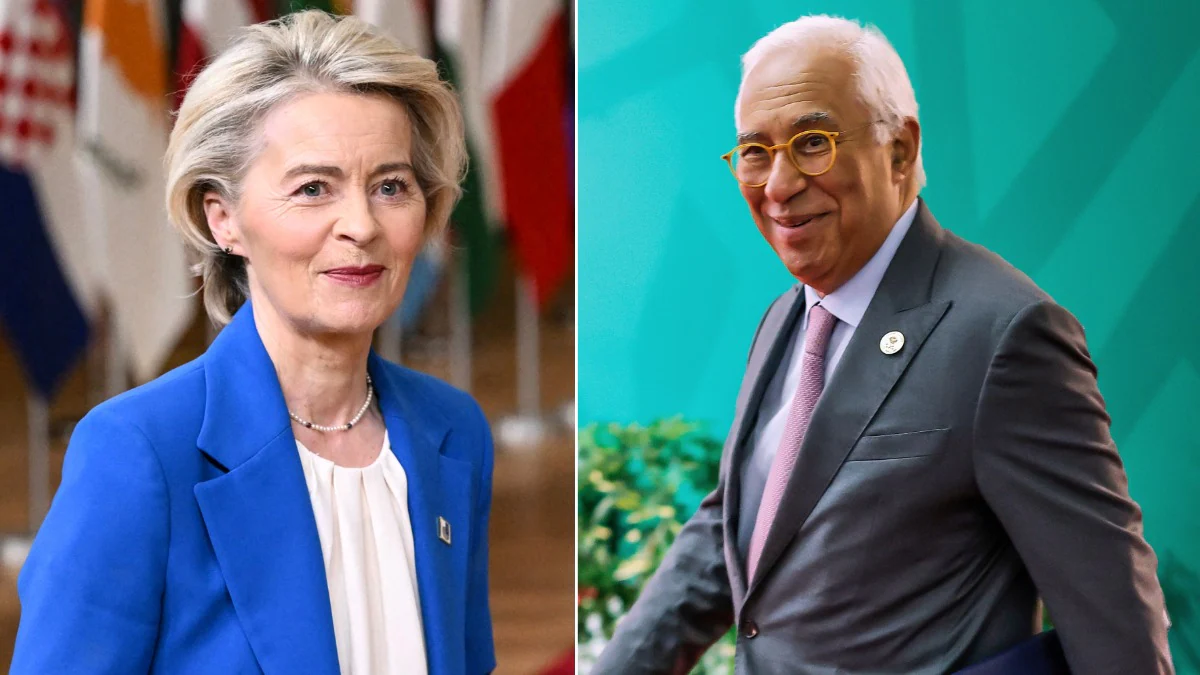
These Two European Leaders to Be Chief Guests at Republic Day Celebrations: A New Chapter in India–Europe Free Trade Ties
India’s upcoming Republic Day celebrations are set to carry extraordinary diplomatic and economic significance this year, as two prominent European leaders are expected to grace the occasion as chief guests. Their presence underlines not only the ceremonial importance of Republic-Day, but also New Delhi’s strategic focus on accelerating negotiations around a comprehensive Free Trade Agreement (FTA) with Europe. Over the years, Republic Day has evolved from being a purely national celebration into a powerful platform for India’s global outreach, signaling priorities in foreign policy, trade, defense cooperation, and people-to-people relations.
Republic Day as a Diplomatic Showcase
Every Republic Day, India showcases its constitutional values, cultural diversity, and military strength through a grand parade in the national capital. Beyond the pageantry, Republic-Day has also become an instrument of diplomacy, where the choice of chief guest reflects India’s strategic direction. Inviting two European leaders together for Republic Day is a clear indication that India wants to deepen its engagement with Europe at a time when global trade patterns are shifting and geopolitical equations are being recalibrated.
The symbolism of Republic Day lies in its message: India is confident, sovereign, and open for partnerships that respect mutual interests. By extending the Republic Day invitation to European leaders, India is emphasizing its intent to strengthen economic integration with advanced economies while safeguarding national interests.
Why Europe, Why Now?
Europe remains one of India’s largest trading partners, accounting for a significant share of exports, investments, and technology transfers. As global supply chains diversify away from overdependence on any single region, India and Europe see each other as reliable partners. The timing of this Republic-Day invitation coincides with renewed momentum in FTA talks that had previously faced delays due to regulatory, environmental, and market-access concerns.
The choice of chief guests for Republic Day reflects Europe’s growing relevance in India’s trade strategy. India is looking to secure better access for its goods, services, and skilled professionals, while Europe seeks predictable market conditions and stronger intellectual property protections.
Free Trade Agreement at the Core
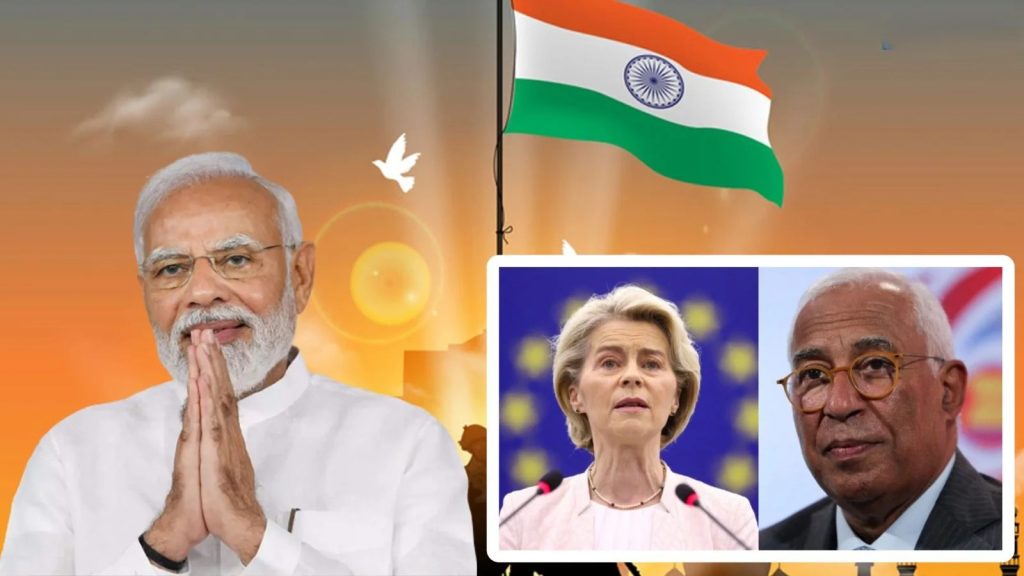
At the heart of this diplomatic outreach around Republic-Day is the long-pending Free Trade Agreement. The FTA aims to reduce tariffs, ease non-tariff barriers, promote investments, and enhance cooperation in emerging areas like green technology, digital trade, and sustainable manufacturing.
During Republic Day discussions, leaders are expected to emphasize the mutual benefits of the FTA. For India, the agreement could boost exports of pharmaceuticals, textiles, automobiles, IT services, and agricultural products. For Europe, India represents a massive consumer market with a young workforce and growing demand for high-quality goods and advanced technologies.
Strategic Messaging Through Republic Day
By centering the FTA narrative around Republic Day, India is sending a message that economic growth and democratic values go hand in hand. Republic-Day celebrates the adoption of the Constitution, which enshrines equality, justice, and freedom—principles that also underpin modern trade agreements.
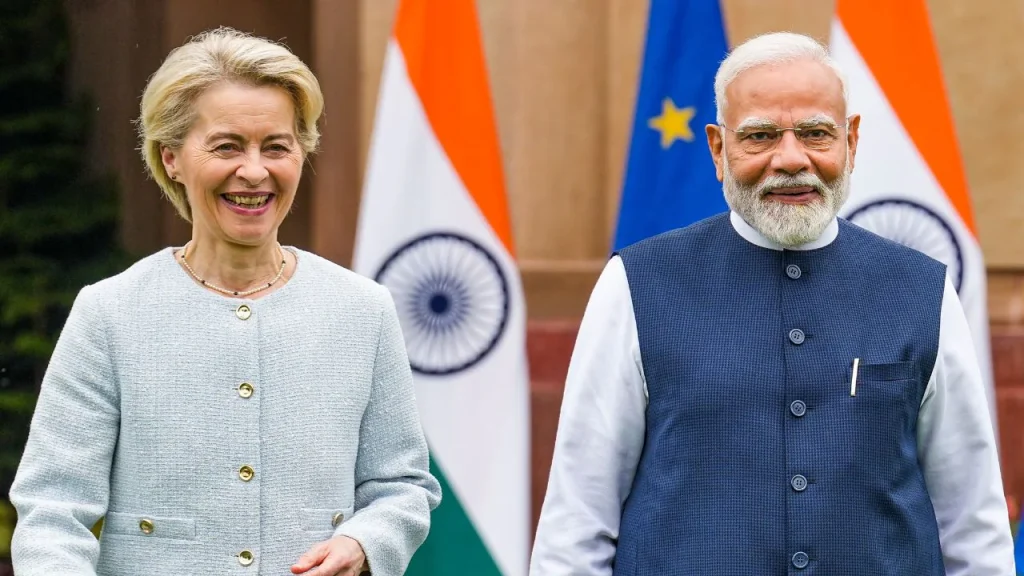
The presence of European leaders at Republic Day events, including the parade and state functions, will allow for informal diplomacy alongside formal negotiations. Such engagements often pave the way for breakthroughs that are difficult to achieve in purely technical trade talks.
Defense, Technology, and Sustainability
While trade is the main focus, Republic-Day meetings are also likely to cover defense cooperation, joint research, and climate action. Europe is a key partner in defense technology and renewable energy, areas where India seeks both investment and expertise.
On Republic Day, India traditionally showcases indigenous defense capabilities. European leaders witnessing these displays firsthand may explore deeper collaboration in defense manufacturing under India’s “Make in India” initiative. Sustainability will also feature prominently, as both sides aim to align trade growth with climate commitments.
Public Diplomacy and People-to-People Ties
The visibility of European leaders during Republic Day celebrations resonates beyond government corridors. It strengthens people-to-people ties and fosters greater cultural understanding. Students, professionals, and businesses in both regions view Republic-Day diplomacy as a signal of long-term partnership stability.
Cultural programs during Republic Day festivities often highlight India’s pluralism, which appeals strongly to European audiences. This soft power dimension complements hard negotiations on trade and investment.
Economic Implications for India
An FTA spotlighted during Republic Day could significantly impact India’s economy. Reduced trade barriers would enhance competitiveness of Indian exports in European markets. Sectors like renewable energy, electric vehicles, and digital services could see accelerated growth.
By leveraging the global attention that Republic-Day attracts, India can build investor confidence and project itself as a rules-based, reform-oriented economy.
Europe’s Perspective
From Europe’s standpoint, participating in Republic Day as chief guests reinforces its commitment to diversifying partnerships in Asia. India’s large market and strategic location make it an indispensable partner. European leaders attending Republic-Day will likely emphasize shared democratic values, rule of law, and multilateralism.
Challenges Ahead
Despite optimism around Republic Day, challenges remain. Differences over labor standards, environmental regulations, data protection, and agricultural access must be resolved. However, the political will demonstrated through Republic Day diplomacy could help overcome these hurdles.
Looking Beyond the Ceremony
While Republic Day provides a powerful stage, the real test lies in translating symbolism into substance. If negotiations progress meaningfully after Republic-Day, the event will be remembered as a turning point in India–Europe relations.
In the long term, aligning trade goals with strategic trust built during Republic Day engagements could redefine India’s economic integration with Europe.
Conclusion
This year’s Republic Day celebrations promise to be more than a ceremonial affair. With two European leaders as chief guests, Republic Day becomes a milestone in India’s trade diplomacy, particularly in advancing the Free Trade Agreement. The convergence of constitutional pride, global partnership, and economic ambition makes Republic-Day a fitting moment to chart a new course in India–Europe relations.
Read More latest news

