

The Delhi Legislative Assembly is a place where some of the most important decisions and debates in the capital city’s governance take place. It is where laws are debated, public concerns are raised, and policies are scrutinized. The latest session of the Delhi Assembly, which has been live-streamed for public viewing, has seen heated discussions and intense drama, particularly revolving around the controversial liquor policy, the Comptroller and Auditor General (CAG) report, and the suspension of twelve AAP Members of the Legislative Assembly (MLAs).
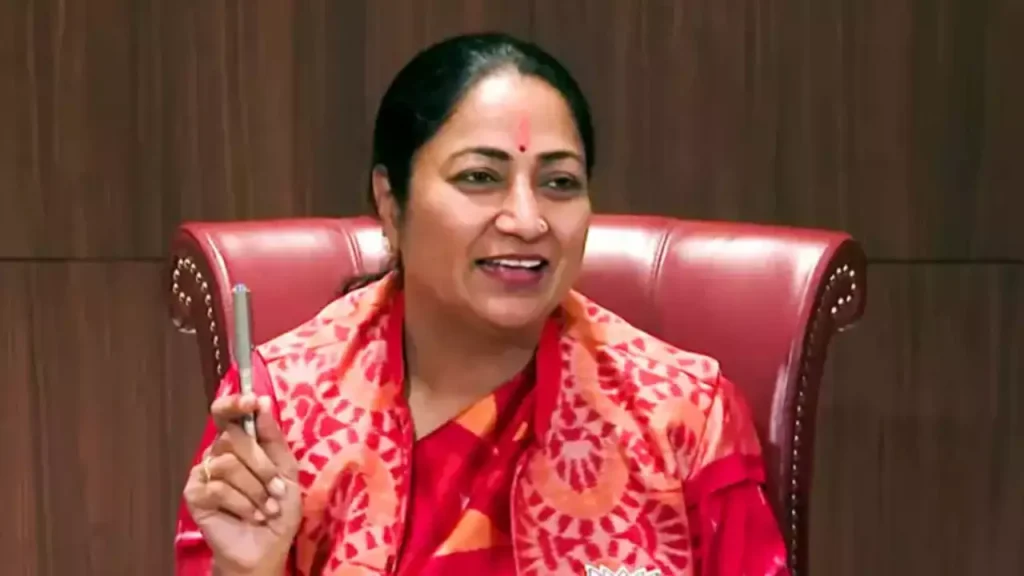
At the heart of the session was Chief Minister Rekha Gupta, who presented the much-awaited CAG report on the liquor policy. The report, which has raised several eyebrows, has cast a shadow over the Delhi government’s much-publicized liquor policy, and Gupta’s speech in the Assembly was aimed at addressing these concerns and clearing the air on the issue.
However, the session quickly descended into chaos when 12 AAP MLAs were suspended after a series of protests over the CAG report, sparking intense debates about the role of the opposition, the integrity of the liquor policy, and the political dynamics at play in the capital city.
This blog delves deep into the key aspects of the Delhi Assembly Session, exploring the presentation of the CAG report, the contentious liquor policy, the reasons behind the suspension of the AAP MLAs, and the broader political ramifications.
The Context: Delhi’s Liquor Policy Controversy
In recent years, the Delhi government’s liquor policy has been a major point of contention in the political landscape of the city. The Delhi Liquor Policy 2021-22, launched by the Aam Aadmi Party (AAP) government under Chief Minister Arvind Kejriwal, was initially celebrated as a progressive move aimed at ending the monopoly of private players in the liquor business, improving government revenue, and creating more accessible and affordable liquor outlets.
However, the policy quickly became the subject of criticism when allegations of corruption, favoritism, and irregularities began to surface. Opposition parties, particularly the Bharatiya Janata Party (BJP) and the Congress, accused the Delhi government of granting undue benefits to certain liquor vendors and of not following due process in the rollout of the policy. These accusations led to investigations by the Enforcement Directorate (ED), the Central Bureau of Investigation (CBI), and the Comptroller and Auditor General (CAG).
The controversy escalated when the CAG report, presented in the Assembly session, revealed several discrepancies and irregularities in the implementation of the policy. The report alleged that there were discrepancies in the tendering process for liquor licenses, lack of transparency, and the diversion of excise revenue. These findings raised questions about the effectiveness and integrity of the liquor policy and called into question the Delhi government’s handling of the matter.
CM Rekha Gupta Presents the CAG Report
On the first day of the Delhi Assembly session, CM Rekha Gupta took center stage to address the controversy surrounding the liquor policy and present the CAG’s findings. Her speech was poised to calm the growing tensions, address the accusations head-on, and reassure the public and lawmakers that the Delhi government was committed to transparency and accountability.
Gupta began by defending the Delhi government’s liquor policy, emphasizing that it was designed to increase government revenue, promote transparency, and reduce the influence of private liquor lobbies. She argued that the policy was in line with the government’s broader goals of reducing corruption and improving the business environment for local vendors.
The CM also presented the CAG report, which was a key element in the ongoing investigations. The report, however, was not without its controversies. While the Delhi government had initially hoped to sidestep criticism, the CAG’s findings were damning. It raised concerns about the transparency of the excise policy’s implementation, particularly regarding the allocation of liquor licenses, the lack of due diligence in awarding contracts, and the potential loss of revenue to the state exchequer due to irregularities.
However, CM Gupta did not shy away from the difficult questions raised by the CAG. In her address, she argued that while the report did highlight some areas for improvement, it did not substantiate claims of large-scale corruption. Gupta assured the House that the Delhi government would take corrective action on any shortcomings identified in the report, but she dismissed accusations of any deliberate wrongdoing or malfeasance.
The Political Drama: 12 AAP MLAs Suspended
What followed was nothing short of a political spectacle. As CM Rekha Gupta presented the CAG report and defended the liquor policy, the session quickly spiraled into chaos when 12 AAP MLAs were suspended for their alleged misconduct. The incident stemmed from a protest within the Assembly, where opposition lawmakers, primarily from the BJP, raised their voices in protest against what they called the “mismanagement” of the liquor policy.
The AAP MLAs, particularly those in the opposition, reacted strongly to the findings in the CAG report. They accused the Delhi government of mishandling the matter and demanded an immediate investigation into the alleged corruption linked to the liquor policy. Their protests grew louder as Gupta continued her defense, and several AAP MLAs were seen disrupting the proceedings by raising slogans, waving placards, and calling for accountability.
In response to the unruly behavior of the protesting MLAs, the Speaker of the Assembly, in consultation with the ruling AAP government, decided to take action. Twelve AAP MLAs were suspended for disrupting the session, causing an uproar within the Assembly. The suspension order was met with fierce reactions from the suspended MLAs, who claimed that their right to protest and hold the government accountable was being stifled.
The suspension of these MLAs sparked a wave of political debates, with the AAP accusing the BJP of trying to suppress dissent and undermine the democratic process. Meanwhile, BJP leaders defended the suspension, stating that the AAP MLAs were responsible for creating a ruckus and that their actions were a violation of the dignity and decorum of the legislative proceedings.
The Fallout: What Does the Suspension Mean?
The suspension of twelve AAP MLAs marks a significant development in the ongoing political drama surrounding the Delhi Liquor Policy. It has further deepened the divide between the ruling AAP and the opposition, especially the BJP, in the Delhi Assembly.
For the AAP, the suspension of its MLAs is a sign of the growing tension between the government and the opposition. While the ruling party has consistently claimed that its policies are aimed at improving governance and transparency, the controversy surrounding the liquor policy has given the opposition ample ammunition to attack the government. The suspension has now given the AAP a fresh narrative to rally its supporters and accuse the BJP of using authoritarian tactics to suppress criticism.
On the other hand, the BJP sees the suspension as a necessary measure to restore order in the Assembly and ensure that the session progresses without disruptions. The party claims that the AAP MLAs were acting in bad faith, turning the issue of governance into a political spectacle rather than engaging in a constructive debate on the policy.
This event is likely to fuel further protests and debates both inside and outside the Assembly. It will also keep the liquor policy controversy in the public eye, with the opposition using it as a key issue to challenge the Delhi government.
The Impact on the Liquor Policy: What’s Next?
The CAG report, alongside the suspension of the AAP MLAs, has thrown the spotlight back on the Delhi Liquor Policy, with several questions still unanswered. While CM Rekha Gupta has assured that the government will take corrective steps where necessary, the opposition remains unconvinced. Critics argue that the policy has resulted in a loss of revenue and that there has been a lack of transparency in the process of awarding liquor licenses.
In the coming weeks, the Delhi government is likely to face increased pressure from both the opposition and the public to address the issues raised in the CAG report. There may be calls for further investigations, and the government might be forced to make significant changes to the liquor policy.
Moreover, the controversy has intensified the political rivalry between the AAP and BJP, especially as the two parties gear up for upcoming elections in the state. The liquor policy issue, combined with the suspension of AAP MLAs, is expected to dominate the political discourse for the foreseeable future.
The Role of the Media and Public Opinion
As the Delhi Assembly session progresses, the media will play a crucial role in shaping public opinion on the matter. The live coverage of the session ensures that every development is being watched by thousands of people, with discussions unfolding on social media and news platforms. Public sentiment on the liquor policy and the suspension of the AAP MLAs is likely to influence the political climate in the city.
While some sections of the media have supported the Delhi government’s stance, others have criticized the way the liquor policy has been handled. Public opinion, which is often swayed by media coverage, will play a pivotal role in determining the political fortunes of the AAP in the coming months.
Conclusion: A Defining Moment in Delhi Politics
The latest Delhi Assembly session, with the presentation of the CAG report on the liquor policy and the suspension of twelve AAP MLAs, has marked a turning point in Delhi politics. The controversy surrounding the liquor policy, along with the political drama that followed, has deepened the divide between the ruling AAP and the opposition.
As the debate over the liquor policy continues, the Delhi government will face mounting pressure to address the concerns raised by the CAG report. The suspended MLAs may return to the Assembly to continue their protests, further intensifying the political discourse.
For now, the eyes of the public remain firmly on the Delhi Assembly, where the fate of the liquor policy and the political future of the AAP are being decided in real time. The resolution of this issue will have long-lasting implications for both the Delhi government and the city’s political landscape as a whole. The road ahead is fraught with challenges, but one thing is certain: the Delhi Assembly has become the focal point of a high-stakes political battle that will shape the future of governance in the capital.
read more latest news

