

Ram Rahim has been parole again: Questions Rise Over Repeated Releases of Dera Chief.
The controversial release of Gurmeet Ram Rahim Singh has once again sparked political debate, public outrage, and discussions over the Indian parole system. Dera Sacha Sauda chief and rape convict Gurmeet Ram Rahim has been granted parole for 30 days and has reportedly left Rohtak’s Sunaria jail for his Sirsa Ashram. The development has reignited criticism from opposition leaders, women’s rights activists, and civil society groups who continue to question the repeated temporary releases granted to the self-styled godman.
This latest development has become national news because Ram Rahim has been parole again, marking the 16th time he has received parole or furlough since his conviction in 2017. Critics argue that the frequency of his release raises serious concerns about equality before the law and whether influential convicts are receiving preferential treatment.
The parole granted to Gurmeet Ram Rahim comes despite his conviction in two major criminal cases. He was found guilty of raping two women followers and later convicted in the murder case of journalist Ram Chander Chhatrapati. The crimes shocked the country and led to widespread anger when the verdict was announced by a special CBI court in 2017 (Ram Rahim has been parole again).
Ram Rahim has been parole again for 30 days
Yet, despite the seriousness of the convictions, Ram Rahim has been parole again, leading many to ask why a life convict repeatedly receives temporary release. Legal experts note that parole is technically available to eligible prisoners under prison rules, but the regularity of Ram Rahim’s paroles continues to draw attention because of the scale of public influence he commands.
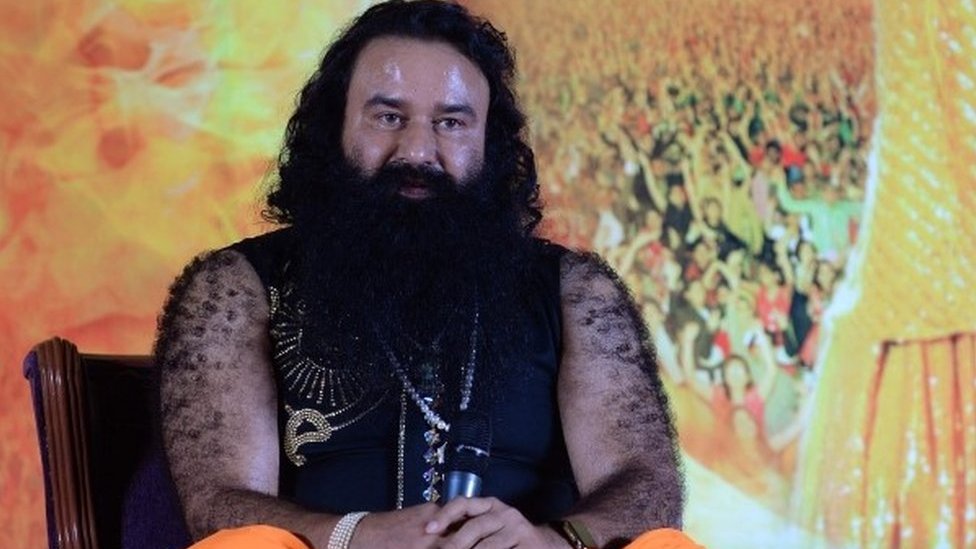
Supporters of the Dera chief argue that parole is a legal right available under prison regulations and should not be politicized. They claim that Gurmeet Ram Rahim has maintained good conduct during his imprisonment and is therefore entitled to parole benefits like any other inmate. However, critics counter that ordinary prisoners rarely receive such repeated relief.
The issue has gained further importance because Ram Rahim has been parole again at a politically sensitive time. Opposition parties have repeatedly accused ruling governments in Haryana and at the Centre of showing leniency toward the Dera chief due to his large support base in northern India, especially in Haryana and Punjab.
Dera Sacha Sauda remains one of the most influential socio-religious organizations in North India. Established in Sirsa, Haryana, the organization commands millions of followers across multiple states. Gurmeet Ram Rahim cultivated a massive public image over the years through religious events, films, social campaigns, and political influence.
However, the image of the Dera chief collapsed after the rape conviction in 2017. The verdict triggered widespread violence in parts of Haryana and Punjab, resulting in deaths, injuries, and massive property damage. Since then, every time Ram Rahim has been parole again, security agencies have remained on alert due to concerns over public order and crowd gatherings.
Dera Sacha Sauda chief Gurmeet Ram Rahim parole controversy
Authorities reportedly increased security arrangements around Sirsa following the latest parole announcement. Police forces were deployed in sensitive areas to prevent any untoward incidents as supporters gathered near the Dera headquarters.
Political reactions intensified after news emerged that Ram Rahim has been parole again. Opposition leaders questioned whether political considerations influence the parole decisions. Some leaders alleged that such paroles often coincide with elections or politically important periods in states where the Dera has electoral influence.
The Haryana government, however, has maintained that parole decisions are taken according to legal procedures and prison rules. Officials insist that Gurmeet Ram Rahim’s temporary release follows standard regulations applicable to prisoners who meet eligibility requirements.
Despite official explanations, public skepticism remains high because Ram Rahim has been parole again multiple times within a relatively short period. Legal activists argue that the repeated paroles undermine public confidence in the justice system, especially in crimes involving sexual violence.
Ram Rahim 16th parole since 2017 conviction details
Women’s rights organizations have also expressed anger over the decision. Activists say the repeated release of a convicted rapist sends the wrong message to survivors of sexual assault. They argue that such decisions risk weakening faith in the legal system and could discourage victims from seeking justice.

The controversy surrounding Gurmeet Ram Rahim also reflects the complex relationship between religion, politics, and law in India. Dera Sacha Sauda’s influence extends beyond spiritual activities. Over the years, political parties have sought the support of Dera followers during elections, recognizing the organization’s significant voter base.
As a result, whenever Ram Rahim has been parole again, political motives become part of the national conversation. Critics often allege that governments are cautious about antagonizing Dera supporters because of electoral considerations.
Meanwhile, supporters of the Dera chief welcomed the latest parole announcement with celebrations and prayers. Videos circulated on social media showing followers expressing happiness after learning that Gurmeet Ram Rahim had left jail for his Sirsa Ashram.
The repeated parole grants have also triggered legal debates about the distinction between parole and furlough. While parole is usually granted for specific reasons such as family emergencies or special circumstances, furlough is often considered a reward for good behavior. Experts note that prison laws vary across states, allowing authorities significant discretion in such matters.
Still, many remain unconvinced because Ram Rahim has been parole again despite being convicted in highly serious criminal cases. Public opinion remains divided between those who believe he deserves equal legal rights and those who see the repeated releases as evidence of unequal treatment.
The role of the judiciary has also come under scrutiny. Several petitions challenging earlier paroles have reached courts in the past. Some petitioners argued that repeated temporary releases to Ram Rahim threaten social harmony and disrespect the gravity of his crimes.
The latest parole decision comes as India continues to debate prison reforms, inmate rights, and the balance between rehabilitation and punishment. Supporters of prison reform argue that parole is an important tool for reintegration into society and should not be denied solely because a prisoner is famous or controversial.
Court cases against Gurmeet Ram Rahim explained
However, opponents argue that Ram Rahim has been parole again too frequently for a convict serving life imprisonment. They believe such decisions create the perception that influential individuals receive privileges unavailable to ordinary prisoners.
The murder case involving journalist Ram Chander Chhatrapati remains a major factor in public anger against Gurmeet Ram Rahim. Chhatrapati had reportedly exposed allegations against the Dera chief before he was murdered in 2002. Ram Rahim was later convicted for conspiring in the killing.
This background makes the repeated paroles particularly controversial. Every time Ram Rahim has been parole again, victims’ families and activists renew calls for stricter oversight over parole decisions involving serious offenders.
The media attention surrounding the Dera chief has also remained intense because of his unusual public persona. Before his conviction, Gurmeet Ram Rahim projected himself as a spiritual leader, actor, singer, filmmaker, and social reformer. His extravagant lifestyle and massive fan following made him one of India’s most recognizable religious figures.
Since his imprisonment, however, his public image has become deeply polarizing. For supporters, he remains a spiritual guru. For critics, he represents the dangers of unchecked cult influence and political patronage.

The fact that Ram Rahim has been parole again has once again brought attention to the broader issue of influential religious leaders facing criminal charges in India. Over the years, several self-styled godmen have faced allegations ranging from financial fraud to sexual assault.
Legal scholars note that the Ram Rahim case became a landmark moment because it demonstrated that even highly influential figures could be convicted under the law. However, repeated paroles have complicated that narrative by creating perceptions of continuing privilege.
Public discourse on social media has remained sharply divided. While some users defended the parole as a legal entitlement, others accused authorities of double standards. Many questioned whether ordinary prisoners serving life terms would receive similar treatment.
The controversy has intensified because Ram Rahim has been parole again at a time when debates over women’s safety and justice remain highly sensitive in India. Activists argue that symbolic decisions matter greatly in shaping public trust.
Security agencies are also closely monitoring the situation during the parole period. Large gatherings at the Sirsa Ashram could create law-and-order concerns, particularly given the violent unrest that followed Ram Rahim’s conviction in 2017.
Meanwhile, legal experts emphasize that parole does not erase a conviction or sentence. Gurmeet Ram Rahim remains a convicted prisoner serving a life sentence, and he is expected to return to jail after completing the 30-day parole period unless any further legal developments occur.
Still, the repeated nature of these releases ensures that every time Ram Rahim has been parole again, the issue becomes a national political and social debate. Questions about justice, political influence, prison reform, and victim rights continue to dominate public discussions.
For now, Gurmeet Ram Rahim’s return to the Sirsa Ashram has once again placed the spotlight on one of India’s most controversial religious figures. Whether viewed as a legal entitlement or a troubling example of privilege, the latest parole has reignited nationwide debate over how the justice system handles influential convicts.
As the 30-day parole period continues, political reactions, public scrutiny, and legal discussions are expected to remain intense. The phrase Ram Rahim has been parole again has now become more than just a headline—it has become a symbol of the larger debate over law, influence, and accountability in modern India.
Read more latest news

