
📚 “Don’t Let Poor Kids Lose Their Right to Education”: Sanjay Singh’s Urgent Appeal to UP Government
Keywords: Sanjay Singh UP education appeal, AAP Save Education campaign, UP school closures, right to education poor children UP, School Bachao Abhiyan, Delhi model AAP education
1. Introduction: A Wake-Up Call from the Heart of UP
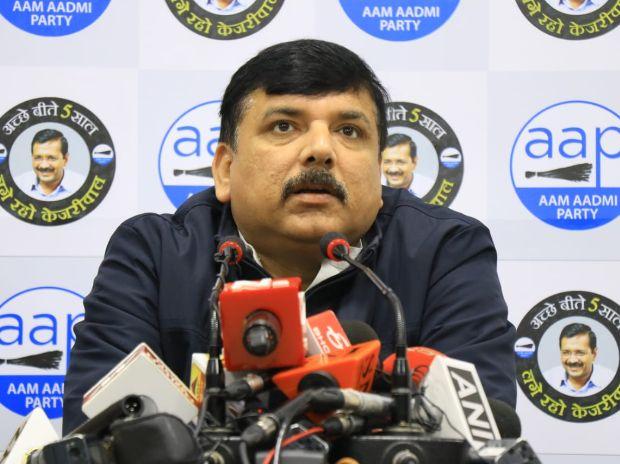
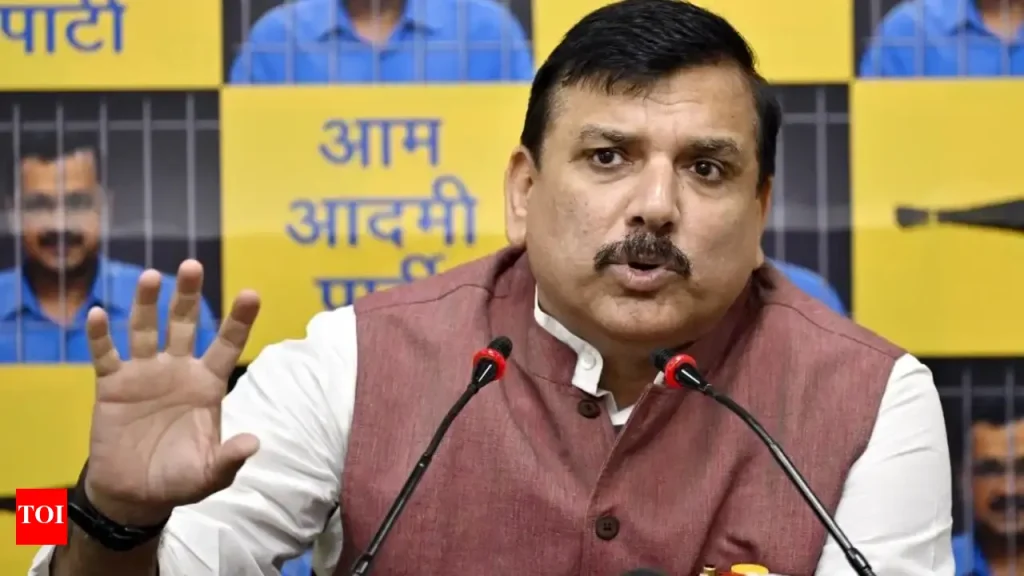
In mid‐July 2025, AAP Rajya Sabha MP Sanjay Singh, who also serves as the party’s Uttar Pradesh in‑charge, issued a powerful appeal to the Yogi Adityanath government, urging it not to compromise the fundamental right to education for poor children. At the center of this confrontation is the state’s controversial decision to merge and close nearly 27,000 government schools, a move AAP argues disproportionately impacts children from underprivileged backgrounds.
2. What Sparked the Crisis: School Closures & Mergers in UP
The Uttar Pradesh government has begun closing or merging government schools that register low student enrolment. According to Sanjay Singh:
- Over 27,000 schools have been shuttered already, with plans for another 5,000 closures.
- Nearly 1.93 lakh teaching positions remain vacant across primary, secondary, and senior secondary levels, creating massive instructional voids.
- In Prayagraj alone, 633 schools are categorized as structurally unsafe.
Sanjay Singh argues that poor student numbers are the direct result of systemic negligence—by refusing to staff schools and investing in infrastructure, the state engineered low enrolment to justify closures and mergers.
3. The Impact on Poor Children: Education vs. Alcohol Shops
During his campaign launch in Jadonpur, Sanjay Singh poignantly declared: “We need pāṭhshālā (schools), not madhushālā (liquor shops).” He pointed out the irony of the state government opening thousands of new liquor shops while closing schools at a massive scale.
Parents and students in affected villages report:
- Children walking long distances—across busy roads and through forests—for education, which disproportionately impacts girl students due to safety concerns.
- Many willing children denied admission before their local school was shut down.

4. Legal Strategy: From Street Campaigns to the Supreme Court
In response, AAP has vowed to escalate the issue:
- School Bachao Abhiyan: A state-wide awareness drive launched by Sanjay Singh involving direct village visits, interactions with parents, students, and teachers.
- Supreme Court Motion: AAP announced its intention to challenge the mergers legally, arguing that the closures violate the Right to Education (RTE) Act and infringe upon poor children’s constitutional rights .
- Parliamentary Campaign: Singh pledged to raise the issue in the Rajya Sabha and mobilize public opinion via every available platform if the government fails to act .
5. Sanjay Singh: The Man Behind the Movement
Sanjay Singh, born in Sultanpur, Uttar Pradesh, is a seasoned social activist turned politician, holding a diploma in mining engineering and serving since 2018 as an AAP Rajya Sabha member from Delhi. As national spokesperson and in‑charge for UP and Bihar, Singh has a history of raising child protection, education and rights-based issues in Parliament, and was recognized by UNICEF India in 2020 for his efforts concerning child rights .
He has frequently employed street campaigns, public protests and parliamentary actions to highlight issues—from education to child trafficking and safety in coaching centres.
6. Ground Visits: Voices from Villages
During visits to villages like Sahpurwa (Lucknow), Singh personally accompanied students on their long hikes to merged schools—highlighting hazards such as major roads and monkey-filled forests on their route. He spoke with parents who claimed their children were denied admission even when seats remained and emphasized that schools could be reopened if teacher recruitment and basic infrastructure were addressed first, instead of shutting them down.
7. Political Angle & Future Forecast
Sanjay Singh predicts that the widespread backlash over the education policy disruption could seriously affect the BJP-led Yogi government’s fortunes in the 2027 Uttar Pradesh Assembly elections. Highlighting the public dissatisfaction rooted in education neglect, he warned that voters will hold the government accountable at the ballot box.
8. AAP’s Broader Educational Philosophy
AAP’s focus on education stems from its Delhi governance model, which emphasizes free schools, teacher recruitment, mid‑day meals, infrastructure upgrades, and transparent enrollment processes. It positions itself against states where public education is systematically undermined—making the UP closures a direct counter-narrative to AAP’s philosophy, and a model that Sanjay Singh argues should be replicated .
9. Analysis: What’s at Stake?
▶ Right to Education vs Systemic Neglect
Closing under‑enrolled schools without addressing reasons for poor attendance (like lack of teachers, poor facilities and unsafe buildings) undermines the Right to Education Act, especially for rural and economically vulnerable households.
▶ Gender Disparity Intensified
Mergers impose more travel burdens and safety risks for girl students—many parents, especially from poor families, may hesitate to send girls to distant schools, worsening dropout rates.
▶ Infrastructure Crisis Surface
UP’s vast state-run school infrastructure is decaying, with many buildings deemed unsafe and long-overdue renovation. Rather than fix them, the government’s closure push reflects systemic neglect.
▶ Legal Precedents & Institutional Trust
Legal actions via the Supreme Court could establish precedents on how state policies must consider constitutional rights before administrative convenience. Singh’s legal threat positions AAP as a defender of constitutional rights.
10. Voice of the People: Public Resonance
Although extensive polling data is still emerging, anecdotal coverage suggests growing discontent across affected villages. Parents and students have welcomed visits from Sanjay Singh and AAP workers, sharing frustration with closures, unsafe schools, and lack of access.
On social media and news snippets, multiple users expressed outrage that state resources prioritized liquor shop licensing over building or maintaining schools in their villages.
11. Path to 3,000 Words: Expansion Suggestions
To expand this blog to 3,000 words, you can include:
- Case studies of specific villages affected (e.g., interviews with families in Sahpurwa, Lucknow, Jaunpur).
- Timeline of UP school closures—mapping policy decisions, advisories, and progression over months.
- Education statistics comparing enrolment, teacher vacancies, infrastructure condition across years.
- Expert commentary: Input from educationists, child rights lawyers, or former DGCA officials.
- Comparative analysis of other states’ school merger approaches vs UP’s model.
- Voices from students and teachers: first-person accounts of hardship.
- Legal perspective: explanation of the RTE Act and constitutional provisions being violated.
- Political forecasting: what this issue could mean for election outcomes, AAP’s campaign strategies in UP.
read more latest news

