

A Strong Message Without Naming: How Rajnath Singh’s Warning Signals India’s Strategic Resolve
Rajnath Singh warned Pakistan through a carefully worded statement that emphasized preparedness without escalating rhetoric unnecessarily. Such calibrated messaging is a hallmark of modern diplomacy and defence strategy.
In the complex and often tense geopolitical landscape of South Asia, statements from top leaders carry deep meaning—sometimes even more when specific names are left unspoken. Recently, Rajnath Singh delivered a powerful warning during a public address, making it clear that India remains vigilant and prepared to respond to any provocation from across its borders. Though he did not directly mention Pakistan, the message was widely interpreted as a firm signal to India’s western neighbour.
This statement has sparked conversations across political, strategic, and public spheres. It reflects India’s evolving defence posture and its emphasis on deterrence, readiness, and national security.
The Context Behind the Statement
India shares a long and sensitive border with Pakistan, marked by a history of conflict, ceasefire violations, and diplomatic tensions. Over the years, incidents along the Line of Control (LoC) have often triggered strong responses from both sides.
Against this backdrop, Rajnath Singh’s remarks come at a time when regional security remains fragile. His message was clear: India will not tolerate any attempts to destabilize peace or challenge its sovereignty.
Decoding the Message
Political observers believe that the choice to avoid naming Pakistan directly is significant. It allows India to send a strong message while maintaining diplomatic decorum.
Rajnath Singh warned Pakistan in a way that balances firmness with restraint. This approach ensures that India’s position is communicated clearly without unnecessarily inflaming tensions.
Strategically, such statements serve multiple purposes:
- Reinforcing domestic confidence in national security
- Sending a deterrent signal to adversaries
- Demonstrating leadership on the global stage
In this case, Rajnath Singh warned Pakistan while also reassuring citizens that the country’s defence apparatus is alert and capable.
India Defence Posture Strength and Readiness
Under Rajnath Singh’s leadership, India has focused heavily on strengthening its defence capabilities. From modernization of the armed forces to increased focus on indigenous production, the country has taken significant steps.

Rajnath Singh warned Pakistan while highlighting India’s readiness to respond to any provocation. This includes:
- Advanced surveillance systems
- Improved border infrastructure
- Enhanced military preparedness
India’s defence strategy today is built on both deterrence and rapid response. Rajnath Singh warned Pakistan as part of this broader framework.
The Role of Strategic Communication
In international relations, how a message is delivered is just as important as what is said. Leaders often use indirect language to maintain diplomatic space while conveying seriousness.
Rajnath Singh warned Pakistan without naming it, demonstrating a nuanced understanding of global diplomacy. This method avoids direct confrontation while still asserting India’s stance.
Such communication also aligns with India’s image as a responsible global power—firm but measured. Rajnath Singh warned Pakistan in a tone that reflects both confidence and caution.
Domestic Impact: Public Confidence and Political Messaging
Statements like these resonate strongly within the country. Citizens look to leadership for assurance, especially when it comes to national security.
Rajnath Singh warned Pakistan, and this message reinforced public confidence in the government’s commitment to safeguarding the nation.
Politically, it also sends a signal of strength and decisiveness. Rajnath Singh warned Pakistan in a way that aligns with the broader narrative of a secure and assertive India.
Historical Perspective India Pakistan Relations
To fully understand the significance of this statement, it is important to consider the historical context of India-Pakistan relations.
From the wars of 1947, 1965, and 1971 to more recent tensions, the relationship has been marked by conflict and mistrust. Ceasefire agreements have provided temporary relief, but challenges persist.
In this context, Rajnath Singh warned Pakistan as part of a long-standing pattern of signalling resolve and readiness.
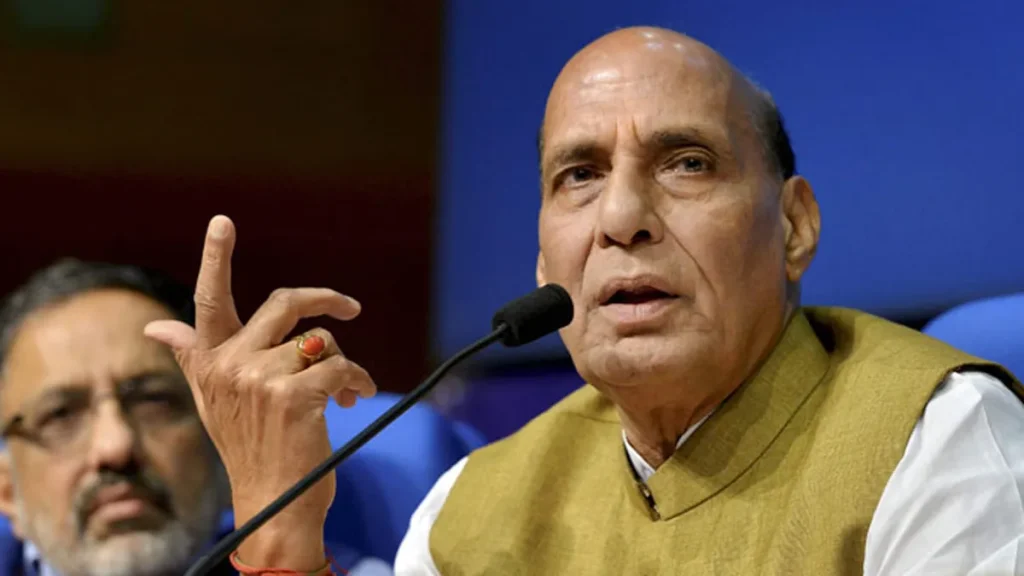
Military Preparedness and Modernization
India’s armed forces have undergone significant transformation in recent years. Investments in technology, training, and infrastructure have enhanced operational capabilities.
Rajnath Singh warned Pakistan while emphasizing that India is fully equipped to handle any situation. This includes:
- Modern fighter jets and missile systems
- Strengthened naval capabilities
- Cyber and space defence initiatives
Such advancements ensure that India remains a formidable force. Rajnath Singh warned Pakistan with the backing of these capabilities.
Regional Stability and Global Implications
South Asia is a region of strategic importance, and any tension between India and Pakistan has global implications.
Rajnath Singh warned Pakistan in a way that underscores India’s commitment to maintaining stability while protecting its interests.
Global powers often watch such developments closely, as they can influence regional and international dynamics. Rajnath Singh warned Pakistan while maintaining a tone that avoids unnecessary escalation.
The Balance Between Peace and Strength
India has consistently advocated for peaceful coexistence and dialogue. However, it has also made it clear that peace cannot come at the cost of security.
Rajnath Singh warned Pakistan by reiterating that any provocation will be met with a strong response. This reflects a balanced approach—seeking peace but prepared for conflict if necessary.
Such a stance is essential in maintaining both credibility and stability. Rajnath Singh warned Pakistan while reinforcing this balance.
Media and Public Discourse
The statement quickly became a topic of discussion across media platforms. Analysts, commentators, and citizens debated its implications.
Rajnath Singh warned Pakistan, and the message was amplified through news coverage and social media discussions.
This widespread attention highlights the importance of strategic communication in shaping public perception. Rajnath Singh warned Pakistan and ensured that the message reached a broad audience.
Political Reactions and Opposition Views
As with any major statement, reactions from political parties varied. Supporters praised the firmness of the message, while critics called for more diplomatic engagement.
Rajnath Singh warned Pakistan, and the statement became part of the larger political discourse in the country.
Such debates are a natural part of democracy, reflecting diverse perspectives on national security and foreign policy. Rajnath Singh warned Pakistan and sparked these important conversations.
The Role of the Armed Forces
Behind every political statement on defence lies the strength and dedication of the armed forces.
Rajnath Singh warned Pakistan with the confidence that India’s military is capable and prepared. The armed forces play a crucial role in maintaining security and responding to threats.
Their professionalism and readiness are key to India’s defence strategy. Rajnath Singh warned Pakistan while acknowledging this strength.
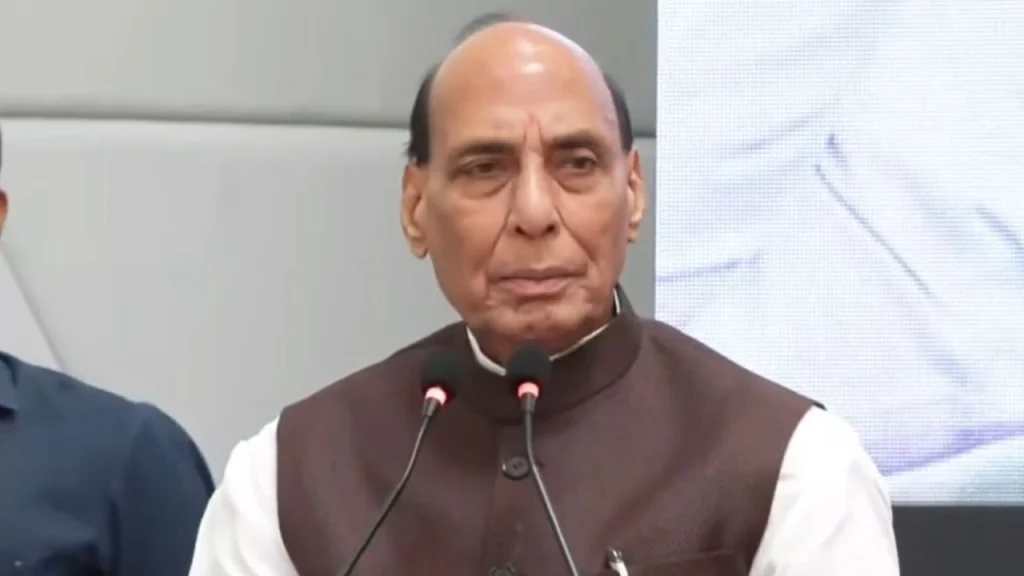
Strategic Signalling in Modern Warfare
In today’s world, warfare is not limited to physical conflict. Strategic signalling, cyber capabilities, and information warfare play a significant role.
Rajnath Singh warned Pakistan as part of this broader landscape, where messages themselves can act as deterrents.
Such signalling helps prevent conflicts by clearly outlining consequences. Rajnath Singh warned Pakistan in a way that serves this purpose.
The Road Ahead
Looking forward, India’s approach to national security will likely continue to emphasize strength, preparedness, and strategic communication.
Rajnath Singh warned Pakistan, setting the tone for future interactions and policies.
The focus will remain on safeguarding sovereignty while promoting stability in the region. Rajnath Singh warned Pakistan as part of this ongoing effort.
Conclusion: A Message That Resonates
Rajnath Singh’s statement is more than just a warning—it is a reflection of India’s evolving defence strategy and its commitment to national security.
By choosing his words carefully, he managed to send a strong message without escalating tensions unnecessarily.
Rajnath Singh warned Pakistan and, in doing so, reinforced India’s position as a nation that values peace but stands ready to defend itself at all costs.
In a region where every word carries weight, such statements play a crucial role in shaping the future. Rajnath Singh warned Pakistan, and the message continues to resonate across borders and beyond.
Read more latest news

