

Raghav Demanded from the Government: A Call for Justice for Indians Injured Soldiers
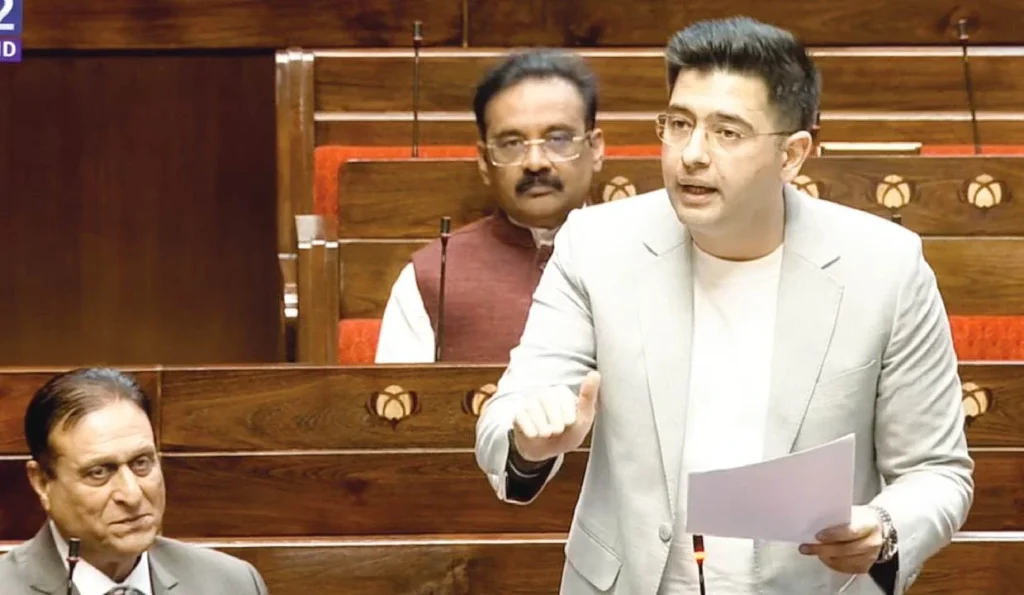
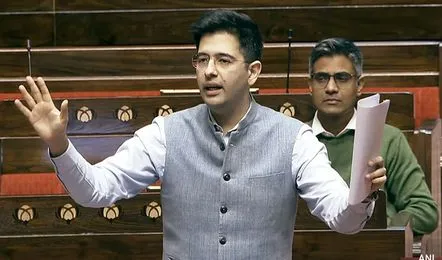
Raghav demanded from the government In a powerful and emotionally charged discussion in Parliament, Raghav Chadha raised a critical issue concerning the welfare of India’s injured soldiers. As Raghav demanded from the government, he urged policymakers to grant full income tax exemption on disability pensions for all injured soldiers, regardless of whether they have been discharged from service or continue to serve. His speech struck a chord across political lines, highlighting a long-standing issue that affects the lives of countless brave individuals who have sacrificed their health in service to the nation.
The Core of the Issue
As Raghav demanded from the government, he pointed out a glaring disparity in the current policy framework. Under existing rules, only those soldiers who are declared unfit and discharged from service are eligible for full tax exemption on their disability pensions. However, those who continue to serve despite their injuries do not receive the same benefit.
This discrepancy, as Raghav demanded from the government, raises serious questions about fairness and equality. Soldiers who remain in service often do so out of dedication and a sense of duty, even when they are physically compromised. Denying them equal financial relief, Chadha argued, amounts to penalizing their commitment.
A Question of Equality
During his speech, Raghav demanded from the government that the principle of equality be upheld in matters concerning the armed forces. He emphasized that all injured soldiers, regardless of their service status, endure similar physical and emotional challenges. Therefore, they deserve equal recognition and support from the state.
The argument that Raghav demanded from the government is rooted in the idea that policies should not create artificial divisions among those who have already sacrificed so much. By limiting tax exemptions to a specific category, the current system inadvertently discriminates against a significant number of injured soldiers.
The Emotional Weight of Service
As Raghav demanded from the government, he also highlighted the emotional and psychological toll that injuries take on soldiers. Beyond the physical pain, injured soldiers often face long-term mental health challenges, including trauma and stress. Financial burdens can exacerbate these difficulties, making it even more important for the government to provide adequate support.
The heartfelt appeal that Raghav demanded from the government resonated with many, as it brought attention to the human side of military service. These are individuals who have risked their lives for the country, and their well-being should be a national priority.
Policy Gaps and the Need for Reform
One of the key points Raghav demanded from government was the urgent need to address policy gaps that have persisted for years. The current rules, he argued, are outdated and fail to reflect the realities faced by modern soldiers.
As Raghav demanded from the government, he called for a comprehensive review of the taxation system related to disability pensions. Such a review would ensure that policies are aligned with the principles of fairness, justice, and inclusivity.
Voices of Support
The issue raised as Raghav demanded from government has garnered support from various quarters, including veterans’ organizations and civil society groups. Many have echoed his concerns, pointing out that the existing policy creates unnecessary hardship for injured soldiers who continue to serve.
Public opinion has also been largely supportive of the stance that Raghav demanded from the government. Citizens recognize the sacrifices made by the armed forces and believe that they deserve the highest level of support and respect.
The Role of Parliament
The debate in Parliament where Raghav demanded from the government underscores the importance of legislative platforms in addressing critical social issues. Parliament serves as a forum where voices can be raised, and policies can be scrutinized.
By bringing this issue to the forefront, Raghav demanded from the government has initiated a conversation that could lead to meaningful change. It is now up to lawmakers to consider the proposal and take appropriate action.

Economic Implications
While discussing the financial aspects, Raghav demanded from the government clarified that the cost of extending tax exemptions to all injured soldiers would be relatively small compared to the benefits it would provide. Supporting injured soldiers is not just a moral obligation but also an investment in the nation’s values.
The perspective that Raghav demanded from the government challenges the notion that such measures are economically burdensome. Instead, it frames them as necessary steps toward building a more just and compassionate society.
Addressing Discrimination
A central theme of the argument Raghav demanded from the government is the elimination of discrimination within the system. Policies that differentiate between soldiers based on their service status can create feelings of inequality and resentment.
By advocating for uniform benefits, Raghav demanded from the government aims to ensure that all injured soldiers are treated with the same level of respect and dignity. This approach aligns with the broader principles of justice and human rights.
The Human Stories Behind the Policy
Behind the policy debate that Raghav demanded from government are countless personal stories of courage and sacrifice. Injured soldiers often face significant challenges in their daily lives, from mobility issues to ongoing medical treatment.
As Raghav demanded from the government, he brought attention to these stories, reminding policymakers that their decisions have real-world consequences. Addressing these challenges requires empathy and a commitment to meaningful change.
A Call for Immediate Action
The urgency of the situation was evident as Raghav demanded from the government that immediate steps be taken to amend the existing rules. Delays in policy reform can prolong the suffering of those who are already facing difficult circumstances.
By emphasizing the need for swift action, Raghav demanded from the government highlighted the importance of responsiveness in governance. Timely decisions can make a significant difference in the lives of injured soldiers.
Broader Implications for Society
The issue that Raghav demanded from the government extends beyond the armed forces. It reflects the values of society as a whole and the importance placed on supporting those who serve the nation.
As Raghav demanded from the government, the debate has sparked discussions about the role of the state in ensuring social justice. It serves as a reminder that policies should be inclusive and equitable.
The Way Forward
Looking ahead, the proposal that Raghav demanded from the government offers a clear path toward reform. By extending full tax exemptions to all injured soldiers, the government can address a long-standing issue and demonstrate its commitment to the welfare of the armed forces.
The vision that Raghav demanded from the government is one of fairness and inclusivity, where no soldier is left behind. Achieving this vision will require political will and collective effort.
Conclusion
The powerful appeal made by Raghav Chadha, as Raghav demanded from the government, has brought a critical issue into the national spotlight. His call for full income tax exemption on disability pensions for all injured soldiers is not just a policy proposal—it is a demand for justice and equality.
As Raghav demanded from the government, the message is clear: those who have sacrificed for the nation deserve unwavering support. The debate now shifts to policymakers, who must decide whether to act on this call and bring about meaningful change.
Ultimately, the issue that Raghav demanded from the government is a test of the nation’s commitment to its heroes. It is an opportunity to uphold the values of fairness, dignity, and respect that define a just society.
Read More latest news

