

Project Freedom: The US Will Launch a Massive Maritime Evacuation Operation in the Strait of Hormuz.
The global maritime and geopolitical landscape is witnessing a dramatic escalation as reports indicate that Project Freedom The US will launch on May 4th to evacuate stranded merchant ships from the strategically vital Strait of Hormuz. This large-scale military and humanitarian operation is being positioned as a decisive move to ensure the safety of international shipping lanes amid rising tensions in the region.
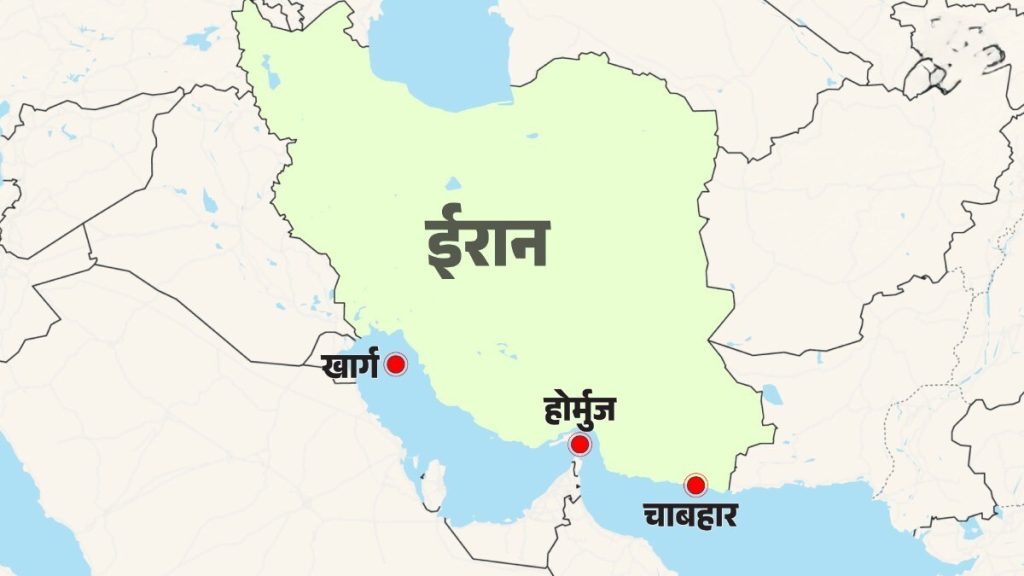
The Strait of Hormuz, a narrow yet crucial waterway between the Persian Gulf and the Arabian Sea, is one of the world’s most important chokepoints for oil and trade. With a significant percentage of global oil shipments passing through it daily, any disruption can send shockwaves across the global economy. In this tense backdrop, Project Freedom The US will launch as a coordinated mission involving 15,000 troops, advanced destroyers, and over 100 aircraft to secure safe passage for vessels belonging to neutral nations.
Understanding the Strait of Hormuz Crisis
To grasp the importance of this operation, one must first understand the significance of the Strait of Hormuz. Located between Iran and Oman, the strait serves as a critical artery for global energy supplies.
In recent months, geopolitical tensions have escalated, leading to increased risks for commercial vessels navigating the region. Reports of ships being stranded due to security concerns have prompted urgent international attention. In response, Project Freedom The US will launch as a proactive measure to prevent a potential maritime crisis from spiraling out of control.
What Is Project Freedom?
At its core, Project Freedom is a large-scale evacuation and security operation led by the United States Armed Forces. The mission is designed to escort and evacuate merchant ships from neutral countries that are currently unable to safely pass through the Strait of Hormuz.
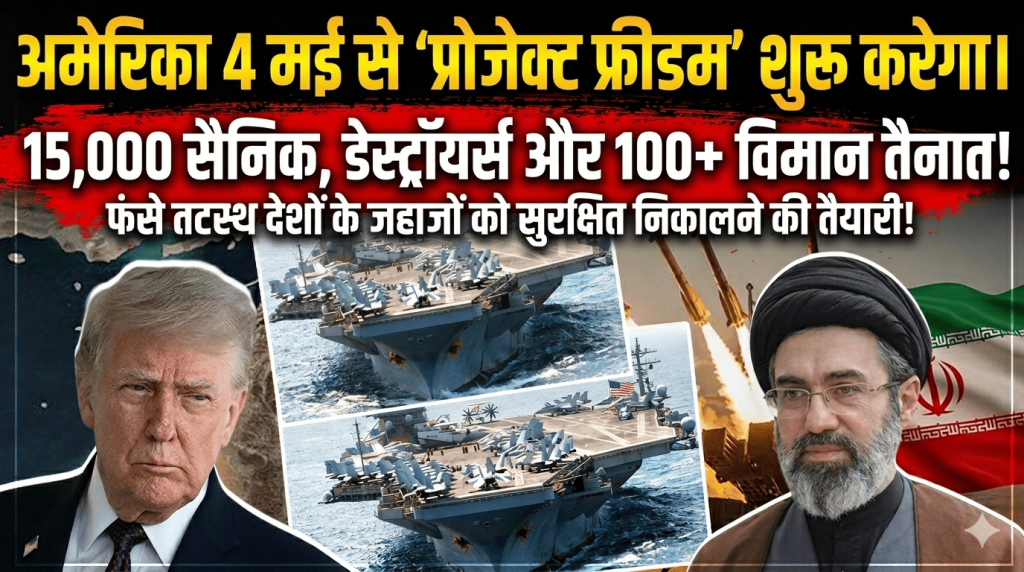
The announcement that Project Freedom The US will launch has already captured global headlines, highlighting the scale and urgency of the situation. With 15,000 troops, multiple naval destroyers, and over 100 aircraft involved, the operation reflects a significant deployment of military resources.
This initiative is not just about evacuation; it is also about restoring confidence in international shipping routes. By ensuring safe passage, the United States aims to stabilize global trade flows and prevent economic disruptions.
Military Deployment and Strategy
The operational scale of Project Freedom is immense. When Project Freedom The US will launch, it will involve a carefully coordinated effort across air, sea, and intelligence units.
Naval Forces
Advanced destroyers will play a central role in escorting merchant ships through potentially hostile waters. These vessels are equipped with state-of-the-art defense systems capable of countering threats such as missiles, drones, and fast attack boats.
Air Support
More than 100 aircraft, including surveillance planes and fighter jets, will provide aerial cover. Their role will be to monitor the region, detect potential threats, and ensure the নিরাপত্তा (security) of the evacuation process.
Ground Troops
The deployment of 15,000 troops underscores the seriousness of the mission. These forces will be responsible for operational coordination, intelligence analysis, and rapid response in case of emergencies.
Together, these elements form a comprehensive strategy aimed at minimizing risks and ensuring a successful evacuation. It is clear that Project Freedom The US will launch as one of the most significant maritime operations in recent years.
Humanitarian and Economic Implications
While Project Freedom is a military operation, it also carries strong humanitarian and economic dimensions. Hundreds of merchant ships, many carrying essential goods, have been stranded due to rising tensions.
By ensuring their safe evacuation, Project Freedom The US will launch aims to:
- Protect the lives of thousands of sailors and crew members
- Prevent supply chain disruptions
- Stabilize global oil and commodity markets
- Reinforce international maritime law
The economic stakes are particularly high. Any prolonged disruption in the Strait of Hormuz can lead to spikes in oil prices, affecting economies worldwide. Thus, the success of this mission is crucial not just for the region but for the global economy.
Geopolitical Reactions
The announcement that Project Freedom The US will launch has triggered varied reactions across the international community.
Support from Allies
Several allied nations have expressed support for the initiative, viewing it as a necessary step to maintain freedom of navigation. Countries dependent on oil imports are particularly invested in the operation’s success.
Concerns from Regional Powers
At the same time, regional dynamics remain complex. Iran, which borders the Strait of Hormuz, may perceive the operation as a strategic challenge. This adds an additional layer of tension to an already volatile situation.
Global Observations
International organizations and observers are closely monitoring developments. The success or failure of Project Freedom could set a precedent for future maritime interventions.
Risks and Challenges
Despite its scale, the mission is not without risks. When Project Freedom The US will launch, it will face several challenges:
- Potential military confrontation
- Navigational hazards in a congested waterway
- Coordination complexities among multiple units
- Political sensitivities in the region
Ensuring the safety of both military personnel and civilian vessels will require precise execution and constant vigilance.

Historical Context of Maritime Operations
Project Freedom is not the first operation of its kind. The United States and its allies have previously conducted missions to secure maritime routes, particularly in regions affected by piracy or conflict.
However, the scale and urgency of this mission make it unique. As Project Freedom The US will launch, it reflects a shift toward more proactive intervention in protecting global trade routes.
Impact on Global Trade and Energy Markets
The Strait of Hormuz handles a significant portion of the world’s oil exports. Any disruption can lead to immediate consequences for global markets.
By ensuring safe passage, Project Freedom The US will launch aims to:
- Maintain steady oil supply
- Prevent price volatility
- Ensure continuity of international trade
For countries heavily dependent on energy imports, this operation is of critical importance.
Media Coverage and Public Perception
The global media has extensively covered the announcement that Project Freedom The US will launch, framing it as a decisive and high-stakes operation.
Public perception, however, varies. While many see it as a necessary step to ensure safety and stability, others view it as a potential escalation of military presence in the region.
Managing this perception will be crucial for the United States as the operation unfolds.
Future Implications
Looking ahead, the success of Project Freedom could have long-term implications for international maritime policy. If successful, it may:
- Strengthen global cooperation on maritime security
- Set a precedent for rapid-response operations
- Reinforce the role of military forces in protecting trade routes
As Project Freedom The US will launch, it could redefine how nations respond to threats in critical waterways.
Conclusion
The announcement that Project Freedom The US will launch marks a significant moment in global geopolitics and maritime security. With thousands of troops, advanced naval assets, and extensive air support, the operation represents a comprehensive effort to address a complex crisis.
As the world watches closely, the success of this mission will depend on careful planning, precise execution, and effective coordination. Beyond its immediate objectives, Project Freedom carries broader implications for global trade, security, and international cooperation.
In a world increasingly defined by interconnected economies and shared challenges, operations like Project Freedom highlight the importance of collective action. Whether it succeeds in achieving its goals remains to be seen, but one thing is certain: Project Freedom The US will launch as a defining chapter in the ongoing story of global maritime security.
Read more latest news

