
PM Modi Said – We Are the Fastest Economy, The Whole World Has Seen the Face of New India.
Introduction: The Voice of Confidence from India’s Leadership fastest economy
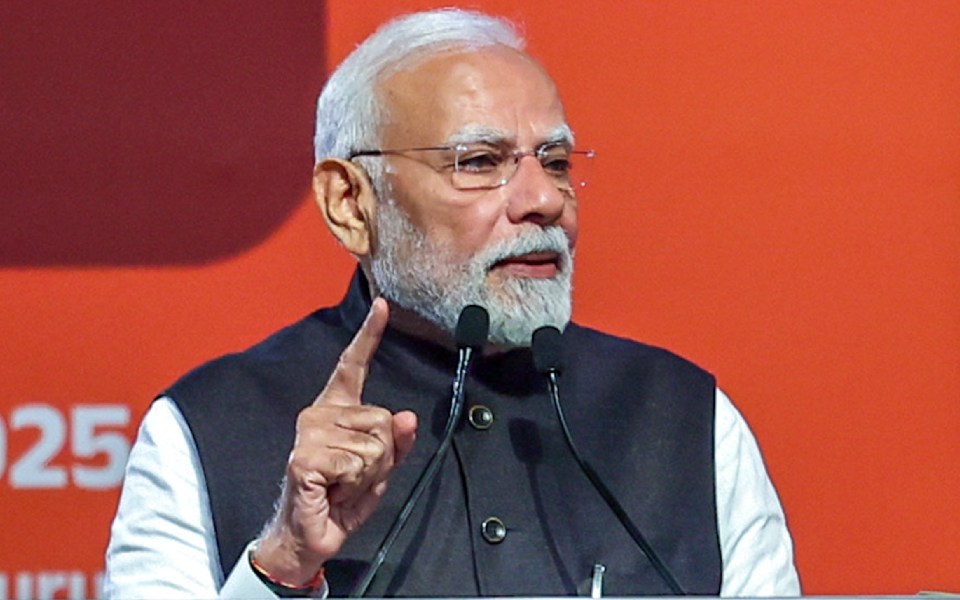
PM Modi said- We are the fastest economy, the whole world has seen the face of new India… Prime Minister Narendra Modi, addressing the nation and the global community, made a strong and confident statement: “We are the fastest economy, the whole world has seen the face of new India…”.
This declaration comes at a time when India’s growth trajectory has become a talking point not only in domestic political discourse but also in international economic circles.
In a world grappling with post-pandemic recovery, geopolitical tensions, and climate challenges, India’s economic story is being closely observed. For PM Modi, this statement is more than just a political remark — it is a reflection of the transformation India claims to have undergone over the past decade.
India’s Economic Growth: A Statistical Snapshot
When PM Modi refers to India as the fastest-growing economy, it is backed by data fastest economy.
- According to IMF and World Bank projections, India’s GDP growth rate for FY 2024–25 is expected to be between 6.5% and 6.8%, the highest among major economies.
- In comparison, China’s growth rate is slowing, while developed nations like the US, UK, Germany, and Japan are seeing sub-3% growth rates.
- India’s GDP in nominal terms has crossed $4 trillion (as per latest estimates), making it the fifth-largest economy in the world — and in PPP terms, the third-largest.
The Transformation: From ‘Fragile Five’ to Global Leader
In 2013, India was labeled as part of the “Fragile Five” economies vulnerable to economic instability. Fast forward a decade, and the same country is being praised as a pillar of global growth.
This shift is due to:
- Macroeconomic stability: Better control over inflation and fiscal deficit.
- Reform-driven governance: GST rollout, Insolvency and Bankruptcy Code, and deregulation in multiple sectors.
- Digital revolution: UPI, Jan Dhan Yojana, Aadhaar integration, and widespread internet penetration.
Reforms & Policies That Powered the Growth
PM Modi’s government has introduced several economic reforms that have contributed to this growth story:
- Goods and Services Tax (GST) – Unified the national market, reduced tax complexity, and increased compliance.
- Make in India & Production Linked Incentive (PLI) – Attracted global manufacturers to set up base in India, particularly in electronics, mobile phones, and pharmaceuticals.
- Infrastructure Development – Expansion of expressways, modernized railways, metro projects, and smart cities.
- Digital India – Bridging the digital divide, enabling e-governance, and boosting fintech adoption.
- Startup India – Encouraging entrepreneurship and creating a robust startup ecosystem, now the third-largest in the world.
Sectors Driving India’s Economic Boom
While services continue to be the backbone of the economy, new growth engines are emerging:
- IT & ITES: Companies like Infosys, TCS, and Wipro continue to lead globally.
- Manufacturing: Mobile phone production has made India a global hub, with exports to multiple countries.
- Renewable Energy: Solar and wind projects positioning India as a leader in clean energy transition.
- Agriculture: Reforms in agri-marketing, digital crop monitoring, and exports of rice, wheat, and spices.
- Defense Production: ‘Atmanirbhar Bharat’ push in defense manufacturing reducing import dependence.
The Face of New India on the Global Stage
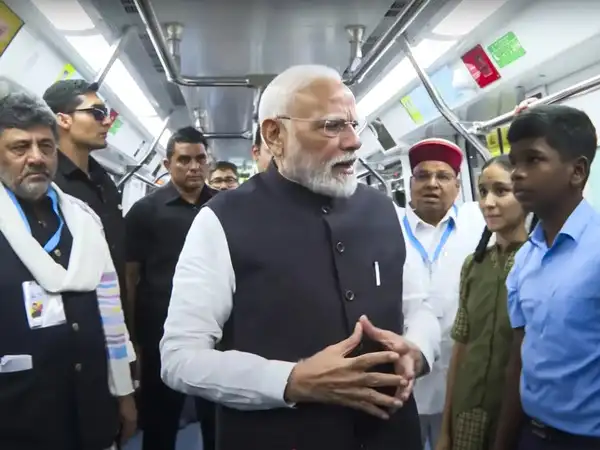
When PM Modi speaks of the face of new India, he refers to a confident, assertive, and economically influential nation. India’s global image has been boosted by:
- G20 Presidency 2023: Hosting world leaders and showcasing cultural heritage alongside economic progress.
- Diplomatic Balance: Maintaining strategic partnerships with the US, Russia, Europe, and Asian neighbors.
- Global Aid Contributor: Supplying COVID-19 vaccines to over 100 countries under ‘Vaccine Maitri’.
- Trade Negotiations: Pursuing Free Trade Agreements (FTAs) with the UK, EU, and Australia.
Challenges That Cannot Be Ignored
Despite the celebratory tone, India faces structural challenges:
- Unemployment: Youth joblessness remains a pressing concern.
- Income Inequality: Growth benefits are unevenly distributed.
- Rural Distress: Agriculture still struggles with low productivity and climate impact.
- Environmental Concerns: Industrial growth needs to be balanced with sustainability goals.
Public Reactions and Political Impact
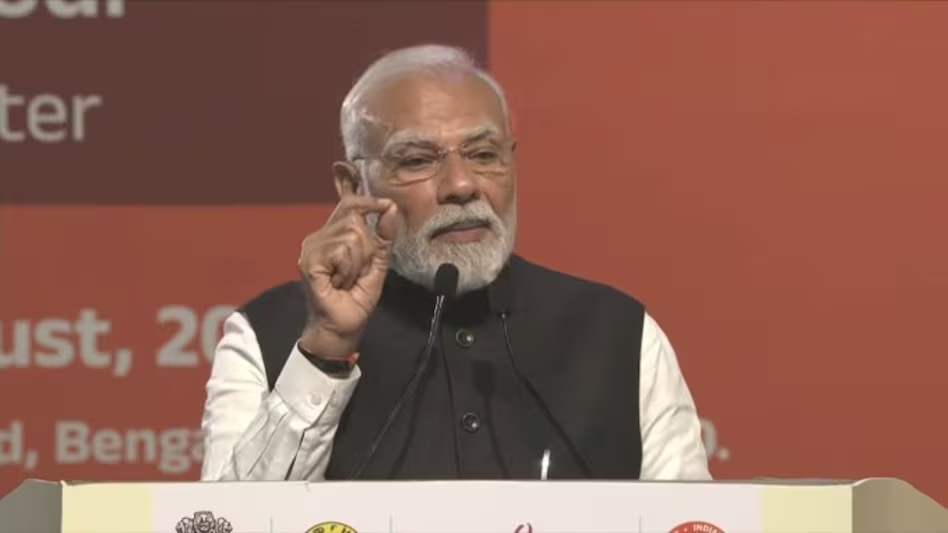
Modi’s statement resonates strongly with his support base, reinforcing the narrative of India’s economic rise under BJP leadership.
- Supporters view it as proof of effective governance and visionary leadership.
- Critics argue that while macroeconomic indicators are strong, the everyday reality for many Indians — in terms of wages, inflation, and quality of life — still needs attention.
Conclusion: The Road Ahead
PM Modi’s claim that the whole world has seen the face of new India is both a celebration of achievements and a political declaration ahead of electoral contests.
The global perception of India as a fast-growing, investment-friendly, and diplomatically agile nation is real. However, the challenge will be to ensure that growth is inclusive, sustainable, and resilient in the face of global economic uncertainties.
India’s journey from a developing economy to a global powerhouse is underway. Whether the face of new India continues to shine brightly will depend on policy continuity, innovation, and the ability to address the socio-economic challenges that still lie ahead.
Read more latest news

