

In Nangarhar and Paktika, Only Tears and Dust Remain: Aftermath of Cross-Border Strikes
The Shadow Over Eastern Afghanistan
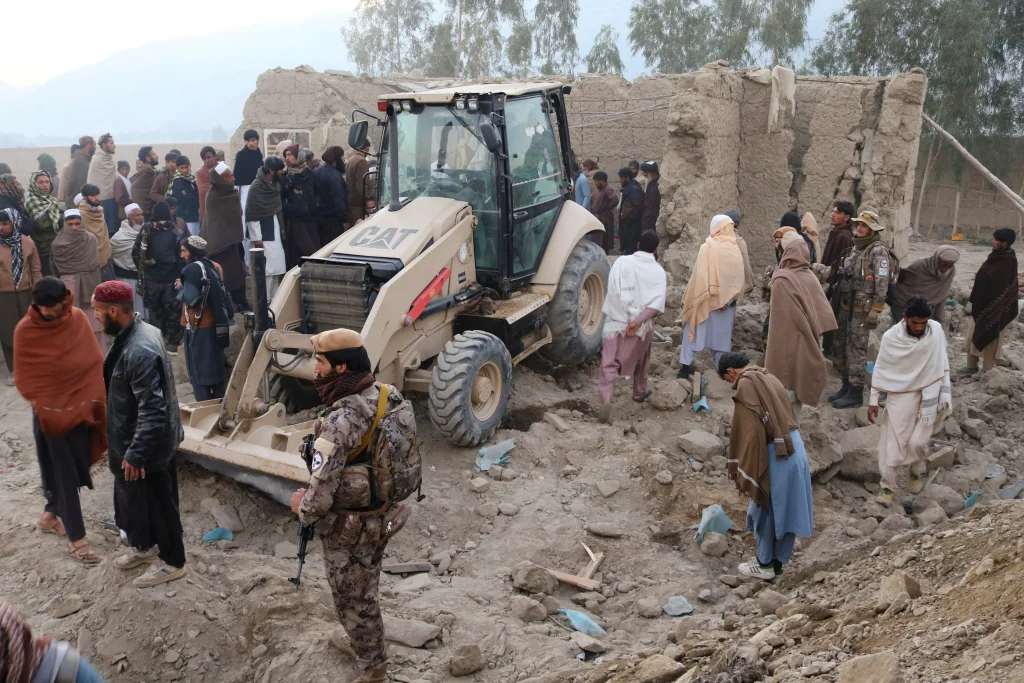
In the eastern provinces of Nangarhar and Paktika, grief hangs heavier than the dust that now coats broken homes and shattered courtyards. Villagers speak in hushed tones. Mothers clutch photographs. Children stare blankly at the ruins where their bedrooms once stood. The earth has been disturbed not only by explosions but by hurried burials. In some areas, JCB machines have been used to dig graves because there were simply too many bodies to lay to rest by hand.
Across the border, Pakistan maintains a firm position. Pakistan claims attacked terrorist hideout locations inside Afghan territory. Islamabad insists the operation was precise, targeted, and necessary for national security. Yet on the ground in Nangarhar and Paktika, families insist that civilians paid the highest price.
This tragedy has reignited debate about cross-border strikes, sovereignty, and the fragile stability of a region already scarred by decades of war.
A Night of Fire and Fear
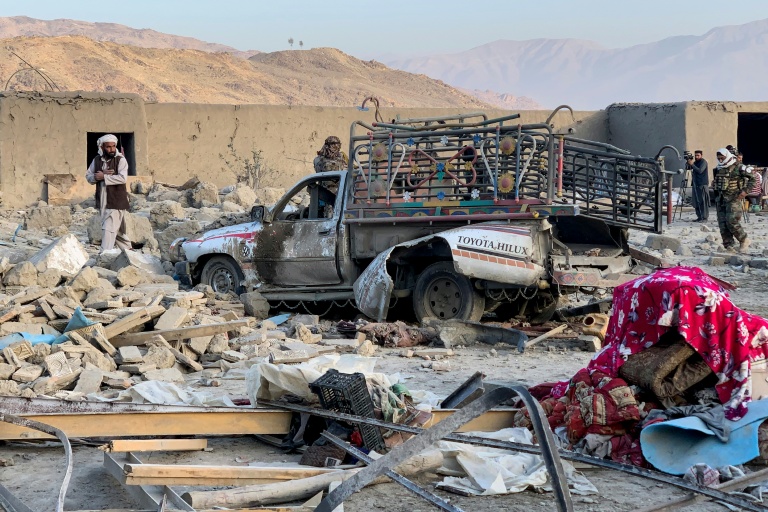
Witnesses describe a night shattered by the sound of aircraft overhead and sudden blasts that lit up the mountains. In rural Paktika, elders say the explosions came without warning. Homes constructed from mud and stone crumbled in seconds. Livestock was killed. Water wells collapsed.
By dawn, the devastation was clear.
Villagers claim entire families were wiped out. In some hamlets, only a few survivors remain to recount the horror. Meanwhile, Pakistan claims attacked terrorist hideout compounds believed to shelter militants responsible for cross-border violence. Officials argue the strikes were intelligence-based and aimed at neutralizing threats before they could strike inside Pakistan.
However, Afghan locals argue that the bombs did not discriminate between fighters and families. The grief etched on their faces tells a different story from official briefings.
Mass Graves and Mechanical Diggers
Perhaps the most haunting images from Nangarhar and Paktika are those of excavators digging long trenches for burials. Community leaders say there were too many dead and too little time. Religious rites were shortened. Graves were dug quickly as fear of further strikes loomed overhead.
In several villages, survivors say they could not even identify all the victims immediately. Pakistan claims attacked terrorist hideout infrastructure, but local testimonies suggest that residential compounds were also hit.

The sight of mechanical diggers carving into the soil has become symbolic of the scale of loss. Funerals that would normally gather hundreds were subdued, hurried, and overshadowed by uncertainty.
Islamabad’s Position
From Islamabad’s perspective, security concerns are paramount. Pakistan claims attacked terrorist hideout bases that were allegedly being used to plan assaults on Pakistani soil. Officials argue that repeated warnings had been issued and that action became unavoidable.
According to security briefings, the targets were linked to militant networks accused of orchestrating violence across the border. Pakistan claims attacked terrorist hideout positions with precision munitions to minimize civilian harm.
Authorities further emphasize that sovereignty concerns must be balanced against the right to self-defense. In this narrative, the strikes were preventive, not punitive.
Yet critics question whether sufficient measures were taken to verify civilian presence.
Kabul’s Response
Afghan authorities have condemned the strikes as violations of sovereignty. They argue that unilateral action undermines diplomatic channels. Community elders in Nangarhar and Paktika echo that sentiment, saying they were never warned.
While Pakistan claims attacked terrorist hideout facilities, Afghan officials say investigations are needed to determine the true identity of those killed.
The diplomatic tension adds another layer of uncertainty to an already volatile border region.
Civilians Caught in the Crossfire
For decades, eastern Afghanistan has been a battleground for various armed groups. Civilians often find themselves trapped between militants and state actors. The latest strikes are a grim reminder of that painful reality.
Survivors recount stories of children pulled from rubble, of fathers digging through debris with bare hands before JCBs arrived. Pakistan claims attacked terrorist hideout networks, but grieving families insist their loved ones were farmers, shopkeepers, and students.
Humanitarian organizations warn that displacement could increase if cross-border tensions continue. Schools have reportedly closed in some areas due to fear of further attacks.
The Broader Security Context
The Afghanistan–Pakistan border has long been porous and contentious. Militant groups have exploited rugged terrain to move between the two countries. Islamabad has frequently accused elements within Afghanistan of harboring anti-Pakistan militants.
In this context, Pakistan claims attacked terrorist hideout sanctuaries as part of a broader counterterrorism strategy. Security analysts note that such operations are not unprecedented, but each instance risks escalation.
The fragile balance between national security and regional stability hangs in the balance.
Humanitarian Fallout
Medical clinics in the affected districts are reportedly overwhelmed. Aid workers describe shortages of medicine and trauma supplies. Families who lost breadwinners now face uncertain futures.
Pakistan claims attacked terrorist hideout targets with precision, yet humanitarian workers stress that even precise strikes can devastate tightly packed rural communities.
Psychological trauma is another invisible casualty. Children who survived now wake at the faintest sound. Parents struggle to explain why their homes became battlegrounds.
Competing Narratives
In modern conflicts, narratives travel as fast as missiles. Pakistan claims attacked terrorist hideout camps to prevent imminent attacks. Afghan villagers share videos of destroyed homes and injured civilians.
Both sides present evidence to support their claims. Independent verification, however, remains challenging due to limited access and security risks.
The truth may lie somewhere amid conflicting accounts, but for grieving families, the debate feels distant from their immediate suffering.
International Reaction
Global human rights organizations have called for restraint and investigation. They emphasize the importance of protecting civilians under international humanitarian law.
Pakistan claims attacked terrorist hideout facilities in self-defense, a justification recognized under certain international frameworks. However, critics argue that transparency and accountability are essential.
Diplomatic channels between Kabul and Islamabad remain tense, with calls for dialogue growing louder.
A Region Weary of War
Nangarhar and Paktika have endured decades of conflict, from foreign invasions to insurgencies. Each new strike reopens old wounds.
Pakistan claims attacked terrorist hideout networks as part of an ongoing security campaign. But villagers say peace feels perpetually out of reach.
Elders recall times when cross-border trade and family ties flourished. Today, fear overshadows those memories.
The Path Forward
Sustainable peace in the region will require more than military operations. Dialogue, intelligence cooperation, and humanitarian support are critical.
Pakistan claims attacked terrorist hideout compounds to secure its borders, yet stability ultimately depends on collaborative solutions.
Confidence-building measures could help prevent future tragedies. Transparent investigations may offer some clarity, though they cannot undo the loss already suffered.
Conclusion Dust Settles Grief Remains
As the dust settles over Nangarhar and Paktika, the scars remain visible—on the land and in the hearts of survivors. Pakistan claims attacked terrorist hideout targets in pursuit of security objectives. Afghan villagers mourn loved ones and question the cost.
The mechanical hum of JCBs digging graves will echo in memory long after headlines fade. Whether viewed through the lens of national defense or humanitarian tragedy, the events in eastern Afghanistan underscore a painful truth: in war’s shadow, civilians often bear the heaviest burden.
The world now watches to see whether diplomacy can replace destruction, and whether the next chapter for Nangarhar and Paktika will be written in rebuilding rather than ruin.
Read More latest news

