
Did Nitish Kumar Target Rabri Devi? Bihar Assembly Uproar Explained in Detail
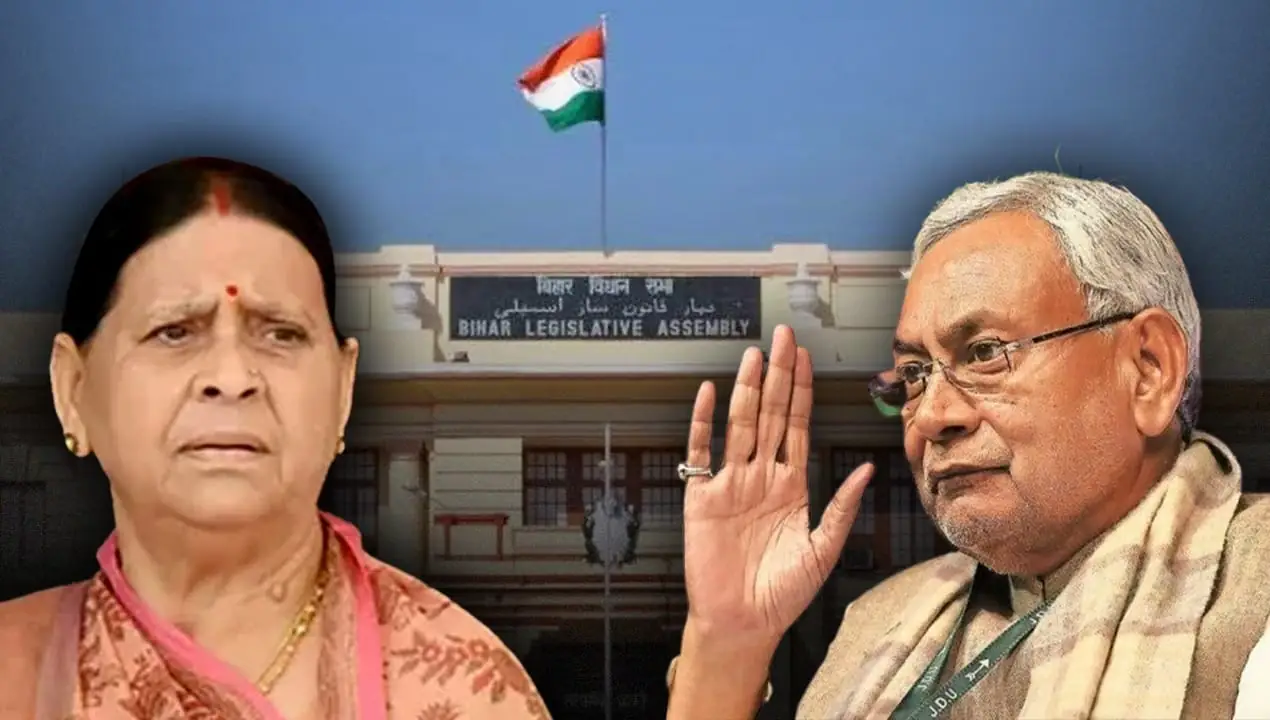
The political atmosphere in Bihar has once again heated up after dramatic scenes unfolded in the state विधानसभा. As soon as the Bihar Assembly proceedings began, loud slogans echoed across the House. RJD women MLAs, led by former Chief Minister Rabri Devi, protested aggressively over the deteriorating law and order situation in the state. What followed sparked a fresh political debate: did Nitish Kumar target Rabri Devi during this confrontation, or was it a general response to opposition disruption?
This question has now become the center of Bihar’s political discourse, with parties, analysts, and the public interpreting the incident in different ways. To understand the full picture of whether Nitish Kumar target Rabri Devi, it is important to look at the background, the events inside the House, and the broader political context.
The Bihar Assembly Turns Turbulent
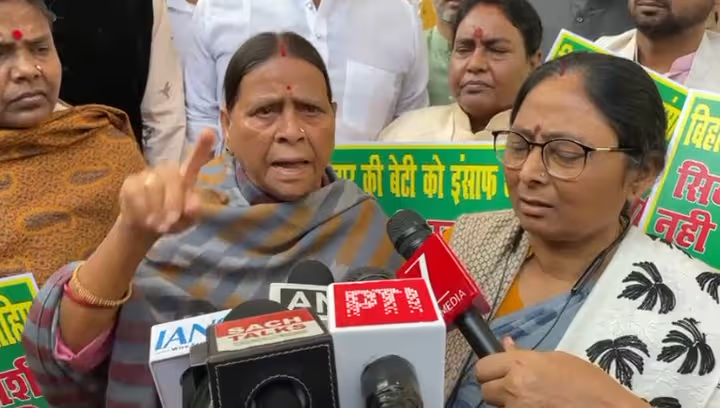
The Bihar Assembly has often been a stage for high-voltage political drama, but the latest session crossed new limits. As soon as proceedings began, RJD women legislators stood up from their seats and started raising slogans. Led by Rabri Devi, the protest focused on crimes against women, rising incidents of violence, and what the opposition described as a complete collapse of law and order.
Television visuals showed RJD MLAs marching towards the well of the House, holding placards and chanting slogans. The situation became so noisy that normal proceedings could not continue. It was at this point that Chief Minister Nitish Kumar intervened, expressing strong displeasure. His sharp remarks led to speculation that Nitish Kumar target Rabri Devi directly during the exchange.
Who Is Rabri Devi and Why Her Leadership Matters
Rabri Devi is not just another opposition leader. She served as Bihar’s Chief Minister during a crucial period and is considered a symbol of RJD’s political legacy. Her presence leading women MLAs adds both political and emotional weight to the protest. This is why the question of whether Nitish Kumar target Rabri Devi has become so sensitive.
For RJD supporters, any criticism directed at Rabri Devi is seen as an attack on their party’s identity. For JD(U) supporters, Nitish Kumar’s remarks were aimed at restoring order, not at any individual.
Nitish Kumar Reaction in the House
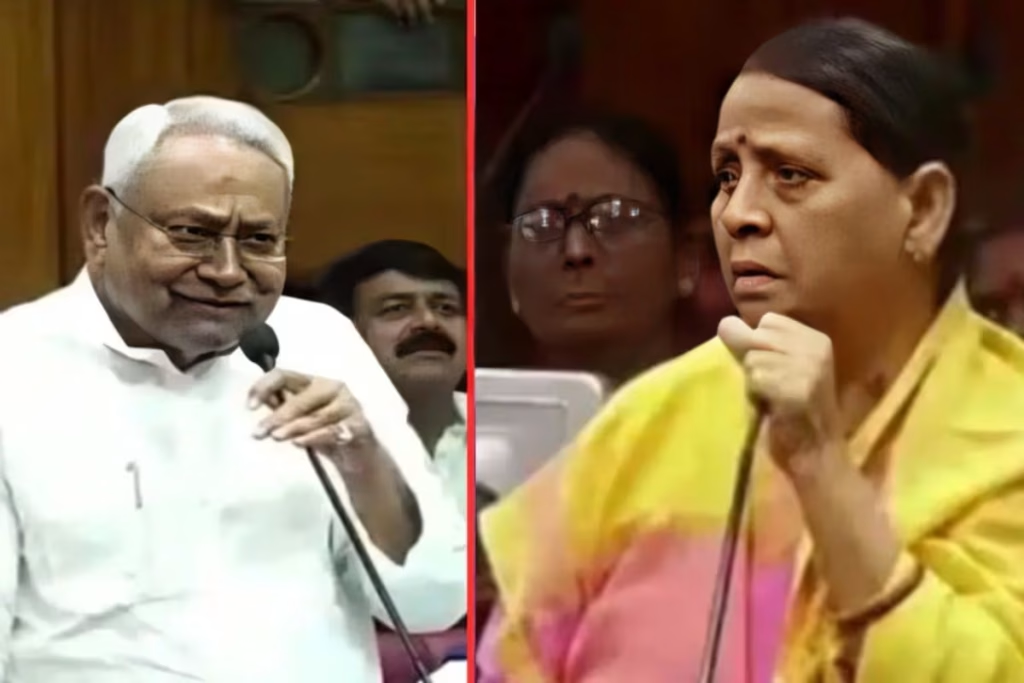
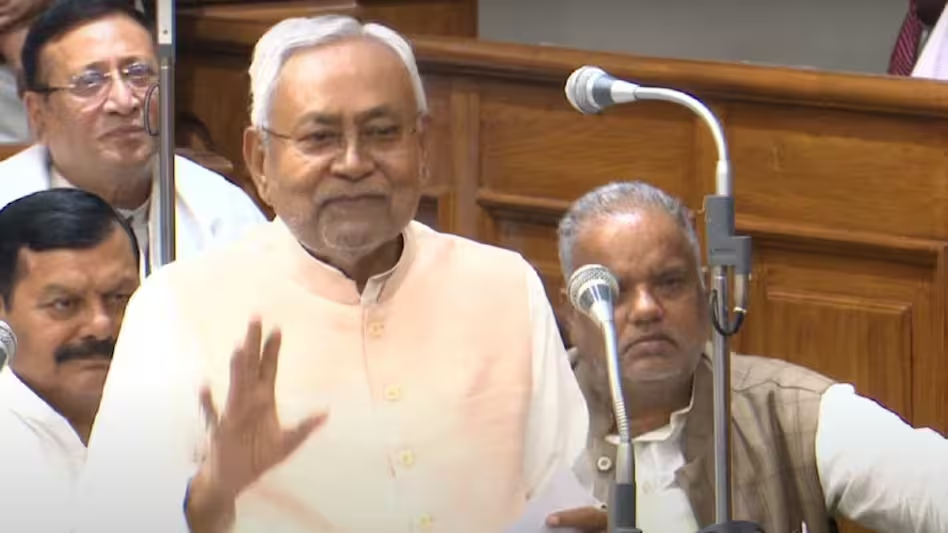
As Chief Minister, Nitish Kumar responded firmly to the disruption. He accused the opposition of deliberately creating chaos and not allowing democratic proceedings to function. In a visibly irritated tone, he said that such behavior was disrespectful to the Assembly.
Opposition leaders quickly claimed that Nitish Kumar target Rabri Devi with his words and body language. JD(U), however, denied this interpretation, stating that the Chief Minister was addressing the entire protesting group, not singling out anyone.
Law and Order: The Core Issue of the Protest
At the heart of the uproar was the issue of law and order. RJD leaders alleged that crime rates have increased, women feel unsafe, and the government has failed to control the situation. They argued that their protest was justified and necessary.
The government countered these claims by presenting data and asserting that law and order is under control. According to JD(U), the protest was politically motivated, especially with elections in mind. Still, the narrative that Nitish Kumar target Rabri Devi began gaining traction soon after the incident.
Political Interpretations and Allegations
RJD leaders were quick to allege that the Chief Minister’s remarks were disrespectful, especially towards a senior woman leader. They repeatedly claimed that Nitish Kumar target Rabri Devi intentionally to suppress the opposition’s voice.
On the other hand, JD(U) leaders said that the opposition was trying to gain sympathy by personalizing the issue. They insisted that Nitish Kumar’s comments were institutional, not personal.
Gender and Power in Bihar Politics
The incident has also reopened discussions on gender and power in Bihar politics. When women legislators protest, reactions are often scrutinized more intensely. This is why the claim that Nitish Kumar target Rabri Devi resonated strongly among women voters and activists.
Some political analysts believe that the optics of the situation mattered more than the intent. Even if Nitish Kumar did not mean to single her out, the perception that Nitish Kumar target Rabri Devi has already influenced public debate.
A History of Political Rivalry
Nitish Kumar and the RJD share a long and complicated political history. From alliances to bitter separations, their relationship has seen many twists. Rabri Devi, as a prominent RJD face, represents that rivalry.
Given this background, it is not surprising that any confrontation is viewed through a political lens. Many observers feel that the narrative that Nitish Kumar target Rabri Devi fits into this long-standing rivalry.
Media Coverage and Public Reaction
Media channels repeatedly played clips of the Assembly uproar, analyzing every word and gesture. Social media platforms were flooded with debates, memes, and hashtags questioning whether Nitish Kumar target Rabri Devi.
Public opinion remains divided. While some feel the Chief Minister crossed a line, others believe the opposition exaggerated the incident for political gain.
Impact on Governance and Democracy
Assembly disruptions raise serious questions about governance. When protests overshadow discussions, important legislative work suffers. The controversy over whether Nitish Kumar target Rabri Devi has further shifted focus away from policy issues.
Experts argue that both the government and opposition share responsibility. Constructive debate, not chaos, strengthens democracy.
Opposition Unity and Political Strategy
For the RJD, the incident has become a rallying point. Leaders are using the claim that Nitish Kumar target Rabri Devi to unite cadres and energize supporters. It also helps frame the government as intolerant of dissent.
JD(U), meanwhile, is focusing on defending Nitish Kumar’s image as a disciplined and development-oriented leader.
The Role of Perception in Politics
In politics, perception often outweighs facts. Whether or not Nitish Kumar target Rabri Devi intentionally, the perception that he did has already shaped narratives. This perception can influence voter behavior, especially among women and marginalized groups.
What Lies Ahead for Bihar Politics
As Bihar moves closer to future elections, such incidents are likely to increase. The Assembly uproar and the debate over whether Nitish Kumar target Rabri Devi will be remembered as part of a larger political battle.
Both sides will continue to use the incident to strengthen their respective narratives.
Conclusion: Was Rabri Devi Really Targeted?
So, did Nitish Kumar target Rabri Devi? The answer depends on perspective. The opposition sees a deliberate attempt to silence a senior woman leader. The government sees a Chief Minister enforcing discipline in the House.
What is clear is that the controversy has added another chapter to Bihar’s intense political story. Whether intentional or not, the belief that Nitish Kumar target Rabri Devi has already left its mark on public discourse, reminding everyone that in politics, words spoken in the heat of the moment can echo far beyond the Assembly walls.
Read more latest news

