
New Virus Outbreak of Human Metapneumovirus in China:
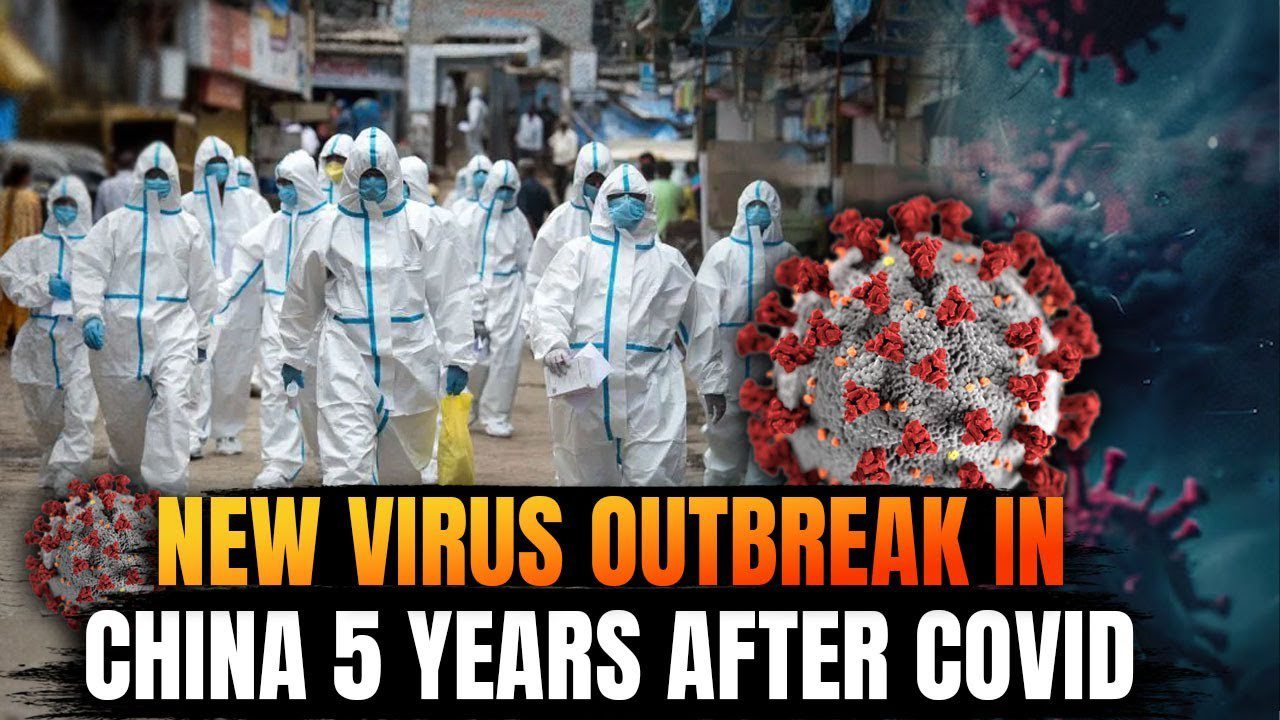
New Virus Outbreak In an unsettling echo of the events of late 2019, China is once again grappling with the emergence of a new viral outbreak. This time, the cause is the human metapneumovirus (HMPV), which has reportedly triggered widespread concern and a declared state of emergency in several regions. The outbreak comes five years after the COVID-19 pandemic reshaped the world, bringing back memories of lockdowns, economic turmoil, and public health crises.
While HMPV is not an entirely new virus, its rapid spread and impact on vulnerable populations have raised alarm bells globally. This blog explores the nature of the virus, the current situation in China, and the implications for global health.
What is Human Metapneumovirus (HMPV)?
Discovery and Background
Human metapneumovirus was first identified in 2001 in the Netherlands. It belongs to the same family as respiratory syncytial virus (RSV) and is known to cause respiratory infections. Studies have shown that HMPV has been circulating in humans for decades and is a leading cause of acute respiratory infections, especially in children, the elderly, and immunocompromised individuals.
Symptoms and Transmission
HMPV infections often mimic other respiratory illnesses, making it challenging to diagnose without specific laboratory tests. Common symptoms include:
- Fever
- Cough
- Nasal congestion
- Shortness of breath
- Fatigue
Severe cases can lead to pneumonia and bronchitis, particularly in high-risk groups. The virus spreads through:
- Respiratory droplets from coughing or sneezing
- Direct contact with contaminated surfaces
- Close contact with infected individuals
Global Prevalence
While HMPV has been reported worldwide, it typically causes seasonal outbreaks, much like the flu. However, the current situation in China suggests an unusual increase in cases and severity, prompting heightened vigilance.
The Current Situation in China
Outbreak Details
Reports from China indicate that HMPV infections have surged in several provinces, with hospitals overwhelmed by patients presenting respiratory symptoms. Pediatric wards are particularly strained, as children account for a significant proportion of severe cases.
The Chinese government has declared a public health emergency in affected areas, implementing measures such as:
- Temporary closure of schools and public spaces
- Mandatory mask mandates
- Travel restrictions in and out of hotspots
Initial Response
Health authorities in China have ramped up testing and isolation protocols, drawing from lessons learned during the COVID-19 pandemic. Laboratories are working around the clock to sequence the virus and monitor for any mutations that could explain its heightened transmissibility or severity.
Public Reaction
The outbreak has reignited fears among the population, many of whom still bear the psychological scars of COVID-19. Panic buying of medical supplies, including masks and sanitizers, has been reported, along with increased demand for hospital beds and oxygen cylinders.
Why is This Outbreak Alarming?
Unusual Severity and Spread
New Virus Outbreak Although HMPV is not new, the scale and intensity of this outbreak are unprecedented. Early analyses suggest that the virus may have undergone genetic changes, potentially increasing its virulence or transmissibility.
Burden on Healthcare
New Virus Outbreak healthcare system, already stretched thin in some regions, is struggling to cope with the influx of patients. This strain raises concerns about the system’s ability to manage not only HMPV but also other ongoing health challenges.
Global Implications
New Virus Outbreak Given the interconnected nature of the modern world, localized outbreaks can quickly escalate into global crises. The possibility of HMPV spreading internationally, especially during peak travel seasons, has prompted other countries to enhance their surveillance and preparedness measures.
Comparisons with COVID-19
New Virus Outbreak Similarities
- Respiratory Focus: Both viruses primarily affect the respiratory system.
- Transmission Modes: HMPV spreads via droplets and close contact, similar to SARS-CoV-2.
- Impact on Vulnerable Populations: Elderly individuals, children, and those with weakened immune systems are at higher risk for severe outcomes.
Differences
- Mortality Rates: HMPV historically has a lower mortality rate compared to COVID-19.
- Pandemic Potential: While concerning, HMPV lacks the same pandemic potential as SARS-CoV-2, partly because it has been circulating in humans for decades.
- Vaccines and Treatments: Unlike COVID-19, there is currently no specific vaccine or antiviral treatment for HMPV, although supportive care is effective in most cases.
Global Response
World Health Organization (WHO)
New Virus Outbreak The WHO has issued a statement urging countries to monitor HMPV cases and share data transparently. While not yet classified as a Public Health Emergency of International Concern (PHEIC), the situation is under close watch.
Neighboring Countries
New Virus Outbreak Several nations have tightened border controls and implemented health screenings for travelers from China. This approach aims to prevent the virus from gaining a foothold in other regions.
Scientific Community
Researchers worldwide are mobilizing to study the outbreak, focusing on:
- Genetic sequencing of the virus
- Understanding factors driving the current surge
- Developing targeted diagnostics and potential vaccines
Preventive Measures
New Virus Outbreak For individuals, preventing HMPV infection involves standard precautions similar to those for other respiratory viruses:
- Regular handwashing with soap and water
- Avoiding close contact with sick individuals
- Wearing masks in crowded or high-risk settings
- Keeping surfaces clean and disinfected
Governments and healthcare institutions are also ramping up efforts, including:
- Increasing hospital capacity and medical supplies
- Enhancing public health messaging to reduce panic and misinformation
- Expediting research on treatments and vaccines
The Role of Public Awareness
New Virus Outbreak One critical lesson from the COVID-19 pandemic is the importance of informed and cooperative public behavior. Governments must strike a balance between vigilance and avoiding unnecessary alarm. Transparent communication and consistent updates are key to maintaining public trust.
Conclusion
The outbreak of human metapneumovirus in China is a stark reminder of the ever-present threat posed by infectious diseases. While HMPV is not new, the current situation highlights the need for continued vigilance, robust healthcare systems, and international cooperation to prevent localized outbreaks from escalating into global crises.
New Virus Outbreak As the world watches China’s response, there is hope that lessons learned from COVID-19 will enable a swift and effective containment of this new threat. However, the outbreak also underscores the need for ongoing investment in public health infrastructure and research to prepare for the next potential pandemic.
Read More Latest news

