

Justice Surya Kant Takes Oath as India’s 53rd Chief Justice: A New Era Begins
new Chief Justice Surya Kant, In a historic moment for the Indian judiciary, Justice Surya Kant was sworn in as the 53rd Chief-Justice of India in a grand ceremony held at Rashtrapati Bhavan. The oath was administered by President Draupadi Murmu, marking the beginning of a new chapter for the Supreme Court and the country’s legal framework. The event carried immense significance not only for India but for the global judicial community as well, with Chief-Justices from Bhutan, Malaysia, Nepal, and Sri Lanka attending the ceremony to honor the occasion.
The appointment of a new Chief Justice always brings with it expectations of reform, continuity, resilience, and a renewed commitment to constitutional values. As Justice Surya Kant steps into this prestigious and demanding office, legal experts, policymakers, and citizens are looking forward to the direction he will chart for the Supreme Court and the Indian judicial system.
This extensive blog explores the ceremony, Justice Surya Kant’s journey, the responsibilities of the Chief-Justice, reactions from across the world, upcoming challenges, and what this transition means for the future of India’s judiciary.
1. The Swearing-In Ceremony: A Moment of National Significance
The moment Justice Surya Kant took the oath as the 53rd Chief-Justice, the grand hall of Rashtrapati Bhavan echoed with applause. The event was attended by dignitaries, judges, ministers, foreign judicial leaders, and legal luminaries.
What made the ceremony particularly special was the presence of Chief-Justices from several neighboring nations. This gathering became a symbol of South Asian judicial cooperation. Their presence was a recognition of India’s stature as a constitutional democracy and the influence of its judiciary.
President Draupadi Murmu, while administering the oath, emphasized the importance of an independent judiciary. The ceremony underscored the values of justice, transparency, and the rule of law—principles the Chief-Justice is expected to uphold with utmost integrity.
2. Journey of Justice Surya Kant: From the Bar to the Highest Judicial Chair
Justice Surya Kant’s elevation to the office of Chief-Justice comes after an illustrious career spanning several decades. Known for his deep understanding of constitutional law, administrative fairness, and social justice issues, he has consistently delivered judgments that strengthen the fabric of Indian democracy.
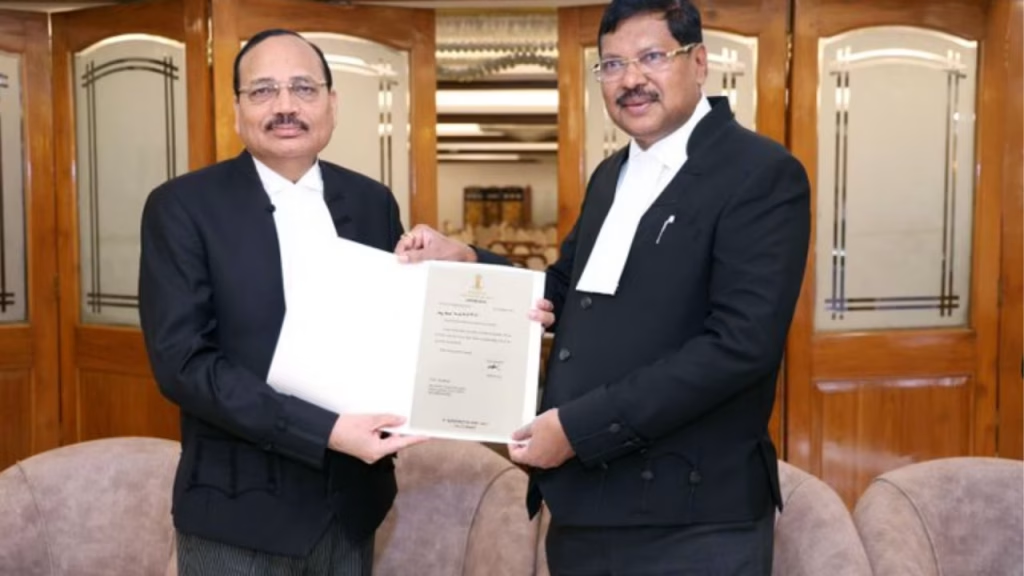
Key Milestones in His Legal Journey:
- Started his legal practice in Haryana, known for taking up cases involving marginalized communities.
- Served as Advocate General of Haryana.
- Elevated as Judge of the Punjab & Haryana High Court.
- Became the Chief Justice of the Himachal Pradesh High Court.
- Appointed as a Supreme Court judge, where he authored landmark judgments.
Justice Surya Kant’s journey is a testament to hard work, judicial wisdom, and a commitment to justice. Now, as Chief Justice, he is expected to carry forward his legacy of balanced and humane jurisprudence.
3. The Role and Responsibilities of the Chief Justice
The position of Chief Justice is not merely ceremonial; it carries constitutional weight and enormous responsibility. From overseeing the functioning of the Supreme Court to shaping judicial policies, the role is central to maintaining the integrity of India’s legal system.
Key Responsibilities of the Chief Justice:
- Master of the Roster:
The Chief Justice decides which cases go to which benches. This power ensures efficient case management and distribution. - Administrative Head of the Judiciary:
He supervises the functioning of the Supreme Court, judicial appointments, and consultations with the government. - Constitution Bench Formation:
Cases involving constitutional interpretation are placed before larger benches—formed and headed by the Chief Justice. - Representation of the Judiciary:
The Chief Justice is the face of the Indian judiciary nationally and internationally. - Judicial Reforms:
The office plays a decisive role in initiating reforms such as digitization, transparency, case pendency reduction, and infrastructural improvement.
As the new Chief Justice, Justice Surya Kant’s leadership will determine the pace and direction of upcoming reforms.
4. Global Participation: A Celebration of Judicial Cooperation
One of the highlights of the ceremony was the attendance of Chief Justices from Bhutan, Nepal, Malaysia, and Sri Lanka. Their presence at the swearing-in of India’s Chief Justice highlights India’s growing influence in shaping legal and judicial systems across Asia.
Why This Matters:
- Promotes judicial diplomacy
- Strengthens legal cooperation in cross-border issues
- Enhances coordination in cybercrime, human trafficking, and digital justice
- Reinforces India’s leadership in constitutional governance
Legal scholars noted that this gathering was more than symbolic—it demonstrated that India’s judiciary and its Chief Justice hold respect across the region.
5. Expectations from the New Chief Justice
With Justice Surya Kant taking charge, expectations are exceptionally high. At a time when India’s legal system faces challenges such as immense case pendency, the need for rapid digitization, and growing public scrutiny, the new Chief Justice will have to navigate these complexities with vision and clarity.
Key Areas Where Leadership is Needed:
a) Reducing Case Backlog
One of the major tasks ahead is reducing India’s massive backlog of cases. The Chief Justice is expected to:
- Increase judicial efficiency
- Encourage alternative dispute resolution (ADR)
- Promote faster hearings
- Strengthen lower courts
b) Digitization of Courts
Post-pandemic, virtual hearings became essential. The new Chief Justice is likely to further integrate:
- E-filing
- Digital case tracking
- Hybrid hearing systems
- Artificial intelligence in case management
c) Judicial Transparency
Transparency has been a subject of public debate. Through reforms, the Chief Justice can improve trust by:
- Publishing reasons for bench selection
- Enhancing accessibility to judgments
- Making the judicial appointment process clearer
d) Strengthening Judicial Infrastructure
Millions of cases suffer due to lack of physical and digital infrastructure in lower courts. A priority for the Chief Justice will be modernizing court complexes, improving technology, and ensuring accessibility for all citizens.
6. Legal Community Reacts: Hope, Optimism, and Responsibility
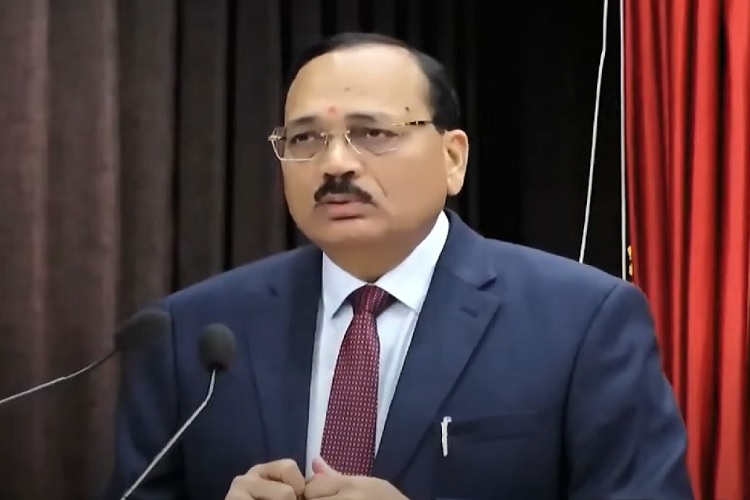
Senior advocates, retired judges, and law students expressed optimism as the new Chief Justice took office. Many noted his reputation for fairness and deep understanding of social issues.
Prominent Reactions:
- Former judges stressed that Justice Surya Kant’s experience will help bring stability.
- Advocates pointed out his balanced approach in past judgments.
- Law students admired his speeches on inclusiveness and constitutional morality.
The overall sentiment was that the new Chief Justice will bring positive change.
7. Landmark Judgments that Define His Jurisprudence
Justice Surya Kant has authored several significant judgments as a Supreme Court judge. They showcase his legal philosophy—grounded in fairness, justice, and constitutional values.
Key Themes in His Judgments:
- Protection of fundamental rights
- Strengthening public accountability
- Safeguarding social justice
- Ensuring administrative fairness
Such jurisprudential depth is expected to guide his decisions as Chief Justice.
8. The Supreme Court Under a New Chief Justice: What Changes Can We Expect?
Every transition of Chief Justice brings a unique working style. Legal observers predict the following changes under Justice Surya Kant’s leadership:
a) Faster Bench Formation
Expect quicker constitution of constitutional benches, especially for pending cases involving:
- Uniform Civil Code
- Electoral reforms
- Free speech on the internet
- Religious freedom
b) Modernization of Courtrooms
The new Chief Justice is expected to push for smart courtrooms with advanced technology for smoother hearings.
c) People-Centric Judgments
His record shows a strong inclination toward protecting the rights of the marginalized.
9. Challenges Ahead for the Chief Justice
The road ahead is not without challenges. The new Chief Justice must tackle:
- The massive backlog of 70,000+ Supreme Court cases
- Rising public expectations from the judiciary
- Critics demanding transparency in judicial appointments
- Balancing personal liberty cases with national security concerns
- Maintaining harmony between the judiciary, legislature, and executive
However, legal analysts believe Justice Surya Kant possesses the temperament and constitutional vision needed to overcome them.
10. A Symbolic and Historic Moment for India
The appointment of a new Chief Justice is always a striking moment in the national narrative. But this ceremony held even deeper symbolic value:
- South Asian judicial leaders stood together.
- India showcased its constitutional strength.
- The judiciary reaffirmed its independence.
Justice Surya Kant’s elevation marked unity, collaboration, and commitment to justice across borders.
11. The Chief Justice and the People: Building Trust
Ultimately, the judiciary’s power comes from public trust. The new Chief Justice will play a vital role in shaping the relationship between courts and citizens.
Ways this can be achieved:
- Quicker hearings for ordinary citizens
- More transparency in high-profile decisions
- Simplification of legal procedures
- Regular communication through public lectures
- Emphasis on access to justice for rural and marginalized groups
The public sees the Chief Justice as a guardian of the Constitution—and Justice Surya Kant’s approach will influence the future of this relationship.
12. India’s Judiciary in a Global Context
With globalization affecting legal frameworks everywhere, the Indian judiciary’s influence has expanded. The presence of global judicial heads at the ceremony shows the respect India commands.
A strong and stable Chief Justice ensures:
- International cooperation on extradition
- Collaboration in cybercrime cases
- Training exchanges between judges
- Harmonization of legal standards
Justice Surya Kant’s tenure will strengthen India’s global judicial outreach.
13. What the Transition Means for the Supreme Court’s Future
The new Chief Justice inherits both opportunities and challenges. His tenure could set the foundation for:
- A faster, more transparent judiciary
- A digitally empowered court system
- Stronger constitutional interpretation
- Deepened trust between citizens and the courts
This transition symbolizes continuity of constitutional values.
Conclusion: A New Chapter for India’s Judiciary
The swearing-in of Justice Surya Kant as the 53rd Chief Justice marks a historic moment, symbolizing not just leadership change but renewed hope for judicial reform, integrity, and resilience. With Chief Justices from across Asia witnessing the ceremony, the event highlighted India’s growing global legal stature.
Read More latest news

