
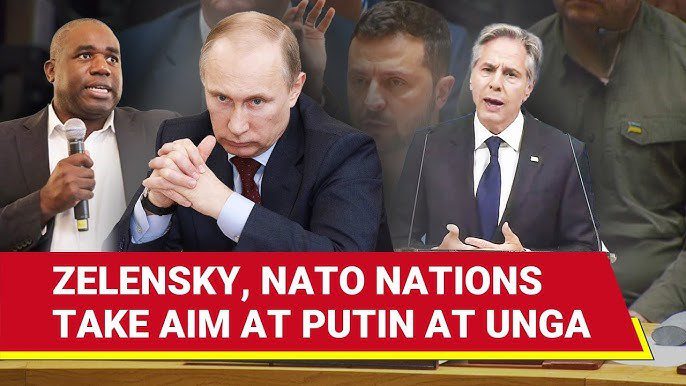
Putin, Trump Talks On The Cards; Anti-Ukraine NATO Nations Eager To Play Hosts
In a surprising geopolitical development, speculation is rife about a potential meeting between Russian President Vladimir Putin and former U.S. President Donald Trump. The proposed talks, rumored to focus on the ongoing Ukraine conflict and broader U.S.-Russia relations, have attracted significant attention from NATO nations known for their critical stance on Ukraine. Several of these countries are reportedly eager to host the high-profile dialogue, aiming to leverage the event for diplomatic and strategic gains.
The Context: Ukraine Conflict and Global Divisions
The ongoing conflict in Ukraine has become a major flashpoint in international relations, pitting Russia against a coalition of Western nations supporting Kyiv. While NATO has been a staunch ally of Ukraine, internal divisions have emerged, with some member states expressing skepticism about the prolonged nature of the conflict and its broader implications.
- Russia’s Position: Moscow has consistently framed the conflict as a defensive measure against NATO’s expansion and a necessary step to protect Russian-speaking populations in Eastern Ukraine.
- Trump’s Role: As a former U.S. president known for his unconventional approach to foreign policy, Trump has previously called for improved U.S.-Russia relations and criticized NATO’s involvement in the Ukraine crisis.
The Proposed Meeting: What’s at Stake?
If confirmed, the meeting between Putin and Trump would mark a significant moment in global diplomacy. Key issues likely to be discussed include:
- Ceasefire Negotiations: Exploring avenues to end hostilities in Ukraine and establish a sustainable ceasefire.
- Sanctions Relief: Addressing the economic sanctions imposed on Russia by the West and their global ramifications.
- Energy Security: Navigating the complexities of global energy markets, heavily influenced by Russia’s role as a major energy supplier.
- Strategic Realignments: Assessing the potential for a shift in alliances and the implications for unity.
NATO Nations Offering to Host
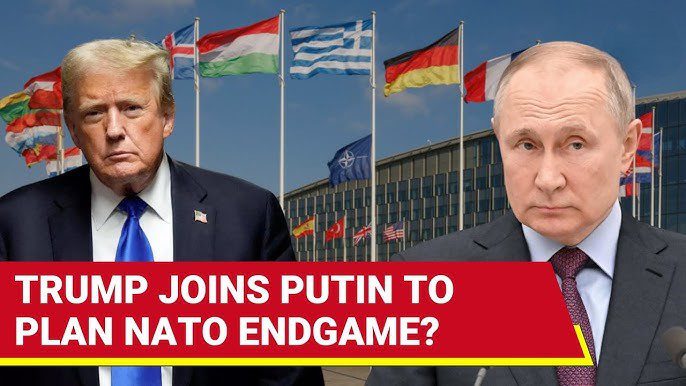
Despite collective stance against Russia, some member states with anti-Ukraine sentiments or pragmatic interests have expressed willingness to host the talks. Among them:
- Hungary: Under Prime Minister Viktor Orbán, Hungary has often taken a dissenting view within, opposing sanctions on Russia and advocating for dialogue.
- Turkey: As a key member with a history of balancing relations between Russia and the West, Turkey could leverage its unique position to facilitate the talks.
- Italy: With a growing domestic debate about the economic impact of the Ukraine conflict, Italy’s interest in hosting could signal a push for diplomatic resolutions.
Reactions from Key Stakeholders
The prospect of a Putin-Trump meeting has elicited varied reactions from different quarters:
- Ukraine: Officials in Kyiv have expressed concern, viewing the talks as a potential undermining of their position and a validation of Russia’s aggression.
- U.S. Administration: Current U.S. President Joe Biden has yet to comment officially, but such a meeting would likely complicate Washington’s efforts to maintain a united front against Russia.
- European Union: The EU remains divided, with some member states emphasizing the need for dialogue and others warning against legitimizing Russia’s actions.
Historical Precedents
The proposed meeting evokes memories of past high-stakes summits between U.S. and Russian leaders. Notable examples include:
- Reykjavik Summit (1986): A meeting between Ronald Reagan and Mikhail Gorbachev that laid the groundwork for the end of the Cold War.
- Helsinki Summit (2018): A controversial meeting between Trump and Putin, criticized for its lack of transparency and perceived concessions.
Challenges and Criticisms
While the potential talks have generated optimism among some, they also face significant challenges:
- Legitimacy Concerns: Critics argue that engaging with Putin could be seen as condoning Russia’s actions in Ukraine.
- Internal Divisions: The event could exacerbate divisions within and the broader Western alliance.
- Public Perception: Both leaders—Putin and Trump—are polarizing figures, and their meeting is likely to attract intense scrutiny.
Potential Outcomes
The outcomes of a Putin-Trump dialogue could vary widely, ranging from symbolic gestures to substantive agreements:
- Breakthrough Agreements: Optimists hope for concrete steps toward de-escalation in Ukraine and a roadmap for improved U.S.-Russia relations.
- Symbolic Success: Even without major agreements, the mere act of dialogue could signal a willingness to engage and reduce tensions.
- Stalemate or Backlash: Skeptics warn that the talks could end in failure or exacerbate existing tensions.
Broader Implications for Global Diplomacy
The potential meeting could have far-reaching implications beyond the immediate context of the Ukraine conflict:
- U.S. Domestic Politics: Trump’s involvement in such high-profile diplomacy could impact his political standing, particularly if he seeks re-election.
- Russia’s Global Position: The talks could bolster Putin’s image as a global leader capable of engaging with major powers despite sanctions and isolation.
- Future: The meeting could test cohesion and its ability to navigate internal divisions.
Conclusion
As the world watches closely, the proposed talks between Putin and Trump represent both a risk and an opportunity. While they hold the potential to reshape the geopolitical landscape and address pressing global challenges, they also carry significant risks, particularly if they are perceived as undermining existing alliances or legitimizing contentious actions. For now, the international community awaits further developments, keenly aware of the stakes involved in this high-profile diplomatic endeavor.]
read more latest News

