
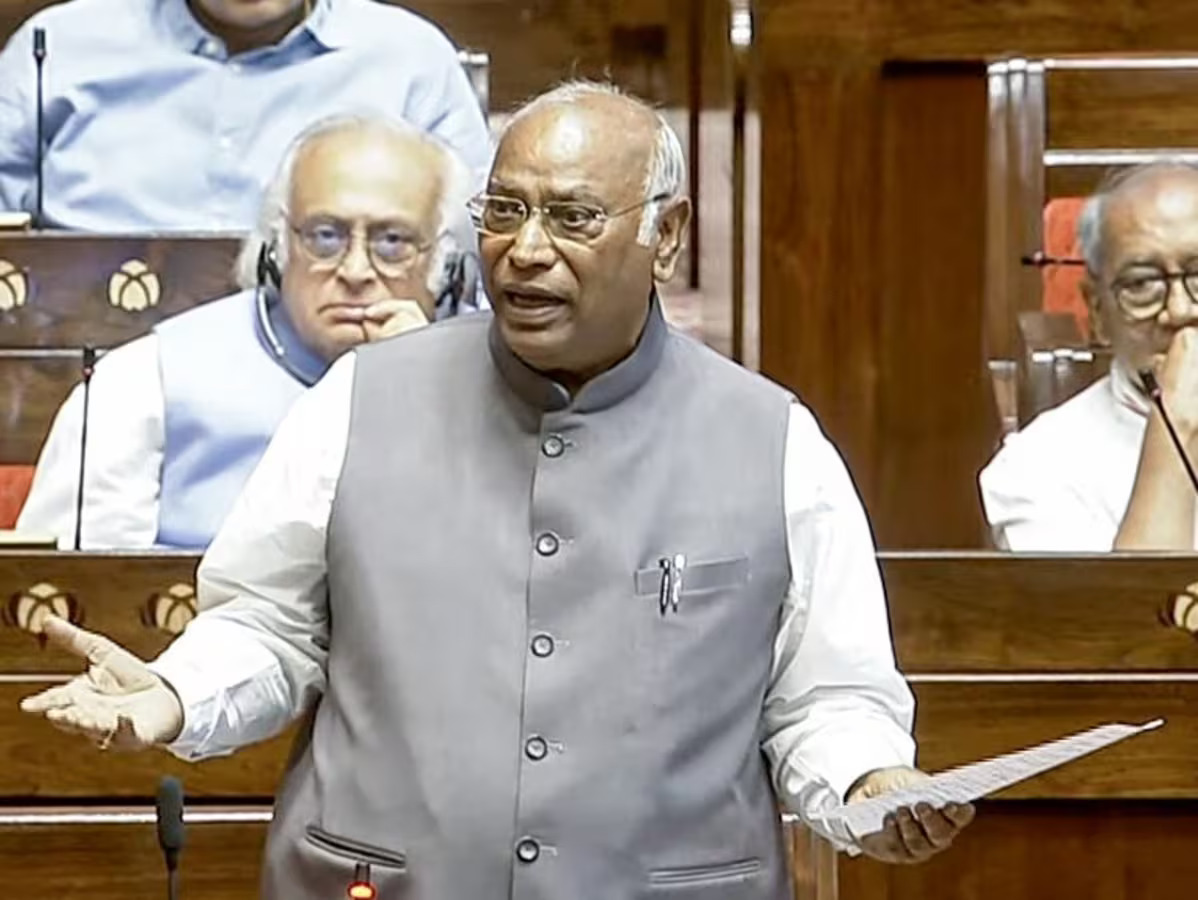
The political landscape in India has once again heated up as Congress President Mallikarjun Kharge launched a scathing attack on Union Minister Anurag Thakur over the controversial Waqf Amendment Bill. With the bill set to be discussed in the Lok Sabha tomorrow, tensions are running high between the ruling Bharatiya Janata Party (BJP) and the opposition, particularly the Congress and other parties that view the bill as an attempt to curtail the autonomy of waqf properties.
Kharge’s Strong Rebuttal to Anurag Thakur
Mallikarjun Kharge, known for his sharp political acumen and strong opposition to the BJP’s policies, did not hold back in his criticism of Anurag Thakur’s statements regarding the Waqf Bill. In recent remarks, Thakur had defended the proposed amendments, claiming that they were necessary for transparency and to prevent misuse of waqf properties. However, Kharge dismissed these justifications, accusing the government of using legislative power to interfere in religious institutions.
Key points raised by Kharge include:
- Alleged Targeting of the Muslim Community: He argued that the BJP government has consistently shown a pattern of targeting institutions linked to minority communities, and the Waqf Bill is another example of such discrimination.
- Lack of Consultation: Kharge slammed the government for not holding proper discussions with waqf board representatives and religious leaders before drafting the bill.
- Political Agenda: He alleged that the BJP was trying to politicize waqf properties for electoral gains, especially with crucial state elections and the 2024 general elections approaching.
- Legal and Constitutional Concerns: He raised concerns that certain provisions in the bill could be unconstitutional, infringing upon the religious and property rights guaranteed to minorities under the Indian Constitution.
- Historical Importance of Waqf Properties: Kharge emphasized that waqf properties have been integral to the socio-economic welfare of the Muslim community, funding mosques, madrasas, and charitable institutions.
Anurag Thakur’s Defense of the Waqf Bill
On the other hand, Anurag Thakur, representing the BJP, has firmly defended the bill, arguing that:
- The amendments aim to ensure better governance and prevent corruption within waqf boards.
- There have been numerous cases of waqf land encroachments, and the bill seeks to address these issues.
- The bill is part of a larger effort to regulate religious trusts and ensure that their properties are used for the intended purposes.
- The opposition is unnecessarily creating controversy for political mileage.

Political Reactions and Alliances Forming
The intense debate surrounding the Waqf Amendment Bill has led to various political reactions:
- Congress and Regional Parties: Several opposition parties, including the Trinamool Congress, Samajwadi Party, and AIMIM, have echoed Kharge’s concerns and are likely to oppose the bill in Parliament.
- BJP and NDA Allies: The ruling party and its allies have reiterated their support for the bill, framing it as a necessary reform to improve accountability and management.
- Muslim Organizations and Religious Leaders: Several Muslim organizations have expressed deep concerns over the bill, warning that it could lead to the weakening of waqf institutions.
Key Issues That Will Be Discussed in Lok Sabha Tomorrow
As the Lok Sabha gears up for a heated discussion on the bill, the following issues are expected to dominate the debate:
- The Government’s Justification: BJP leaders will have to convincingly explain why the bill is necessary and how it will benefit waqf institutions rather than harm them.
- Opposition’s Counterarguments: Congress, AIMIM, and other parties will question the intent behind the bill and demand changes to safeguard minority rights.
- Possible Amendments: There may be calls for modifications in the bill to ensure that waqf properties remain protected while addressing concerns of corruption and mismanagement.
- Legal Implications: Experts and MPs are likely to debate whether the bill aligns with constitutional provisions related to religious freedom and property rights.
- Public Reaction: The discussion in Lok Sabha will also factor in the growing concerns among various communities regarding government interference in religious affairs.
What’s at Stake?
The outcome of tomorrow’s debate will have significant political and social ramifications. If the bill is passed without major amendments, it could lead to legal challenges and public protests. On the other hand, if the opposition manages to delay or modify the bill, it would be seen as a setback for the BJP’s legislative agenda.
Conclusion
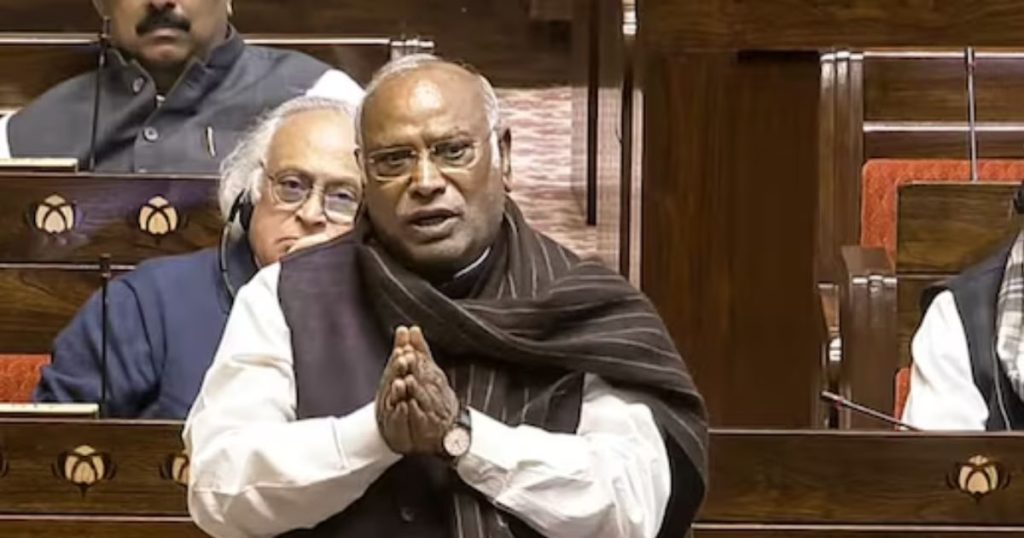
With Congress President Mallikarjun Kharge’s strong rebuttal to Anurag Thakur and the increasing polarization over the Waqf Amendment Bill, tomorrow’s Lok Sabha session is expected to be a battleground of fiery debates. The discussions will not only shape the future of waqf properties but also reflect the broader political and religious dynamics in India. As the nation watches closely, the question remains: Will the government push through its version of the bill, or will opposition voices succeed in making crucial amendments?
read more latest news

