
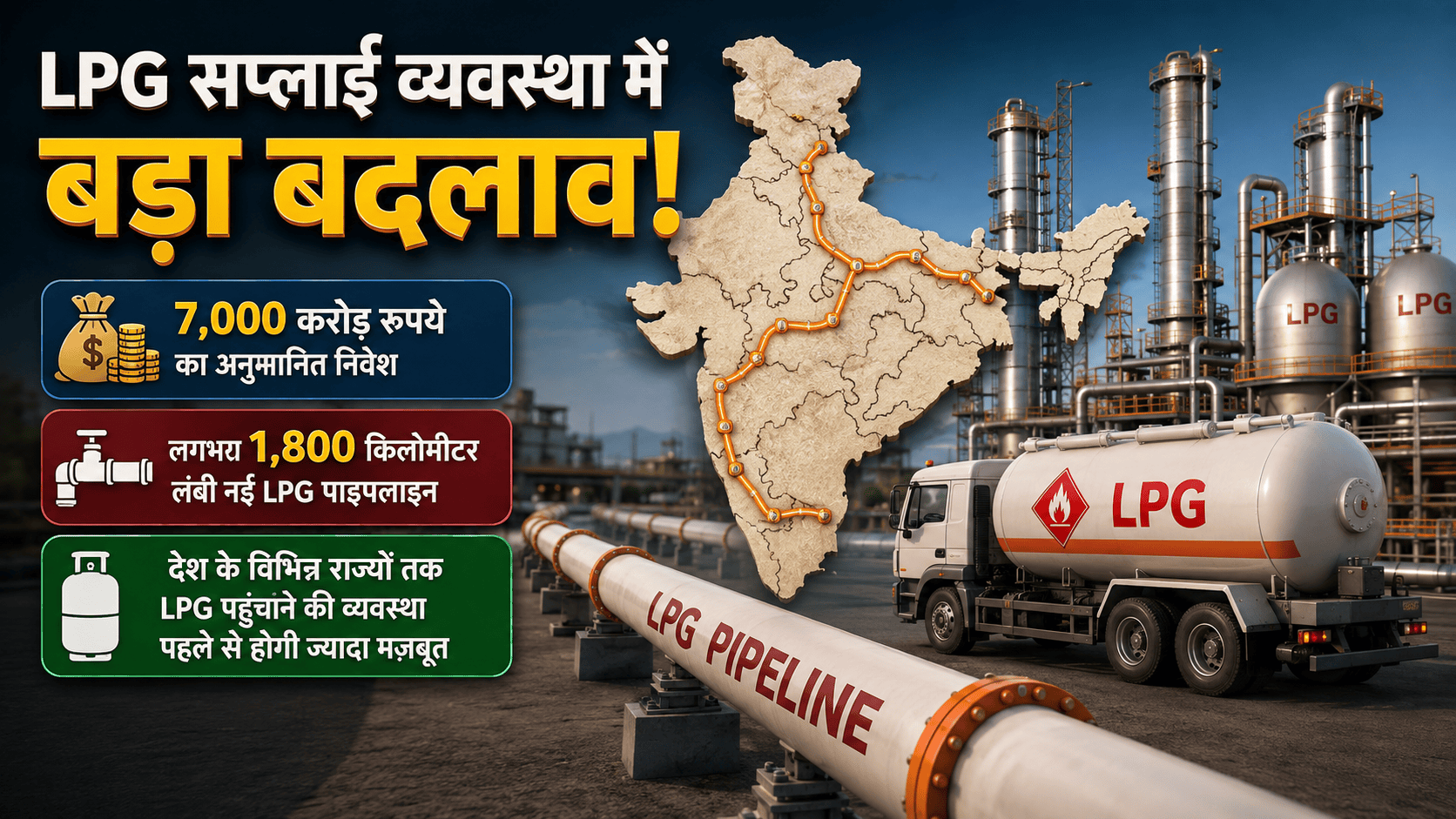
major shift in country LPG supply: New 1,800 km Pipeline Network to Strengthen Distribution.
major shift in country LPG supply, India’s energy sector could witness a major transformation in the coming years. To strengthen the country’s LPG, or Liquefied Petroleum Gas, supply and transportation system, large-scale pipeline projects have been approved. The Petroleum and Natural Gas Regulatory Board (PNGRB) has approved approximately 1,800 kilometers of LPG pipeline projects, involving an estimated investment of around ₹7,000 crore. This initiative is considered an important step toward making LPG distribution across different states more efficient, reliable, and organized.
The major shift in country LPG supply is significant because demand for LPG continues to rise. LPG is widely used in household kitchens, hotels, restaurants, small industries, and other commercial sectors. A strong transportation network is therefore essential to move LPG safely, quickly, and efficiently over long distances.
New 1,800-Kilometer Pipeline Projects
The new LPG pipeline projects approved by the PNGRB are expected to cover approximately 1,800 kilometers. The estimated investment in these projects is around ₹7,000 crore. Once completed, the pipelines are expected to significantly strengthen India’s LPG transportation infrastructure.
The biggest advantage of this major shift in country LPG supply could be a more organized system for transporting LPG over long distances. Pipelines can continuously transport large volumes of LPG to designated locations, potentially increasing the overall capacity of the supply network.
How Will the System Differ from the Existing Arrangement?
India currently uses several modes to distribute LPG. LPG is transported from terminals and storage facilities to bottling plants and then delivered to households and commercial consumers in cylinders. Road transport and other logistics systems also play an important role.
The new pipeline projects aim to further strengthen the LPG transportation network. As part of this major shift in country LPG supply, expanded pipeline connectivity could improve the ability to transport LPG to major distribution centers and different parts of the country.
This could help make the supply system more capable of meeting rising demand in the future.
Improved LPG Access Across States
LPG demand is high in several Indian states. Population growth, urbanization, industrial activity, and the increasing number of domestic gas connections continue to drive demand.
The new pipeline projects could improve LPG transportation between different regions. The impact of this major shift in country LPG supply may be particularly visible in areas where LPG demand is expected to grow rapidly in the coming years.
A stronger pipeline network could also create additional and alternative transportation capacity at multiple locations. This may help strengthen India’s energy supply system over the long term.

Major Investment of ₹7,000 Crore
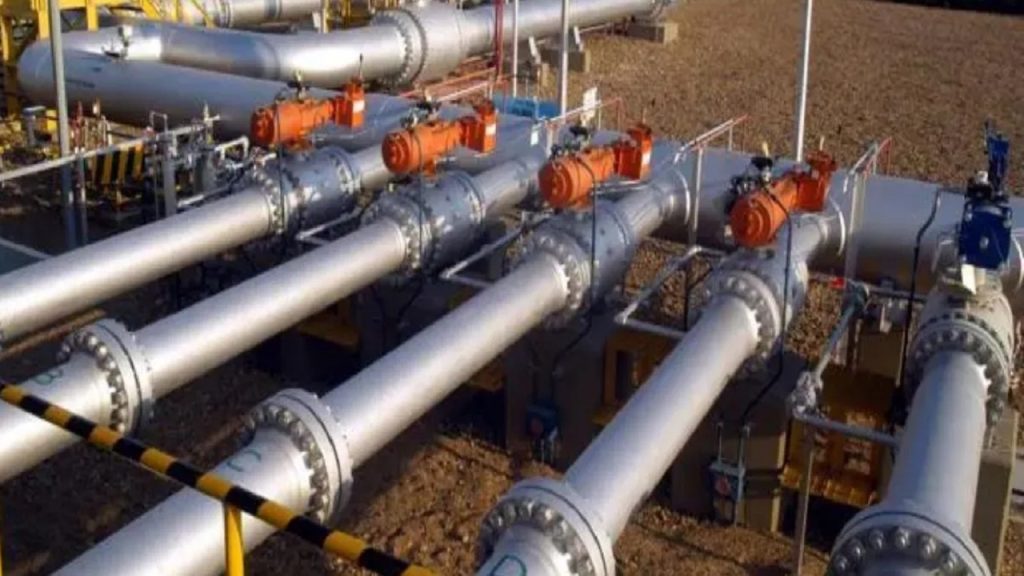
The estimated investment of approximately ₹7,000 crore highlights the importance of these projects. Large infrastructure initiatives such as LPG pipelines require substantial capital. In addition to the pipelines themselves, terminals, storage facilities, pumping stations, and other related infrastructure will also be important.
This major shift in country LPG supply is not limited to laying pipelines. It could have a broader impact on the country’s energy infrastructure. Construction of the new projects may also generate economic activity in engineering, construction, logistics, and related sectors.
Transportation Could Become More Efficient
Logistics plays a crucial role in transporting LPG on a large scale. Moving LPG by road requires vehicles and other resources. Long-distance transportation can also involve challenges related to time, operating costs, and logistics management.
A pipeline network could help reduce some of these challenges. One important aspect of this major shift in country LPG supply is the development of a dedicated network for large-scale LPG transportation.
However, pipelines will not completely replace other transportation modes. Road, rail, and maritime transport will continue to play important roles in the LPG supply chain.
Preparing for Rising LPG Demand
India’s energy demand is increasing. Economic growth, urbanization, and changing lifestyles are influencing both household and commercial energy consumption. LPG remains an important cooking fuel for millions of Indian households.
Expanding infrastructure is therefore essential to meet future demand. This major shift in country LPG supply can be viewed as an important step toward addressing that long-term requirement.
If the pipeline projects are completed on schedule, they could increase LPG transportation capacity and help prepare the distribution network for future demand.
Potential Boost to Energy Security
Energy security is important for every country. The availability and uninterrupted supply of energy are directly linked to economic activity. Strengthening the LPG supply system could improve the resilience of India’s broader energy network.
The pipeline network developed as part of this major shift in country LPG supply could make LPG transportation more organized and efficient. It may also improve connectivity between supply regions, distribution centers, and consumer markets.
An expanded pipeline network could provide a foundation for connecting new LPG storage and distribution facilities in the future.
What Could Be the Impact on Consumers?
The immediate objective of the new pipeline projects is not to reduce LPG prices. The final price paid by consumers depends on several factors, including international market prices, taxes, subsidies, transportation, distribution, and other costs.
However, stronger supply infrastructure could improve the capacity and reliability of the distribution system over the long term. The potential benefit of this major shift in country LPG supply could reach consumers through a more stable and dependable supply network.
A New Chapter in India Energy Infrastructure
The proposed 1,800 kilometers of new LPG pipelines and the estimated investment of approximately ₹7,000 crore are considered significant developments in the expansion of India’s energy infrastructure. These projects are important not only for meeting current LPG demand but also for preparing for future requirements.

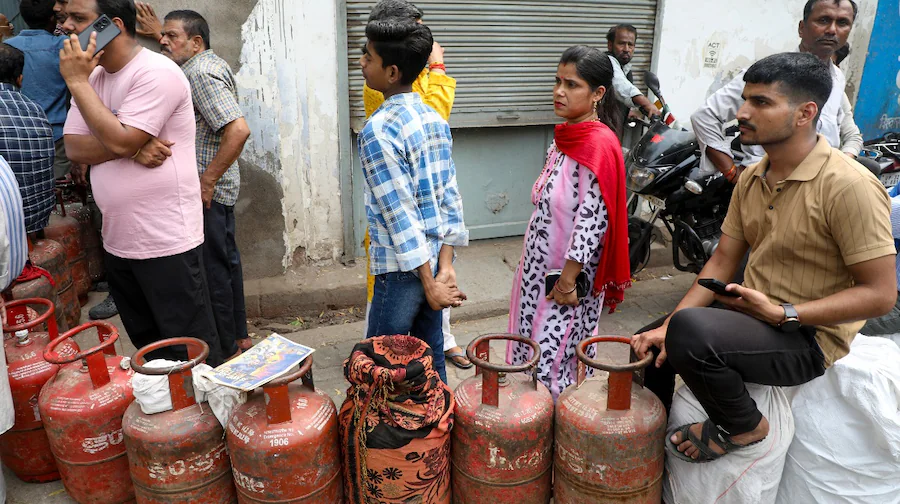
This major shift in country LPG supply has the potential to transform the country’s LPG transportation network in the coming years. Greater pipeline connectivity could help organize the movement of LPG between states and distribution centers more efficiently.
Conclusion
The PNGRB’s approval of approximately 1,800 kilometers of new LPG pipeline projects is an important development in India’s efforts to strengthen its LPG supply system. With an estimated investment of around ₹7,000 crore, these projects could play a major role in increasing the country’s LPG transportation capacity.
This major shift in country LPG supply could become one of the most significant changes in the country’s energy infrastructure in the coming years. A stronger pipeline network could improve LPG access across states and regions while preparing the supply system to meet rising demand.
Although the actual impact of these projects will become clear only after construction, commissioning, and effective operation, the proposed 1,800-kilometer expansion and ₹7,000 crore investment represent an important step for India’s LPG supply infrastructure. This transformation could help make the country’s energy transportation network stronger, broader, and better prepared for future needs.
Read more latest news

