
Maharashtra Tightens Social Media: Government Plans Strict Action Against Online Defamation
Introduction
As a result, Maharashtra tightens social media monitoring and legal oversight to prevent misuse of online platforms.
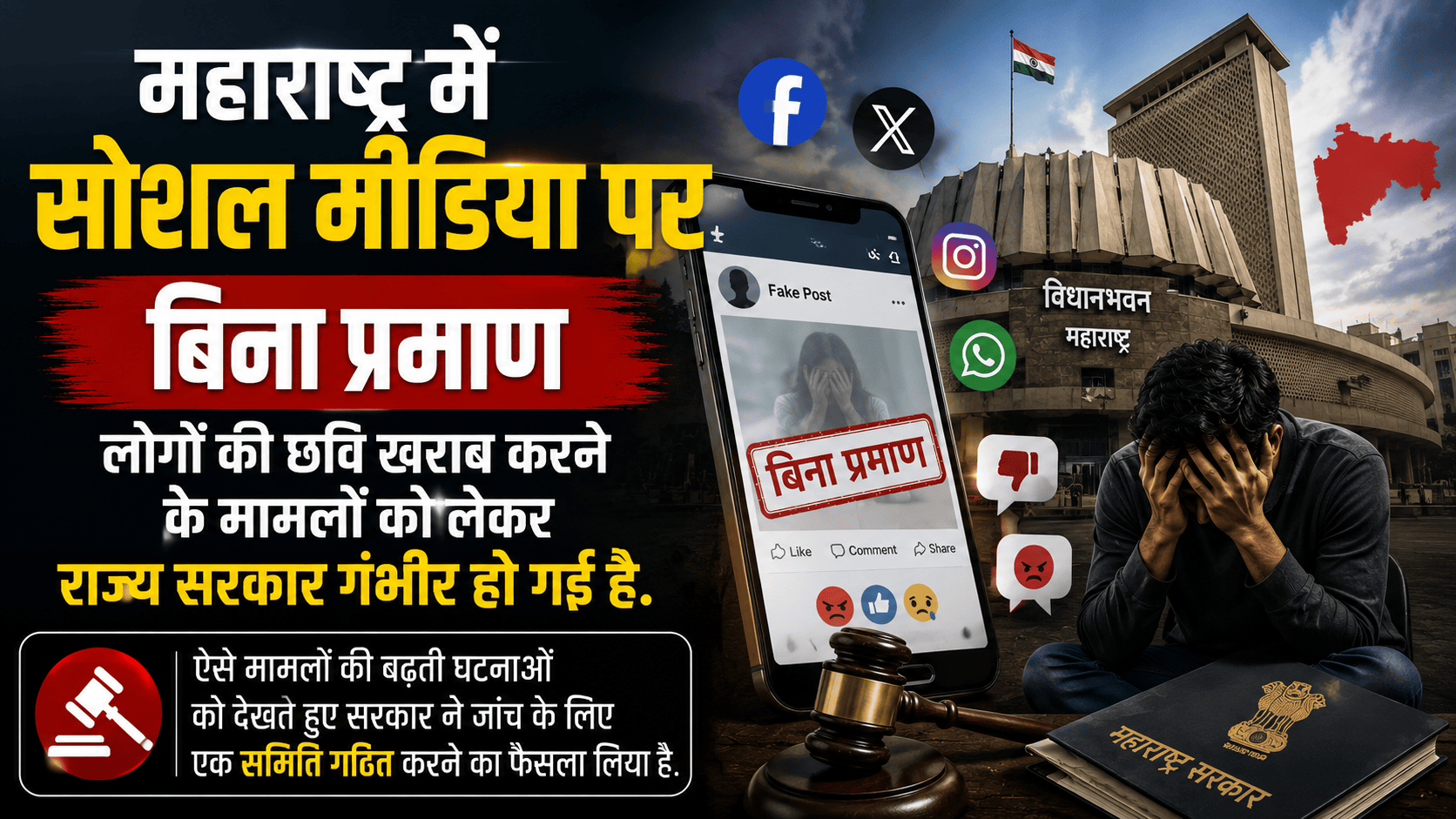
In recent years, social media has become one of the most powerful communication tools in India. Platforms such as Facebook, Instagram, X, YouTube, and WhatsApp have transformed the way people interact, share opinions, and consume information. However, with the rapid growth of digital communication, cases of misinformation, fake allegations, and online defamation have also increased significantly. The Maharashtra government has now decided to take serious steps to address these concerns.
The state government has expressed concern over the increasing number of incidents in which individuals are being defamed on social media without proper evidence. Political leaders, celebrities, government officials, businesspersons, and ordinary citizens have all become targets of online abuse, fake narratives, and unverified accusations. In response to this growing issue, the government has decided to form a special committee headed by the Director General of Police (DGP).
This committee will conduct legal and technical examinations regarding the possibility of introducing new laws or amending existing laws to deal with online defamation and misuse of social media platforms. The move clearly signals that Maharashtra tightens social media regulations in an effort to create a safer and more accountable digital environment.
Rising Concern Over Social Media Misuse
Social media has provided people with freedom of expression and instant communication. While these platforms have many positive uses, they have also become tools for spreading fake news, personal attacks, edited videos, and misleading information.
According to government officials, many cases have emerged where individuals have suffered reputational damage because of viral posts based on false claims. The Maharashtra administration believes such incidents not only harm individuals but can also create social unrest and political tension. Therefore, Maharashtra tightens social media mechanisms to prevent the spread of unverified allegations.
Experts say the problem has become more serious due to the speed at which information spreads online. A single false post can reach millions of users within minutes. Even if the information is later proven false, the damage to reputation is often irreversible.
Formation of a High Level Committee
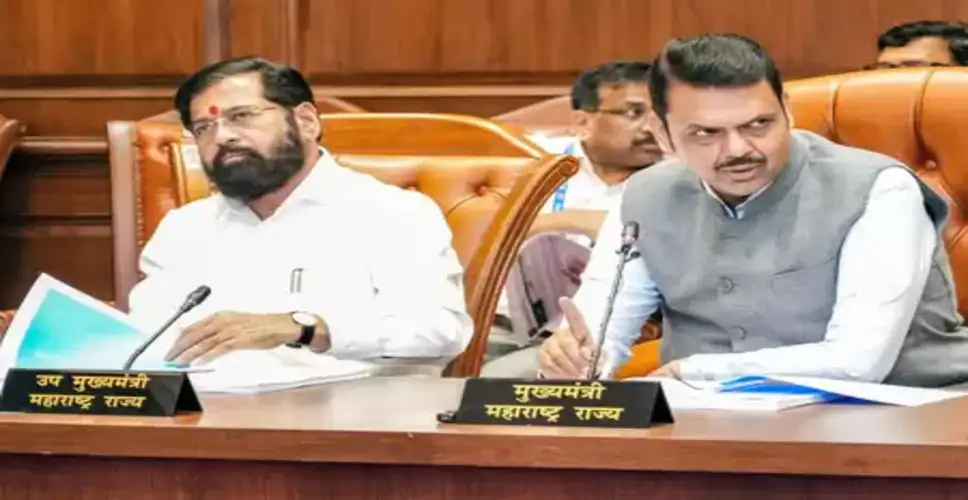
To tackle this growing issue, the Maharashtra government has announced the formation of a special committee under the leadership of the Director General of Police. The committee will include cyber experts, legal professionals, police officials, and technical advisors.
The primary goal of the committee is to study the current legal framework and identify loopholes that allow online defamation and digital harassment to continue unchecked. The committee will also examine international models and legal systems adopted by other countries to regulate harmful online content.
The decision reflects how seriously the government views the issue. By taking institutional action, Maharashtra tightens social media oversight and demonstrates its commitment to balancing freedom of expression with accountability.
Legal Examination of Existing Laws
One of the key responsibilities of the committee will be to examine whether existing laws are sufficient to handle modern digital challenges.
India already has several laws related to cybercrime, defamation, hate speech, and misinformation. However, officials believe many of these laws were drafted before the explosive growth of social media platforms. As technology evolves, governments often struggle to keep laws updated.
The committee will study provisions under the Information Technology Act, the Indian Penal Code, and other legal frameworks to determine whether stronger provisions are required. Since online defamation cases are increasing rapidly, Maharashtra tightens social media rules by considering amendments that can provide quicker legal remedies.
Legal experts believe the committee may recommend stricter penalties for individuals who intentionally spread false allegations or manipulate digital content to harm others.
Technical Challenges in Monitoring Social Media
One major challenge in controlling harmful online content is the technical complexity involved in tracking anonymous users and viral misinformation.
Fake accounts, anonymous pages, bots, and edited videos make investigations difficult. In many cases, harmful content spreads through multiple platforms simultaneously, making it challenging for law enforcement agencies to identify the original source.
Because of these growing concerns, Maharashtra tightens social media monitoring systems by involving cyber experts and digital investigators in the committee.
The government is expected to explore advanced digital tools, AI-based monitoring systems, and cyber forensic technologies to improve investigation capabilities. Officials believe better technical infrastructure will help authorities respond faster to online defamation cases.
Protecting Citizens From Digital Harassment
The Maharashtra government says the primary purpose behind the proposed measures is to protect ordinary citizens from digital harassment and online abuse.
In recent years, many individuals have reported cases involving fake accusations, morphed images, character assassination, and social media trolling. Women, in particular, have often faced severe harassment online.
Officials argue that stronger legal mechanisms are necessary to ensure that social media platforms are not misused to destroy someone’s reputation without evidence. This is one of the major reasons why Maharashtra tightens social media regulations and legal enforcement.
Supporters of the move believe stricter laws could discourage fake campaigns and reduce cyberbullying incidents across the state.
Debate Over Freedom of Expression
While many people support stronger action against online defamation, some civil rights groups and digital activists have raised concerns about freedom of expression.
Critics argue that stricter regulations should not be used to suppress criticism, political dissent, or independent journalism. They believe there must be a clear distinction between harmful misinformation and legitimate criticism.
This debate has intensified after the announcement that Maharashtra tightens social media oversight through a new committee.
Legal scholars say the challenge for the government will be to create balanced regulations that protect citizens without limiting democratic freedoms. Transparency and judicial oversight may become crucial in ensuring fair implementation.
Social Media’s Impact on Society
Social media has changed public communication dramatically over the last decade. Political debates, entertainment trends, business promotions, and breaking news are now heavily influenced by digital platforms.
However, the same platforms can also amplify rumors and false allegations. In some cases, viral misinformation has led to public panic, violence, and reputational destruction.
Government officials believe digital responsibility is becoming increasingly important. Therefore, Maharashtra tightens social media governance to ensure online platforms are used responsibly.
Many experts argue that social media companies themselves must also play a larger role in preventing misuse by improving content moderation and faster complaint resolution mechanisms.
Role of Police in Cyber Investigations
Cybercrime units in Maharashtra have reportedly witnessed a significant increase in complaints related to online abuse and defamation.
Police officials say investigations often become complicated because evidence can be deleted quickly or spread through encrypted channels. The new committee is expected to recommend ways to strengthen police capabilities and improve coordination with social media companies.
By forming a DGP-led committee, Maharashtra tightens social media enforcement through stronger institutional involvement from law enforcement agencies.
Cyber experts may also train police personnel in advanced digital investigation techniques to improve case resolution speed.
Political Reactions to the Decision
The government’s decision has generated mixed political reactions across Maharashtra.
Supporters of the move say the state is taking a necessary step to prevent irresponsible digital behavior. They argue that fake campaigns and online defamation have become major social problems that require urgent intervention.
Opposition leaders, however, have urged caution. Some politicians fear that stricter regulations could be misused against critics or opposition voices.
Despite differing opinions, most political parties agree that misinformation and fake content have become serious concerns. The announcement that Maharashtra tightens social media controls has therefore triggered a broader national discussion about digital regulation.
Impact on Social Media Influencers and Content Creators
Content creators, influencers, and digital media professionals are also closely watching the developments.
Many influencers rely heavily on social media platforms for income, audience engagement, and brand promotions. Some fear that stricter regulations may create uncertainty regarding what type of content could attract legal scrutiny.
At the same time, responsible creators believe stronger action against fake allegations and defamatory campaigns could improve the digital environment.
As Maharashtra tightens social media regulations, experts expect creators to become more cautious about fact-checking and responsible communication.
Importance of Digital Literacy
Many experts believe laws alone cannot solve the problem of online misinformation and defamation.
Digital literacy and public awareness are equally important. Citizens need to understand how to verify information before sharing it online. Schools, colleges, and public awareness campaigns may play a major role in promoting responsible social media behavior.
The Maharashtra government may also consider launching awareness programs as part of its broader strategy. Along with legal reforms, Maharashtra tightens social media responsibility through educational initiatives.
Experts say informed users are less likely to spread fake news or participate in online harassment campaigns.
Technology Companies Under Pressure
Social media companies may also face increasing pressure to cooperate with authorities.
Governments across the world are demanding stronger accountability from digital platforms regarding misinformation, hate speech, and harmful content. Maharashtra’s latest move reflects a broader global trend toward stricter digital governance.
Since Maharashtra tightens social media oversight, technology companies may be asked to respond more quickly to complaints and assist investigations more effectively.
Some experts believe platforms may eventually need stronger verification systems to reduce anonymous misuse.
Public Response on Social Media
Ironically, the announcement itself has become a major topic of discussion on social media platforms.
Many users have welcomed the decision, saying online abuse and fake allegations have become uncontrollable. Others worry about potential misuse of regulatory powers.
Public reactions show how emotionally charged the issue has become. Digital communication affects politics, personal relationships, business reputation, and social harmony.
The fact that Maharashtra tightens social media regulation has therefore sparked widespread public debate across India.
Cybersecurity Experts Weigh In
Cybersecurity experts say stronger laws may help reduce harmful digital behavior, but implementation will be critical.
Experts argue that investigations must rely on evidence and technical accuracy rather than political pressure. They also stress the importance of judicial safeguards and transparent procedures.
As Maharashtra tightens social media monitoring, specialists recommend investment in cyber infrastructure, digital forensics, and training programs for investigators.
They believe future digital governance will depend heavily on technological preparedness.
International Perspective
Many countries around the world are already introducing stricter laws regarding social media regulation.
Governments in Europe, Asia, and North America have implemented policies related to online misinformation, harmful content, and digital accountability. Maharashtra’s decision appears aligned with this global trend.
By examining international examples, the committee may recommend a modern legal framework suitable for India’s digital ecosystem. This demonstrates how Maharashtra tightens social media oversight while adapting to evolving global standards.
Future of Digital Regulation in India
The Maharashtra government’s move may influence other Indian states as well.
If the committee recommends successful legal reforms, similar models could emerge in other regions facing challenges related to online defamation and misinformation.
Experts believe India is entering a new phase of digital governance where online accountability will become increasingly important.
The announcement that Maharashtra tightens social media rules could therefore become a turning point in the national conversation surrounding cyber laws and digital ethics.
Conclusion
The Maharashtra government’s decision to form a high-level committee to examine online defamation and social media misuse reflects growing concern about the impact of harmful digital behavior on society.
As fake allegations, misinformation, and online harassment continue to rise, authorities believe stronger legal and technical mechanisms are necessary to protect citizens and maintain public trust.
The DGP-led committee will now examine whether new laws or amendments are needed to address the evolving challenges of the digital era. The decision clearly signals that Maharashtra tightens social media regulation in response to rising public concern over irresponsible online behavior.
At the same time, the government faces the challenge of balancing accountability with democratic freedom of expression. The coming months may determine how Maharashtra shapes the future of digital governance in India.
For now, one thing is certain: the debate over online responsibility, free speech, and digital regulation is only beginning, and the move that Maharashtra tightens social media oversight will remain at the center of national attention for a long time.
Read more latest news

