
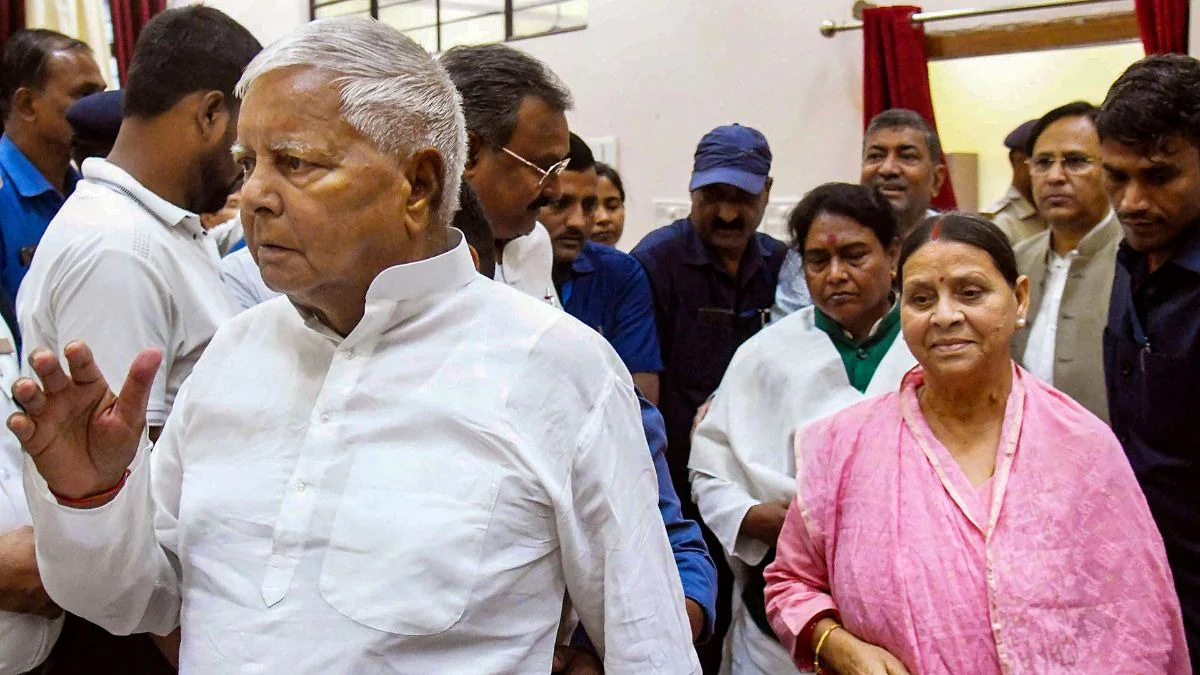
The Lalu Family’s Power Center Shifts: Rabri Devi Vacates 10 Circular Road and a Political Era in Patna Nears Its End
Introduction: A Symbolic Goodbye to Power
The Lalu family is ousting their power center in Patna. Patna has witnessed many political transitions over the decades, but few moments carry as much symbolic weight as the ongoing vacating of 10 Circular Road, the iconic bungalow associated with former Bihar Chief Minister Rabri Devi. This residence has long been more than just a government-allotted house; it has served as the nerve center of influence, strategy, and authority for the Lalu family. As belongings are packed and trucks move in and out, the visuals speak louder than official notices—an era is quietly drawing to a close.
The Bihar government’s notice to Rabri Devi to vacate the bungalow has set in motion not just a logistical exercise, but a powerful political statement. For decades, this address functioned as a symbol of dominance, a meeting point for party workers, leaders, and power brokers. The vacating of the bungalow is now being seen as the ousting of a power center that once defined the political rhythm of Patna.
10 Circular Road: More Than Just an Address
The bungalow at 10 Circular Road is deeply etched into Bihar’s political memory. During Rabri Devi’s tenure as Chief Minister and even after, the residence remained central to decision-making. The Lalu family turned this bungalow into a political fortress, from where strategies were planned, alliances negotiated, and messages conveyed to the masses.
For supporters, the bungalow represented social justice politics and resistance against entrenched elites. For critics, it symbolized dynastic politics and unchecked influence. Regardless of perspective, no one can deny the significance of this address in Bihar’s political landscape.
The Government Notice and Its Implications
The recent notice issued by the state government asking Rabri Devi to vacate the bungalow followed standard administrative procedure. However, in politics, timing is everything. The notice has been interpreted by many as a clear signal that the Lalu family no longer enjoys the informal privileges it once did.
Officials have maintained that the move is purely procedural, as Rabri Devi no longer holds a position that entitles her to a government bungalow. Yet, the public optics suggest something deeper—a reassertion of state authority over political legacy.
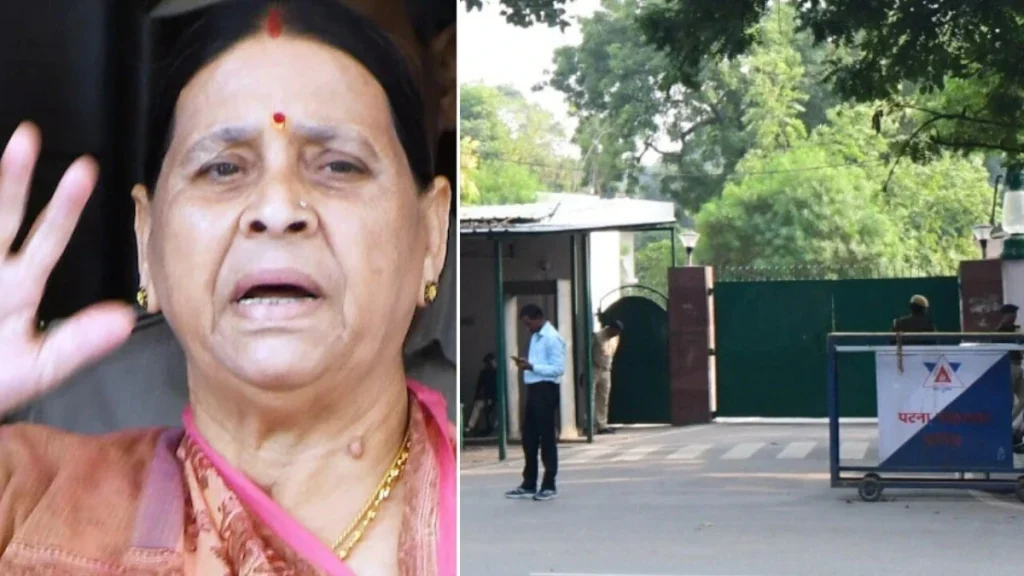
Packing Up: Scenes That Tell a Story
As trucks arrived and workers began shifting furniture, files, and personal belongings, visuals from 10 Circular Road quickly went viral. Each box being carried out seemed to represent a chapter of Bihar’s political history being closed. For decades, leaders queued up outside this bungalow seeking appointments with the Lalu family, hoping for tickets, favors, or political backing.
Now, as the gates open for a different reason, the moment feels historic. The bungalow, once bustling with political activity, stands quieter with each passing day.
Rabri Devi From Housewife to Power Center
Rabri Devi’s political journey is unique in Indian politics. Catapulted into the Chief Minister’s chair in 1997, she became the face of governance while Lalu Prasad Yadav handled party affairs. Over time, Rabri Devi emerged as a powerful figure in her own right, with the Lalu family consolidating its influence around her leadership.
10 Circular Road became the operational headquarters during this period. Decisions taken within its walls shaped Bihar’s governance and electoral strategies for years.
Dynastic Politics and Public Perception
The vacating of the bungalow has reopened debates around dynastic politics. Critics argue that the Lalu family treated public property as private space for far too long, while supporters insist that the family earned its political space through electoral mandates and mass support.
The move has polarized opinions, but it has undeniably shifted the narrative. The symbolism of power is changing, and voters are paying close attention.
A Changing Political Landscape in Bihar
Bihar’s political environment has evolved significantly over the last decade. New leadership styles, governance models, and voter expectations have altered the balance of power. In this changing scenario, the Lalu family faces the challenge of redefining its role without the institutional backing that once came naturally.
The loss of 10 Circular Road as a power hub reflects this broader transformation. Influence today is increasingly shaped by performance, perception, and presence rather than legacy alone.
Tejashwi Yadav and the Next Chapter
As Rabri Devi vacates the bungalow, attention naturally shifts to Tejashwi Yadav. Seen as the political heir, he carries the responsibility of steering the Lalu family into a new era. Unlike the past, power today must be asserted from the legislature, the streets, and the digital space—not from a single address.
Tejashwi’s leadership style, focused on employment and development narratives, signals an attempt to move beyond traditional power centers.
Opposition Reactions and Political Messaging
Opposition parties have seized the moment to target the Lalu family, portraying the vacating of the bungalow as a consequence of past governance failures. Social media campaigns and political statements have framed the event as a symbolic end to “old politics.”
Meanwhile, RJD leaders have countered by calling it a temporary logistical change, emphasizing that political strength comes from public support, not government housing.
Supporters See Resilience, Not Retreat
For loyal supporters, the vacating of 10 Circular Road does not signify defeat. They argue that the Lalu family has faced bigger challenges in the past—imprisonment, political isolation, and electoral setbacks—and yet managed to remain relevant.
In their view, this moment represents resilience rather than retreat, a chance to reconnect with grassroots politics without the trappings of power.
Symbolism in Indian Politics
Indian politics has always attached deep symbolism to residences—be it 10 Janpath in Delhi or 10 Circular Road in Patna. The Lalu family understood this symbolism well and used it effectively for decades.
The loss of such a symbol, therefore, resonates beyond administrative action. It reflects shifting power equations and changing political culture.
Administrative Neutrality or Political Signal?
While the government insists on neutrality, analysts believe the timing sends a clear message. The Lalu family is being reminded that political relevance must now be asserted through institutional means rather than informal authority.
This development may set a precedent for similar actions involving other former leaders across states.
Media Narratives and Public Discourse
Television debates, newspaper columns, and social media discussions have all amplified the moment. The Lalu family remains a headline-grabbing political brand, and any change involving it automatically becomes a national talking point.
Media narratives have framed the vacating as everything from poetic justice to political vendetta, reflecting India’s deeply polarized discourse.
The Emotional Weight of Leaving
Beyond politics, there is also a human element. For Rabri Devi, leaving a home associated with decades of personal and political life cannot be easy. The Lalu family has lived, strategized, celebrated, and struggled within those walls.
The emotional weight of departure adds another layer to the story, making it more than just a political development.
What Happens to 10 Circular Road Now?
Speculation is rife about the future of the bungalow. Will it be allotted to another leader, repurposed, or renovated? Whatever the decision, its association with the Lalu family will remain part of Bihar’s political folklore.
The building may change occupants, but its legacy will linger.
A Lesson in Power and Impermanence
Politics, by nature, is impermanent. The story of 10 Circular Road serves as a reminder that power centers shift, symbols fade, and new narratives emerge. The Lalu family itself rose from humble beginnings to dominate Bihar politics—an example of how quickly fortunes can change.
Now, the same cycle is playing out in reverse, offering lessons to current and future leaders.
Conclusion: End of an Era, Not the Story
The vacating of Rabri Devi’s bungalow marks the end of a visible chapter, but not the end of political relevance. The Lalu family remains deeply rooted in Bihar’s political consciousness, with a loyal support base and a new generation of leaders.
As Patna watches the gates of 10 Circular Road open one last time for moving trucks, it is witnessing history in motion. Power is shifting, symbols are changing, but politics—as always—continues.
The story of the Lalu family is far from over; it is simply entering a new phase, shaped less by addresses and more by action, accountability, and adaptation.
Read More news

