
Introduction
The demographic landscape of a city is shaped by various factors, including migration, birth rates, economic growth, and political changes. One of the significant forces influencing the population structure of cities across the globe today is migration, which comes in multiple forms, both legal and illegal. Migration patterns, particularly illegal migration, have a profound impact on the socio-economic and political fabric of any city. New Delhi, the capital of India, has been at the center of such debates, with recent studies raising alarms about how illegal migration is influencing the city’s demographic makeup.
A report released by Jawaharlal Nehru University (JNU) has highlighted the effects of illegal migration on the population structure of Delhi, with a particular focus on the rise in the Muslim population. According to the findings, illegal migration is playing a crucial role in altering the city’s demographic dynamics, contributing to the notable rise of the Muslim population. This development has become a topic of intense discussion, attracting attention from policymakers, academics, and the general public alike.
This blog will delve into the key findings of the JNU report, the implications of illegal migration on Delhi’s demographics, the political and social consequences of these demographic changes, and the potential steps that can be taken to address the issue.
Understanding the Context of Migration in Delhi
Delhi, a bustling metropolis and the political capital of India, has long been a magnet for people seeking better economic opportunities, education, and quality of life. Migrants from various parts of India, especially from neighboring states, flock to Delhi to escape rural poverty, unemployment, and a lack of basic amenities. The city, with its burgeoning economy, modern infrastructure, and opportunities in education and employment, offers a promising future for millions.
While legal migration through documented channels is a common practice, illegal migration – migration that occurs without proper documentation or authorization – is also a significant phenomenon. Illegal migrants often enter cities in search of work, education, or to escape difficult conditions in their home regions. However, their presence poses challenges, including strains on infrastructure, social services, and law enforcement.
The JNU report sheds light on a particular subset of illegal migration – migration from neighboring countries, such as Bangladesh and Myanmar, which has been on the rise in recent years. This trend has had a disproportionate effect on Delhi’s population, leading to significant shifts in its ethnic and religious composition.
The JNU Report: Key Findings
The study conducted by researchers at Jawaharlal Nehru University (JNU) has raised important questions about the changing demographic profile of Delhi, with an emphasis on the rise of the Muslim population. The report primarily focuses on the role that illegal migration has played in this shift, suggesting that migration from countries like Bangladesh, Myanmar, and other neighboring regions has been a major contributor to the increasing Muslim population in the city.
- The Rise in the Muslim Population: According to the report, there has been a notable increase in the Muslim population in Delhi over the past few decades. The Muslim population, which traditionally constituted around 11-12% of Delhi’s total population, has seen a marked rise, especially in the last two decades. This increase is not just due to natural population growth but is also attributed to migration trends.
- Illegal Migration and Religious Composition: The report draws attention to the religious composition of the migrant population. A significant proportion of the illegal migrants entering Delhi, particularly from Bangladesh and Myanmar, are Muslim. This influx has led to a noticeable rise in the Muslim population, as they settle in various parts of the city. This migration is often unregulated, as many of these migrants lack legal documentation, making it difficult to track their exact numbers.
- Impact on Local Communities: The increase in Muslim migrants has had an impact on local communities in Delhi, especially in areas with high concentrations of migrant populations. These neighborhoods are often characterized by poor infrastructure, limited access to education and healthcare, and strained public services. The rapid increase in population density has put additional pressure on the already strained resources of the city.
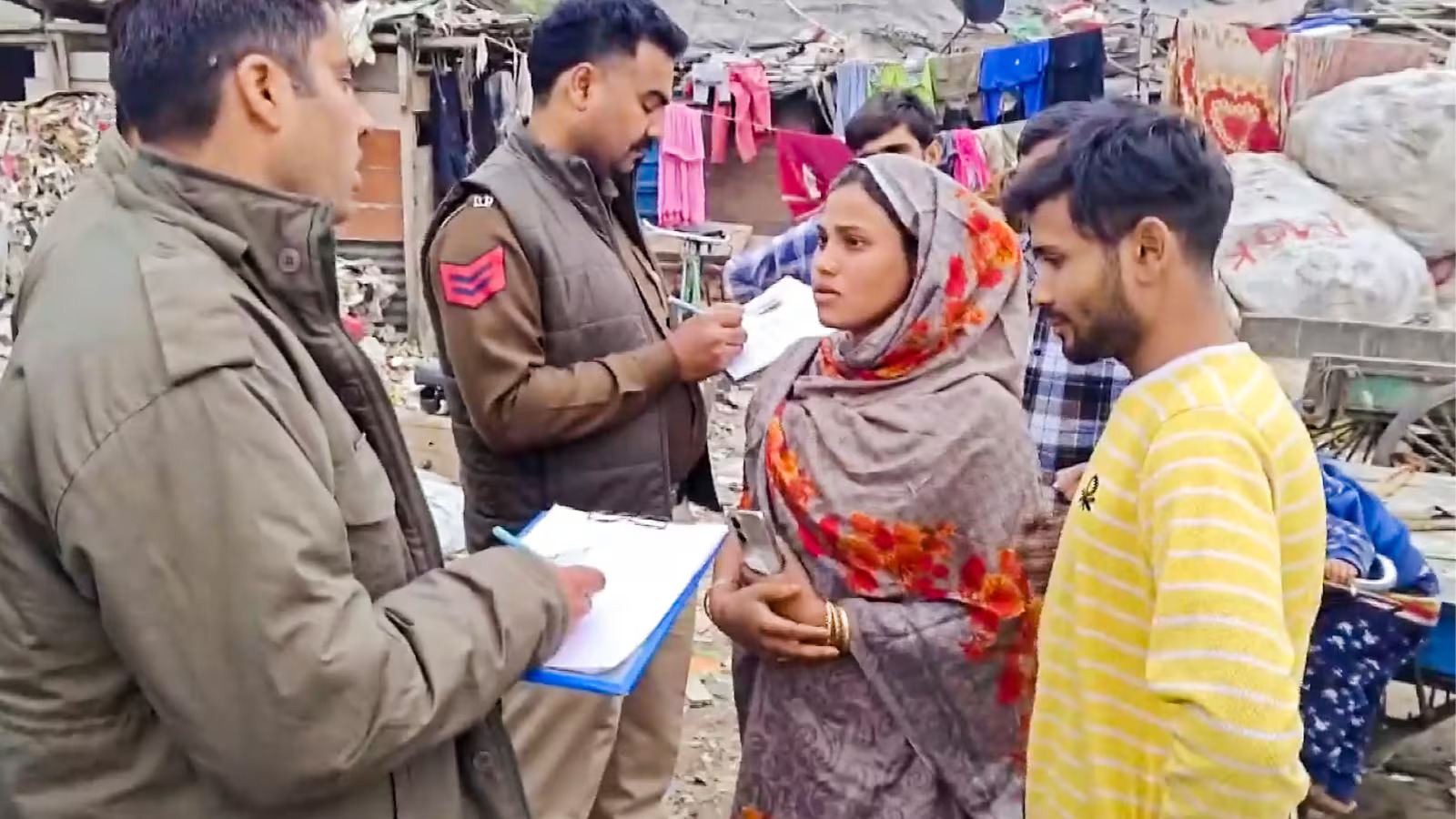
- Urbanization and Migrant Settlements: The report highlights that many of the illegal migrants settle in informal settlements or slums on the outskirts of Delhi. These areas, while providing shelter, often lack basic amenities such as sanitation, clean water, and proper housing. The rise of such informal settlements has led to concerns about the long-term sustainability of these areas.
- Political Implications: The rise in the Muslim population has also generated political debate. Critics argue that the influx of Muslim migrants could shift the political balance in the city, particularly in constituencies with a significant migrant presence. Supporters of the migrants, on the other hand, assert that these individuals are simply seeking better opportunities for themselves and their families, and they deserve protection and support from the state.
Causes of Illegal Migration to Delhi
Understanding the reasons behind the rise in illegal migration to Delhi is crucial in addressing the issue. Several factors contribute to this migration pattern, and it is important to analyze them to fully comprehend the scale of the problem.
- Economic Factors: One of the main drivers of migration to Delhi is the pursuit of better economic opportunities. Delhi, being an economic hub, offers better job prospects and wages compared to many rural areas and smaller cities. For many migrants, especially from neighboring countries like Bangladesh and Myanmar, Delhi represents the possibility of a better future.
- Political and Social Instability: In some cases, migrants come to Delhi to escape political or social instability in their home countries. This includes ethnic and religious violence, persecution, and the lack of opportunities in their own nations. Many Muslim migrants from Myanmar, for example, have fled violence and oppression in their home country, seeking refuge in India.
- Educational Opportunities: Delhi is home to some of the best educational institutions in India. For many young people, especially from neighboring countries, the prospect of higher education in Delhi is a significant motivating factor for migration. The demand for educational opportunities often drives families to migrate to Delhi, both legally and illegally.
- Lack of Strict Border Control: While India has a complex immigration system, the porous nature of the country’s borders, particularly with neighboring Bangladesh and Myanmar, makes it easier for migrants to enter Delhi without being detected. This lack of strict border enforcement has facilitated illegal migration to the capital.
The Socio-Political Consequences of the Rise in Muslim Population
The rising Muslim population in Delhi, driven in part by illegal migration, has far-reaching socio-political implications for the city and the country at large. These changes are influencing politics, social cohesion, and the overall future of urban governance in Delhi.
- Political Mobilization: As the Muslim population in Delhi grows, political parties are increasingly focusing on the needs and demands of this community. This has led to greater political mobilization, with some parties aligning themselves with the interests of Muslim voters, while others see this as a threat to the political status quo. The changing demographic profile could affect electoral outcomes in key constituencies.
- Social Tensions: The rise in illegal migration and the growing Muslim population has the potential to create social tensions. Some sections of the population view the influx of migrants as a threat to their livelihood and cultural identity. In certain cases, this has led to friction between migrant communities and long-time residents of the city. This tension can manifest in communal clashes, xenophobia, and social unrest.
- Urban Challenges: The increasing number of migrants places immense pressure on Delhi’s already overburdened infrastructure and public services. Issues such as access to healthcare, sanitation, housing, and education become even more acute as the city struggles to meet the demands of its growing population. The rise in informal settlements and slums, where many migrants reside, exacerbates these challenges.
- Security Concerns: The presence of illegal migrants without proper documentation can pose security risks. The lack of a formal registration system makes it difficult for authorities to track the movements and activities of migrants, which could potentially lead to security concerns. Additionally, some illegal migrants may become vulnerable to exploitation by criminal elements, which could increase social instability.
Addressing the Issue: Policy Recommendations
The issue of illegal migration and its impact on Delhi’s demographics requires a multi-faceted approach. The following policy recommendations could help address the concerns raised in the JNU report and mitigate the challenges posed by illegal migration.
- Strengthening Border Security: One of the most effective ways to curb illegal migration is by enhancing border security. India needs to invest in better border surveillance and enforcement mechanisms to prevent illegal entry, particularly from neighboring countries like Bangladesh and Myanmar.
- Regularizing Migrants: For those who have already settled in Delhi illegally, a policy of regularization could be considered. By providing legal documentation and pathways to citizenship, the government can help migrants integrate into society, access public services, and contribute to the economy.
- Infrastructure Development: The government must prioritize the development of infrastructure in migrant-dominated areas. This includes providing better housing, healthcare, sanitation, and education facilities to accommodate the growing population.
- Social Integration Programs: It is crucial to create programs aimed at integrating migrant communities into the broader social fabric of the city. These programs can focus on education, employment, language skills, and cultural integration, reducing tensions between migrants and long-time residents.
- Political Dialogue: Given the political implications of demographic changes, it is essential for political parties to engage in dialogue and work together on policies that promote unity and inclusivity. Rather than viewing migration as a divisive issue, policymakers must focus on addressing the needs of all citizens, including migrants.
Conclusion
The rise in illegal migration to Delhi and its impact on the city’s demographic structure is a pressing issue that requires careful consideration and thoughtful policy responses. The JNU report sheds light on the significant role that illegal migration is playing in changing Delhi’s religious composition, particularly with the rise in the Muslim population. While migration is a complex phenomenon driven by various factors, it is clear that its implications for Delhi’s socio-political landscape are far-reaching.
Addressing the challenges posed by illegal migration requires a balanced approach that ensures the rights and well-being of migrants are protected while also maintaining social harmony and security. With careful planning and effective policies, Delhi can continue to thrive as a diverse and vibrant metropolis, while also managing the pressures of migration in a sustainable and inclusive manner.
Read more latest News

