
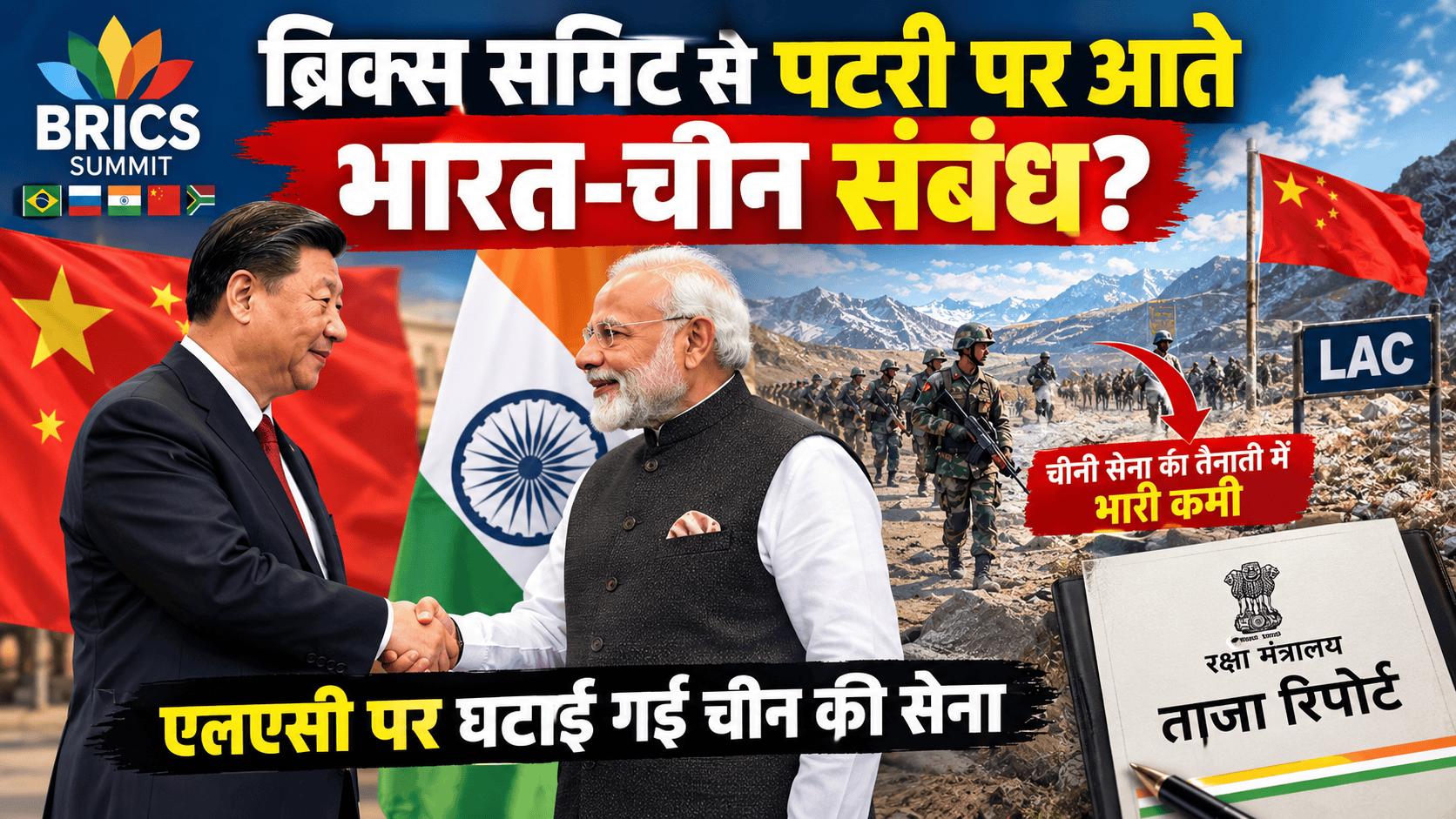
LAC Bordering India: PLA Troop Deployment Reported to Have Reduced After Modi-Xi Meeting
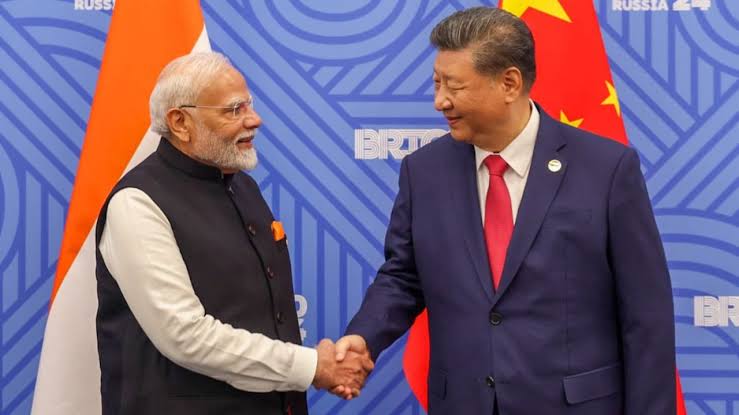
Relations between India and China appear to be showing signs of gradual improvement following the meeting between Prime Minister Narendra Modi and Chinese President Xi Jinping during the BRICS summit. A recent report by the Ministry of Defence has highlighted a significant development along the Line of Actual Control (LAC), with China reportedly reducing the deployment of People’s Liberation Army (PLA) troops in areas along the border. The development has attracted considerable attention because military deployment along the frontier has remained one of the most sensitive aspects of India-China relations.
The latest assessment regarding LAC bordering India comes at a time when both countries appear to be exploring ways to stabilize bilateral relations after years of tensions. The Modi-Xi meeting has raised expectations that diplomatic engagement and military-level communication could contribute to reducing friction along the disputed boundary.
PLA Deployment Reported to Have Declined
According to the Ministry of Defence report cited in the discussion, China has significantly reduced the number of PLA troops deployed along the Indian frontier. The reported reduction is important because military deployments have been a major factor influencing the security environment along the Line of Actual Control.
The situation along the LAC bordering India has remained closely monitored by Indian security agencies. Any change in troop strength, infrastructure or military posture can have implications for border security and strategic planning.
The reported reduction does not necessarily mean that all security concerns have disappeared. Both countries continue to maintain substantial military capabilities in the broader Himalayan region. However, a reduction in forward deployment could potentially create more space for diplomatic engagement and confidence-building measures.
Modi-Xi Meeting Creates Fresh Attention
Prime Minister Narendra Modi’s meeting with Chinese President Xi Jinping on the sidelines of the BRICS summit has been viewed as an important diplomatic development. The two leaders have previously discussed the need for maintaining peace and stability along the border.
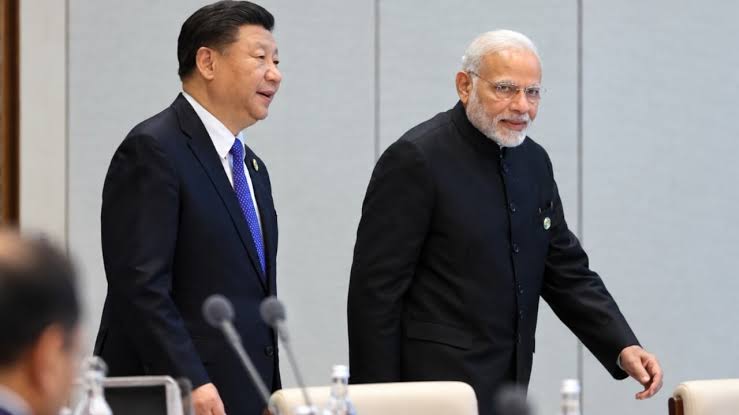
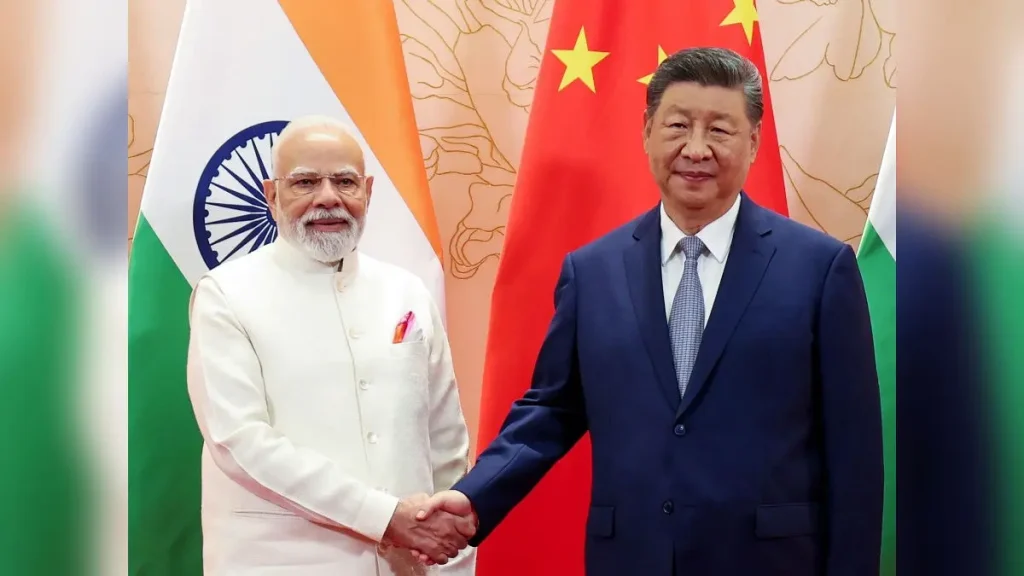
The latest developments concerning the LAC bordering India are therefore being examined alongside the broader diplomatic engagement between New Delhi and Beijing.
India has consistently emphasized that peace and tranquillity along the border are essential for the overall development of bilateral relations. China, meanwhile, has also indicated the importance of improving ties and maintaining communication.
The reported troop reduction could become an important element in assessing whether diplomatic engagement is translating into changes on the ground.
Why Troop Deployment Matters
The Line of Actual Control separates territories administered by India and China but remains disputed in several areas. Because the boundary has not been mutually demarcated throughout its length, military forces from both sides maintain a presence in sensitive regions.
The LAC bordering India includes difficult mountainous terrain where logistics, weather and infrastructure create additional challenges for military forces. Maintaining troops at high altitudes requires significant resources, including specialized equipment, roads, air support and supply arrangements.
Any reduction in forward deployment can therefore have strategic significance. At the same time, troop reductions must be assessed carefully because the overall military balance depends not only on personnel numbers but also on infrastructure, weapons, airfields, surveillance systems and mobilization capabilities.
India Continues to Monitor the Situation
Even if the PLA has reduced its deployment, India is unlikely to lower its focus on border security. The Indian military continues to maintain infrastructure and forces necessary to respond to developments along the frontier.
The LAC bordering India remains a strategically sensitive area, particularly because of the difficult history of India-China border relations.
Indian authorities have repeatedly emphasized the importance of maintaining preparedness while simultaneously pursuing diplomatic solutions. This approach allows New Delhi to engage Beijing without compromising its security interests.
The reported development is therefore likely to be viewed cautiously rather than as evidence that all border issues have been permanently resolved.
From Military Tension to Diplomatic Engagement
Relations between India and China experienced significant strain following the border tensions that began several years ago. Military deployments increased in several areas, while both countries strengthened their infrastructure and logistics capabilities.
Since then, diplomatic and military-level talks have focused on reducing confrontation and establishing mechanisms to prevent further escalation.
The situation around the LAC bordering India has consequently become a central factor in determining the broader trajectory of bilateral relations.
The Modi-Xi meeting could potentially provide another opportunity for both sides to build upon previous disengagement efforts. However, sustained progress would require continued communication and practical measures on the ground.
Infrastructure Remains Important
One reason why the military situation along the border remains strategically significant is the rapid development of infrastructure by both India and China.
Roads, bridges, tunnels, airstrips and communication facilities have transformed the ability of both sides to move troops and supplies. The LAC bordering India is no longer simply a remote frontier; it has become an area where infrastructure development directly affects military preparedness.
India has accelerated border infrastructure projects in recent years, improving connectivity to forward areas. China has also developed extensive infrastructure in regions under its control.
Consequently, troop numbers are only one component of the overall strategic picture.
What the Reported Reduction Could Mean
If the reported reduction in PLA troops continues, it could help create a more stable environment along the frontier. Lower forward deployment may reduce the possibility of accidental encounters and lower the pressure on troops stationed in difficult conditions.
However, the LAC bordering India remains a disputed frontier, and troop reductions should not automatically be interpreted as a final settlement of the boundary question.
For India, the key issue remains the preservation of peace while ensuring that its territorial interests and security requirements are protected.
A Potential New Phase in India-China Relations
The latest developments could indicate the beginning of a cautious new phase in India-China relations. The Modi-Xi meeting and the reported reduction in PLA deployment have generated expectations that bilateral ties may gradually move away from prolonged military confrontation.
The LAC bordering India will remain central to this process. Any sustainable improvement in relations will depend heavily on whether both countries can maintain peace and predictability along the frontier.
Trade, economic cooperation, people-to-people relations and diplomatic engagement could also benefit if border tensions remain under control.
Nevertheless, both governments will need to address outstanding issues through established diplomatic and military channels.
Strategic Importance for India
From India’s perspective, developments along the frontier have implications beyond the immediate border region. The Himalayan boundary is connected to India’s broader national-security strategy and its relationships with other countries in the Indo-Pacific.
The LAC bordering India is particularly important because of its geographical proximity to several strategically sensitive regions.
New Delhi is therefore likely to continue monitoring Chinese military movements even if troop deployment has declined. Intelligence, surveillance and reconnaissance capabilities will remain important in determining whether reductions are sustained.
India’s border strategy is increasingly based on a combination of military preparedness, infrastructure development and diplomatic engagement.
Cautious Optimism
The reported reduction in PLA troops provides a reason for cautious optimism, but it should not be considered a complete solution to the India-China border dispute.
The LAC bordering India continues to require close monitoring, and both sides will need to maintain mechanisms for preventing misunderstandings and military escalation.
The Modi-Xi meeting could nevertheless contribute to a more constructive atmosphere if followed by concrete steps. Diplomatic engagement can help ensure that military differences do not permanently dominate the wider relationship.
For India, the objective remains clear: maintaining peace along the border while protecting national security interests.
Road Ahead
The coming months will be important for determining whether the reported decline in PLA deployment represents a lasting change or a temporary adjustment. Continued observation of troop movements, infrastructure activity and military exercises will provide a clearer picture.
The LAC bordering India is likely to remain one of the most important indicators of the health of India-China relations. If reduced deployment is accompanied by sustained diplomatic communication and further confidence-building measures, it could contribute to a gradual normalization of ties.
At the same time, India will continue to maintain its preparedness. LAC bordering India security cannot depend solely on diplomatic statements; developments on the ground will ultimately determine the level of trust between the two countries.
The latest report therefore represents an important development, but not necessarily a turning point by itself. LAC bordering India remains a complex and sensitive security environment, requiring patience, vigilance and sustained diplomatic engagement.
If the reported PLA reduction continues and both sides maintain dialogue, the development could support a broader effort to stabilize India-China relations. LAC bordering India will remain at the centre of this process, making military transparency, communication and confidence-building essential.
Ultimately, LAC bordering India represents both a security challenge and an opportunity for diplomacy. LAC bordering India developments following the Modi-Xi meeting will be closely watched as India assesses whether the recent signs of de-escalation can develop into a more durable period of peace and stability.
Read more latest news

