Jyoti Singh’s Defiant Stand: “I Was Not Alone, The Entire Karakat Family Was With Me”
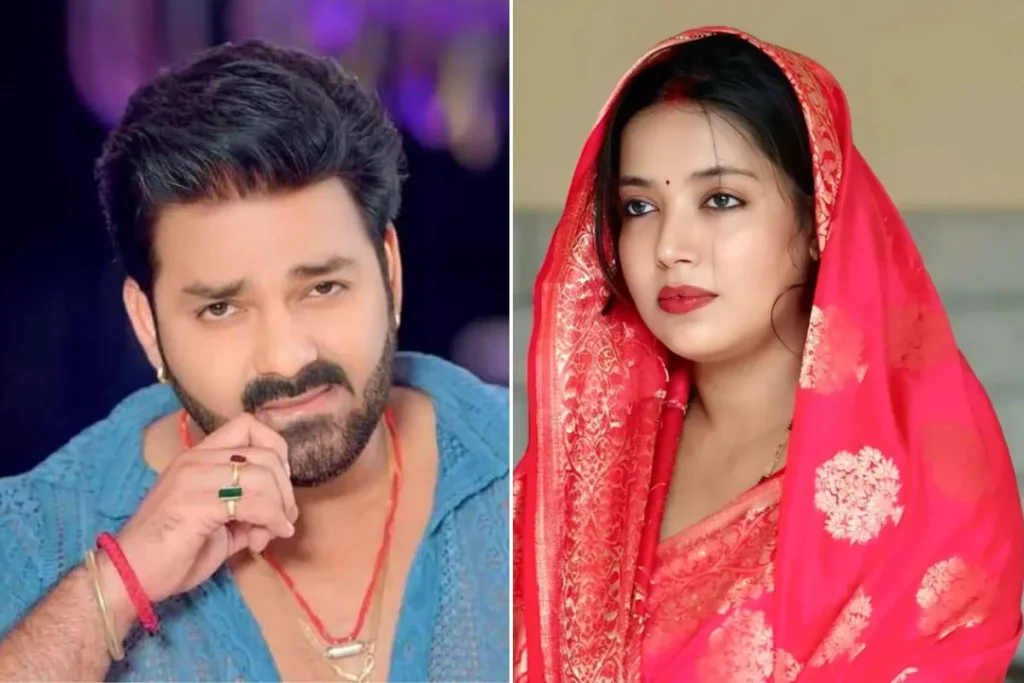
Jyoti Singh, wife of Bhojpuri singer-actor Pawan Singh and independent candidate from Karakat assembly seat. In the heat of Bihar’s political battleground, where power equations shift faster than the changing seasons, one statement has captured the imagination of both political observers and the public alike. Jyoti Singh, wife of popular Bhojpuri singer-actor and independent political candidate Pawan Singh, recently made a bold and emotional declaration that has turned heads across the state. When asked about the alleged lack of support from her husband during the election campaign, Jyoti Singh firmly replied, “Main akeli nahi thi, poora Karakat parivar mere saath tha” — “I was not alone, the entire Karakat family was with me.”
This statement, though simple, resonates with layers of meaning — from political symbolism to personal resilience. It reflects the spirit of a woman determined to stand her ground in the male-dominated arena of Bihar politics, and also hints at the emotional complexities of personal and political life intertwining under public scrutiny.
Let’s explore the full story behind Jyoti Singh’s journey, the challenges she faced, the context of her statement, and what it signifies in the larger picture of regional and gender politics in Bihar.
1. The Background: Pawan Singh and the Karakat Connection
Before understanding Jyoti Singh’s statement, one must look at the political and social landscape of Karakat, a constituency in the Rohtas district of Bihar. Known for its rich cultural identity and political importance, Karakat has been a battleground where caste, celebrity influence, and local development issues collide.
Pawan Singh, the superstar of Bhojpuri cinema and a singer with massive popularity, made headlines earlier when he announced his decision to contest the Lok Sabha elections as an independent candidate from Karakat. His entry added glamour, controversy, and a fresh dynamic to the political narrative of the region.
While his popularity among the youth and Bhojpuri-speaking diaspora was undisputed, politics is never a stage performance — it demands grassroots connect, organizational support, and unflinching dedication. Amid this, his wife Jyoti Singh emerged as a surprising yet strong figure — not merely as a political spouse, but as a personality of her own making.
2. Jyoti Singh Steps Into the Spotlight
Jyoti Singh was not a household name until recently. Known primarily for being Pawan Singh’s wife, she had largely stayed away from the limelight that surrounded her celebrity husband. But as Pawan Singh’s political ambitions grew, so did the public interest in his family and personal life.
However, when reports began surfacing that Pawan Singh’s campaign did not go as expected and that there was limited involvement from his family during the critical phases of his political journey, speculation started brewing. Questions about Jyoti Singh’s role, her stance, and her relationship with her husband became topics of discussion not only in media circles but also among local voters.
Then came the defining moment — when Jyoti Singh, during an interaction with reporters, confidently said:
“Main akeli nahi thi, poora Karakat parivar mere saath tha.”
With this single line, she turned the focus away from personal questions and toward a broader narrative — one of collective support, regional identity, and women’s strength in politics.
3. The Emotional Undertone: Between Love, Politics, and Self-Identity
It’s not easy to be the spouse of a public figure, especially in a region like Bihar, where the boundaries between personal life and political identity often blur. For Jyoti Singh, the situation was even more complex. While Pawan Singh was battling political opponents, Jyoti Singh found herself answering questions about loyalty, support, and family dynamics.
Her statement wasn’t just a political response — it was an assertion of dignity. By saying she was not alone, she emphasized that she found emotional and moral strength in the people of Karakat. In essence, it was a message that her connection with the constituency went beyond her marital identity.
Political analysts interpret this as a shift in narrative — from being “Pawan Singh’s wife” to being “Jyoti Singh of Karakat.” That transformation is both powerful and symbolic, especially in a state where women politicians often face skepticism about their capabilities and independence.
4. Pawan Singh’s Political Journey and the Shadows of Controversy
Pawan Singh’s foray into politics has been anything but ordinary. The Bhojpuri star, known for his hit songs and energetic on-screen presence, entered the electoral battlefield as an independent candidate — a bold decision in itself, considering the dominance of major parties like the BJP, RJD, JD(U), and Congress in Bihar’s political structure.
His campaign was marked by huge crowds, musical fervor, and emotional slogans like “Karakat ka beta, Pawan Singh zindabad!” Yet, political insiders point out that the lack of structured party machinery and the absence of a cohesive strategy impacted his chances. Rumors of personal issues and internal differences added fuel to the gossip mills.
During this period, Jyoti Singh’s silence spoke volumes. She neither publicly defended her husband nor distanced herself — a calculated neutrality that now makes her recent statement all the more significant. Her words indirectly suggest that while personal equations may have faced turbulence, her commitment to the people of Karakat remained unwavering.

5. The Role of Women in Bihar Politics
To truly understand the resonance of Jyoti Singh’s words, one must look at the broader history of women’s participation in Bihar’s politics. From Rabri Devi stepping into Lalu Prasad Yadav’s shoes during the height of political crisis to Renu Devi serving as Deputy Chief Minister under Nitish Kumar, Bihar has seen several examples of women breaking barriers.
However, these journeys have not been without challenges. Women in Bihar’s politics often face a dual battle — proving their competence in governance and countering the patriarchal lens that sees them as secondary to their male counterparts.
Jyoti Singh’s statement, “I was not alone,” subtly challenges this perception. It projects her as a woman who finds empowerment not from her husband’s shadow, but from the trust of her people. It’s a refreshing perspective that resonates deeply in a society where women are gradually asserting their presence in public life.
6. The Symbolism of “Karakat Family”
When Jyoti Singh referred to the “Karakat family,” it wasn’t just rhetoric — it was strategic political symbolism. In regions like Bihar, politics is not merely about party allegiance; it is about identity, kinship, and belonging.
By calling the people of Karakat her “family,” Jyoti Singh invoked a sense of emotional unity — portraying herself as one of them, not an outsider or just a celebrity’s wife. This is a common but effective technique in local politics, where emotional connection often trumps political ideology.
Her words echoed through Karakat’s villages, resonating with women, youth, and families who saw in her statement a reflection of their own struggle for recognition and respect. In a state where the “aam aadmi” (common person) seeks a voice, Jyoti Singh positioned herself as a symbol of the collective spirit of Karakat.
7. Reactions from Political Circles
Unsurprisingly, Jyoti Singh’s statement triggered a range of reactions. Within local political circles, some saw it as an attempt to maintain political relevance in the post-election narrative, while others hailed it as a statement of empowerment.
Leaders from rival parties made guarded remarks, acknowledging her courage but also hinting at the underlying tension between her and Pawan Singh. On social media, however, her words went viral — especially among women supporters who interpreted it as a message of self-belief.
Many local journalists covering the Karakat constituency noted how Jyoti Singh’s calm yet assertive demeanor stood in contrast to the aggressive tone of many male politicians. Her response, they said, displayed maturity, emotional intelligence, and confidence — traits that could serve her well if she decides to pursue an independent political career in the future.
8. Media’s Role in Shaping the Narrative
The media, particularly in Bihar, has a long history of amplifying personal stories in political contexts. From Nitish Kumar’s “Sushasan Babu” image to Tejashwi Yadav’s youthful leadership brand, media framing plays a crucial role in defining public perception.
In Jyoti Singh’s case, her statement became a headline sensation not merely because of its content, but because of the emotional undertone attached to it. TV anchors dissected it, social media influencers debated it, and Bhojpuri fans flooded comment sections with support for both Jyoti and Pawan Singh.
Interestingly, several women’s organizations and digital platforms that promote gender representation in politics also picked up her quote, calling it “a voice of dignity amid speculation.”
By shifting the conversation from “Where was your husband?” to “Who was with you?”, Jyoti Singh effectively redefined the question itself — an intelligent move that not only deflected controversy but also earned her respect.
9. The Human Side of Political Life
Behind the glamour of public statements lies the human reality of emotional strain, expectations, and sacrifices. For someone like Jyoti Singh, who married one of Bhojpuri cinema’s most popular figures, life was always under scrutiny. But the election season magnified that spotlight, turning every gesture and every word into political material.
Her statement about the Karakat family reveals a profound truth — that emotional strength doesn’t always come from family ties; sometimes it comes from community solidarity. In rural Bihar, this sentiment carries deep meaning. The idea of “parivar” (family) extends beyond blood relations — it encompasses neighbors, supporters, and well-wishers who stand together in times of challenge.
In that sense, Jyoti Singh’s message was not just political — it was cultural and emotional. It reminded everyone that in Bihar, politics is personal, and personal is political.
10. The Way Forward: Can Jyoti Singh Carve Her Own Political Path?
The big question now is — what next for Jyoti Singh? Was her statement a one-time assertion, or does it signal the beginning of a more active role in Bihar’s politics?
Political observers suggest that she has potential. Her calm confidence, ability to connect emotionally, and growing visibility could make her an emerging face in the local political landscape. If she decides to formally enter politics, either independently or under a party banner, she could tap into both women’s support networks and the Bhojpuri fan base.
Furthermore, her ability to handle questions about her husband with grace and dignity suggests a political maturity that is rare among newcomers. While Pawan Singh continues to maintain his position as a celebrity-politician, Jyoti Singh could evolve into a leader rooted in ground realities and emotional intelligence.
11. Public Sentiment: People’s Faith and Emotional Connect
Local reports and social media interactions reveal that many voters in Karakat were deeply moved by Jyoti Singh’s statement. For them, it symbolized emotional strength in the face of adversity. Some even remarked that while Pawan Singh may have the fame, Jyoti Singh has the “ground connect.”
Women voters, in particular, admired her poise and message of unity. In a region where women’s participation in politics and social work is steadily growing, Jyoti Singh’s example stands out as inspiring.
This emotional connect might not immediately translate into electoral success, but it does build a moral credibility — the first step for any grassroots leader in Bihar’s emotionally driven political climate.
12. Lessons from Jyoti Singh’s Statement
Jyoti Singh’s words carry lessons not just for politicians but for society at large:
- Strength in Unity: Her idea of the “Karakat family” emphasizes that community support can be more powerful than individual backing.
- Grace in Adversity: Instead of complaining about lack of support, she chose gratitude — a quality that instantly elevates public respect.
- Redefining Identity: By speaking for herself, she broke away from being defined solely by her husband’s fame.
- Emotional Intelligence in Politics: Her calm tone amidst controversy shows the importance of empathy and communication in modern politics.
In an era where political discourse often turns aggressive, her measured response sets a refreshing example.
13. The Broader Message: Women Shaping Bihar’s Future
Jyoti Singh’s voice adds to the growing chorus of women who are redefining Bihar’s political future. From village mukhiyas to MLAs, women are stepping forward, not as mere placeholders for their husbands or fathers, but as independent leaders.
Her story symbolizes a silent revolution — one that blends tradition with transformation. Women like her embody resilience, balancing family expectations and public responsibilities while challenging outdated stereotypes.
In that light, her statement — “I was not alone” — could well become a rallying cry for countless women across Bihar who face societal hurdles yet find strength in community and courage in conviction.
14. Conclusion: More Than a Statement — A Declaration of Strength
Jyoti Singh’s response to a seemingly simple question transcended personal politics. It became a testament to inner strength, emotional wisdom, and social connection. In the world of politics — where alliances break and loyalties shift — she reminded everyone that the truest support often comes from the people themselves.
By saying “I was not alone, the entire Karakat family was with me,” Jyoti Singh not only defended herself gracefully but also claimed her space in Bihar’s socio-political narrative. Whether or not she chooses to formally enter politics, one thing is certain — her voice has been heard, and it carries weight.
In the end, Jyoti Singh’s story is about far more than elections or controversies. It’s about the enduring power of belonging — a reminder that in the heart of Bihar, leadership is not just about votes, but about trust, connection, and the courage to stand tall, even when you stand alone.
Read more latest news