
Politics, Tradition, and Emotion: Janshakti Janata Dal Tej Pratap Yadav’s ‘Chura-Dahi’ Invitation to Lalu Prasad Yadav on Makar Sankranti
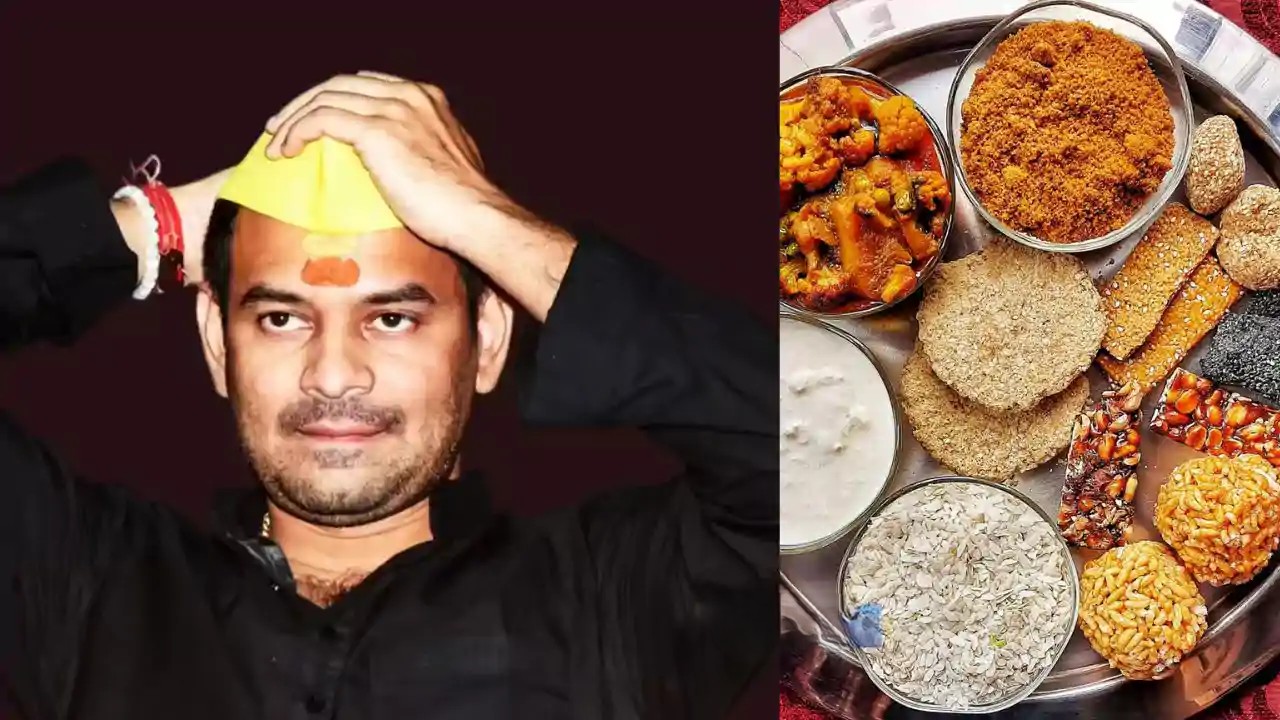
Janshakti Janata Dal Indian politics often witnesses moments where personal relationships, cultural traditions, and political symbolism intersect. One such moment has emerged around the festival of Makar Sankranti, when Janshakti Janata Dal chief Tej Pratap Yadav extended an emotional and culturally significant invitation to his father and Rashtriya Janata Dal (RJD) supremo Lalu Prasad Yadav. The invitation was for the traditional ‘chura-dahi’ meal, which holds deep social and cultural importance in Bihar and eastern India.
Tej Pratap Yadav’s statement — “I have invited him (Lalu Prasad Yadav) for chura-dahi on Makar Sankranti… he will come” — has sparked discussions not just about family bonds but also about shifting equations in Bihar’s political landscape. As the leader of Janshakti Janata Dal, Tej Pratap’s move is being closely observed by political analysts, party workers, and the electorate alike.
This blog explores the cultural significance of chura-dahi, the political context surrounding Janshakti Janata Dal, the father-son relationship between Tej Pratap Yadav and Lalu Prasad Yadav, and what this gesture could mean for Bihar politics.
Makar Sankranti and the Tradition of Chura-Dahi
Makar Sankranti marks the transition of the Sun into Capricorn and is celebrated across India in different forms. In Bihar, Uttar Pradesh, and Jharkhand, chura-dahi (flattened rice with curd, often accompanied by jaggery and tilkut) is not just food but a symbol of unity, simplicity, and tradition.
For generations, chura-dahi has been associated with hospitality and familial bonding. When a political leader like the Janshakti Janata Dal chief invites someone for chura-dahi, it carries both emotional warmth and symbolic meaning.
Tej Pratap Yadav’s invitation to Lalu Prasad Yadav is rooted in this tradition. It reflects respect, cultural continuity, and an attempt to keep family ties intact despite political differences.

Who Is Tej Pratap Yadav Today?
Tej Pratap Yadav has carved a distinct identity in Bihar politics over the years. Once seen primarily as the elder son of Lalu Prasad Yadav, he has gradually asserted himself as an independent political voice. The formation of Janshakti Janata Dal marked a turning point in his political journey.
As the leader of Janshakti Janata Dal, Tej Pratap has emphasized issues like youth empowerment, social justice, and grassroots engagement. While comparisons with Rashtriya Janata Dal are inevitable, Janshakti Janata Dal has attempted to position itself as a platform that blends traditional socialist values with contemporary political aspirations.
This makes Tej Pratap’s invitation all the more significant — it reflects a balance between political independence and personal respect.
Lalu Prasad Yadav: A Political Patriarch
Lalu Prasad Yadav remains one of the most influential political figures in Bihar. As the founder and supremo of Rashtriya Janata Dal, his legacy is deeply intertwined with social justice politics, especially the empowerment of backward classes.
Even today, Lalu Prasad Yadav’s presence commands attention. Any interaction involving him — especially with leaders of Janshakti Janata Dal — naturally attracts political interpretation. His acceptance of the chura-dahi invitation, as suggested by Tej Pratap Yadav’s statement, signals warmth and mutual respect.
Family, Politics, and Public Messaging
In Indian politics, family gestures often carry public messages. Tej Pratap Yadav’s invitation is not just a personal act; it is a public statement made by the chief of Janshakti Janata Dal.
Political observers believe that such gestures can:
- Humanize political leaders
- Reduce speculation of family discord
- Send positive signals to party workers
- Influence public perception ahead of elections
For Janshakti Janata Dal, this moment provides visibility and emotional connect — elements crucial for a relatively new political formation.
The Political Significance of the Invitation
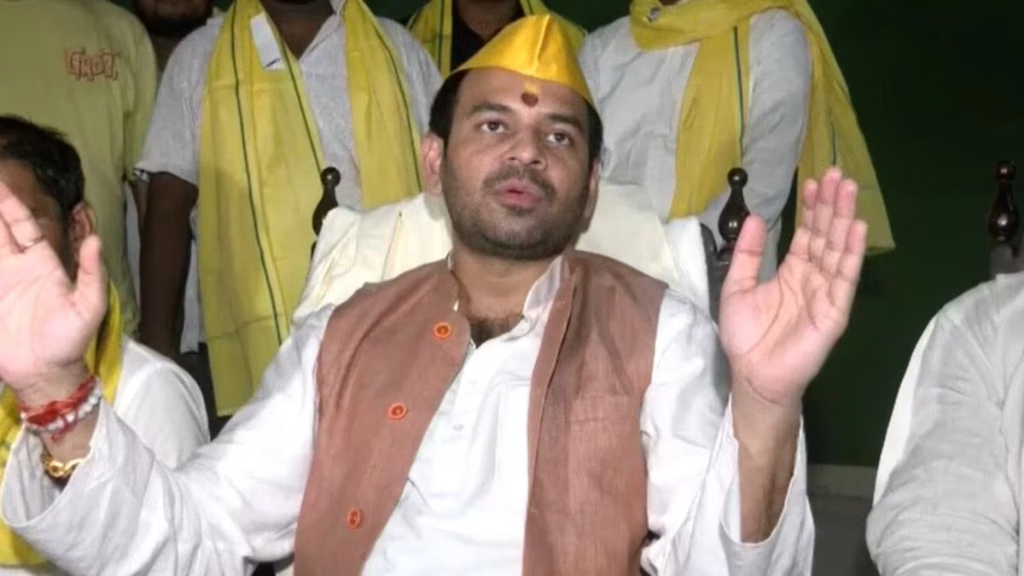
While Tej Pratap Yadav clarified that the invitation was rooted in tradition, political timing always matters. Bihar politics is witnessing constant realignments, and every move by leaders of Janshakti Janata Dal is closely watched.
The chura-dahi invitation could be interpreted in several ways:
- A gesture of reconciliation, even if informal
- A cultural act without political intent
- A message of unity to Yadav voters
- An assertion that politics should not override family bonds
Regardless of interpretation, the move has kept Janshakti Janata Dal in public discussion.
Public Reaction and Media Attention
Social media platforms and local news outlets quickly picked up Tej Pratap Yadav’s statement. Supporters of Janshakti Janata Dal praised the gesture as respectful and culturally rooted, while others viewed it as a mature step in Bihar’s often polarized political environment.
For voters, especially in rural Bihar, such moments resonate deeply. Festivals, food, and family remain powerful connectors — something Janshakti Janata Dal seems keenly aware of.
Janshakti Janata Dal’s Political Vision
Since its formation, Janshakti Janata Dal has focused on:
- Youth participation
- Social equality
- Grassroots politics
- Cultural identity
Tej Pratap Yadav has repeatedly emphasized that Janshakti Janata Dal is not just another political party but a movement aimed at giving voice to marginalized communities.
By combining cultural symbolism with political messaging, Janshakti Janata Dal is trying to establish emotional connect alongside ideological positioning.
Father-Son Dynamics in Indian Politics
Indian politics has seen many father-son or family-led political narratives. From the Nehru-Gandhi family to regional political dynasties, personal relationships often intersect with public life.
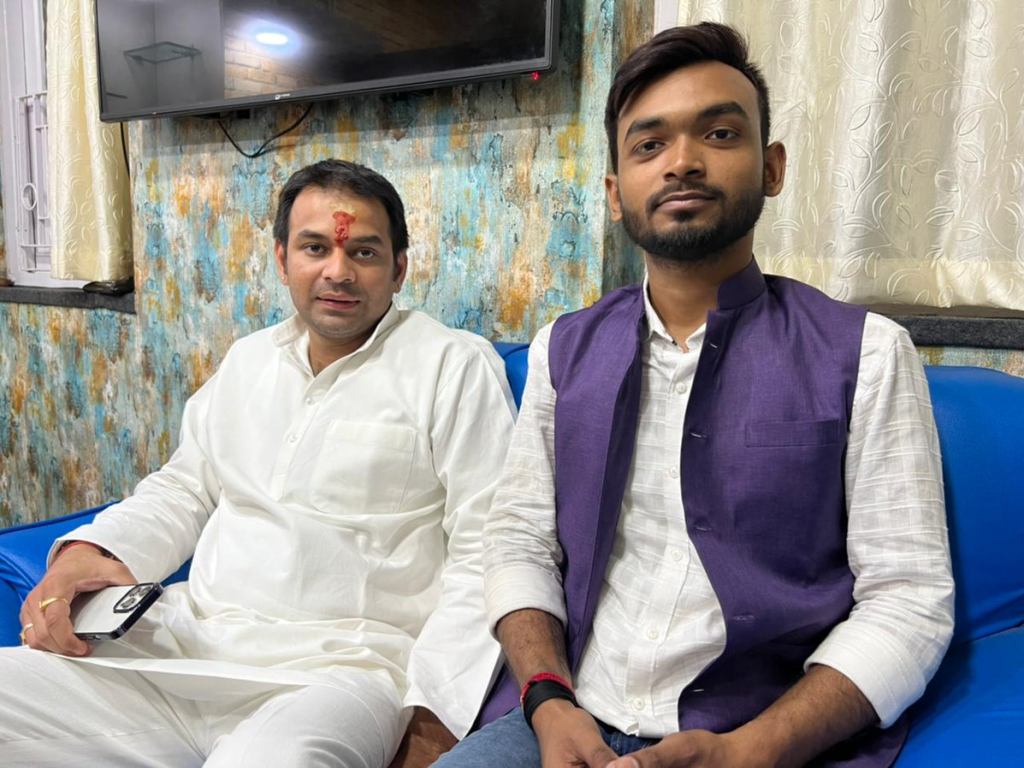
In this context, the relationship between Tej Pratap Yadav and Lalu Prasad Yadav remains significant. Despite political divergence, moments like the Makar Sankranti invitation show that familial respect continues.
For Janshakti Janata Dal, maintaining this balance is crucial — asserting independence while honoring legacy.
Cultural Politics and Bihar
Bihar’s political culture is deeply intertwined with traditions, festivals, and social customs. Leaders who connect with cultural sentiments often enjoy stronger grassroots support.
By highlighting chura-dahi — a dish symbolizing simplicity and unity — Janshakti Janata Dal taps into the emotional fabric of Bihar society.
This approach aligns with Tej Pratap Yadav’s public persona, which blends spiritual, cultural, and political elements.
Will This Gesture Impact Political Alliances?
At present, there is no official indication that this invitation signals any political alliance or merger. Janshakti Janata Dal continues to function independently, and Tej Pratap Yadav has not hinted at any organizational changes.
However, politics thrives on symbolism. Even a simple festival invitation can soften perceptions and open informal communication channels.
Voices from Janshakti Janata Dal Supporters
Supporters of Janshakti Janata Dal view the move positively. Many believe that Tej Pratap Yadav has shown political maturity by separating family tradition from political competition.
Party workers argue that Janshakti Janata Dal stands for inclusive politics — where respect, culture, and dialogue matter.
Opposition Reactions
Opposition leaders have largely refrained from strong reactions, though some political commentators have called it a “soft political signal.” Others believe it is purely cultural and should not be overanalyzed.
Regardless, Janshakti Janata Dal has succeeded in drawing attention without making controversial statements.
Festival Politics: A Common Strategy
Indian politicians frequently use festivals to connect with voters. Whether it is Diwali, Eid, Chhath, or Makar Sankranti, such occasions provide opportunities to showcase cultural alignment.
In this sense, Janshakti Janata Dal is following a familiar yet effective political strategy — connecting leadership with tradition.
Conclusion: More Than Just a Meal
Tej Pratap Yadav’s invitation to Lalu Prasad Yadav for chura-dahi on Makar Sankranti may appear simple on the surface, but it carries layers of meaning.
For Janshakti Janata Dal, it reflects:
- Cultural rootedness
- Emotional intelligence
- Political maturity
- Respect for legacy
Whether or not it has long-term political implications, the gesture reinforces the idea that politics does not always have to be confrontational.
As Bihar’s political landscape evolves, Janshakti Janata Dal continues to define its identity — one that blends tradition, emotion, and ambition. And in a state where food, festivals, and family bonds matter deeply, sometimes a plate of chura-dahi speaks louder than a political speech.
Read More latest news

