
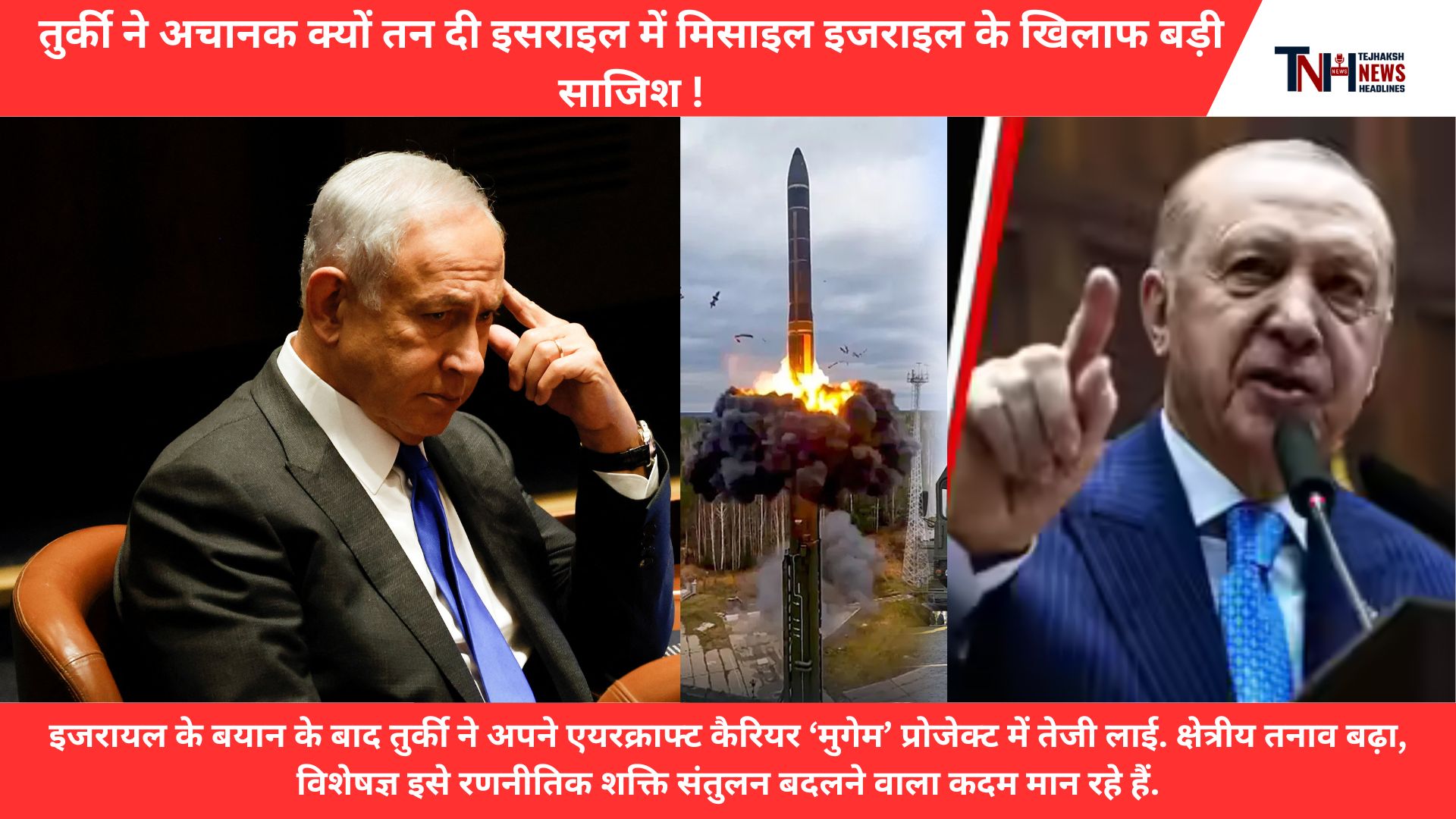
Israel–Turkey Tensions Rise: Strategic Shockwaves as “Israel called Turkey the next Iran” Sparks Mugem Carrier Push
The geopolitical landscape of the Middle East is once again shifting rapidly. A controversial statement—“Israel called Turkey the next Iran”—has ignited a fresh wave of tensions between two historically complex regional powers. This remark has not only deepened diplomatic rifts but has also triggered tangible military responses, most notably Turkey’s accelerated push toward completing its ambitious Mugem aircraft carrier project.
In this blog, we explore how Israel called Turkey the next Iran has become more than just rhetoric—it is now a catalyst for strategic transformation, military buildup, and a possible redefinition of regional power balances.
Rising Friction Why Israel Called Turkey the Next Iran
The phrase Israel called Turkey the next Iran reflects a growing perception within Israeli strategic circles that Turkey could emerge as a dominant adversary in a post-Iran conflict scenario. This perception is rooted in several developments:
- Turkey’s increasingly assertive foreign policy
- Its expanding military-industrial capabilities
- Strong rhetoric from Turkish leadership against Israeli actions
- Regional competition in Syria, the Eastern Mediterranean, and beyond
Experts argue that when Israel called Turkey the next Iran, it signaled a shift in strategic thinking—viewing Ankara not just as a diplomatic rival but as a long-term geopolitical challenge.
According to recent analyses, tensions between the two nations have already been escalating, with both sides competing for influence and credibility in the region.
Turkey Response The Mugem Aircraft Carrier
Following the moment when Israel called Turkey the next Iran, Ankara responded not with mere statements, but with action. Turkey accelerated its flagship naval project—the Mugem aircraft carrier.
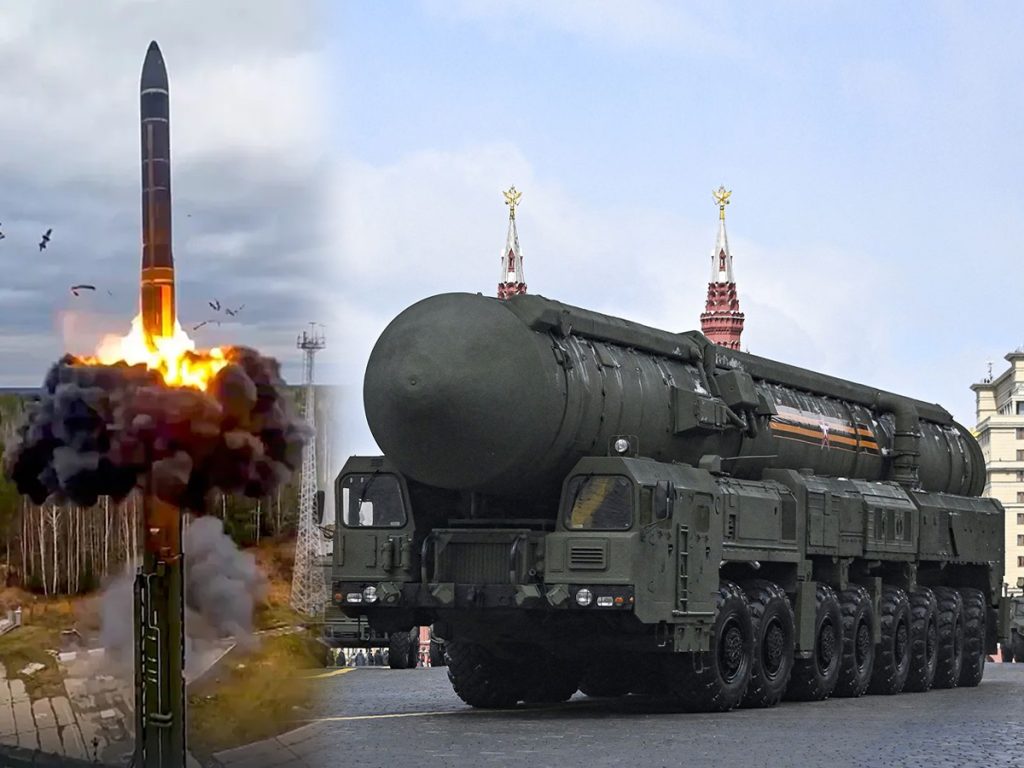
What is the Mugem Carrier?
- A 60,000-ton indigenous aircraft carrier
- Approximately 285 meters long
- Designed to carry both manned and unmanned aircraft
- Equipped with advanced radar and missile systems
- Expected launch between 2027–2030
The Mugem is not just a military asset—it is a symbol of Turkey’s ambition to become a global naval power.
After Israel called Turkey the next Iran, the urgency around Mugem increased significantly. Construction timelines have reportedly been accelerated, and domestic defense industries have been mobilized to support the project.
Strategic Meaning Behind the Mugem Acceleration
The timing is critical. When Israel called Turkey the next Iran, it coincided with broader regional instability, including:
- The aftermath of Israel–Iran confrontations
- Power vacuums in Syria
- Maritime disputes in the Eastern Mediterranean
Turkey’s response via Mugem indicates several strategic intentions:
1. Power Projection
Aircraft carriers enable nations to project power far beyond their borders. By accelerating Mugem after Israel called Turkey the next Iran, Ankara is signaling readiness to operate globally.
2. Deterrence Strategy
The move serves as a deterrent. Turkey wants to ensure that any adversary—including Israel—thinks twice before escalating tensions.
3. Strategic Autonomy
Mugem is a fully indigenous project, reflecting Turkey’s goal of reducing dependence on Western defense systems.
Regional Reactions and Implications
The statement Israel called Turkey the next Iran has not gone unnoticed internationally. Analysts believe it could reshape alliances and rivalries:

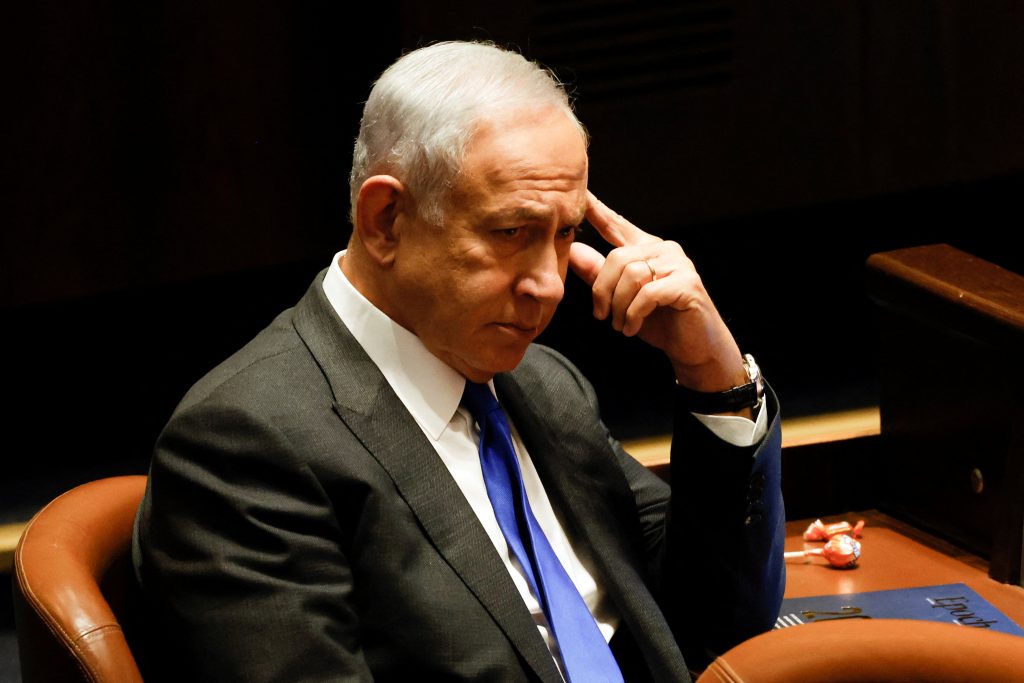
Eastern Mediterranean Tensions
Israel has strengthened ties with Greece and Cyprus, while Turkey seeks to assert its maritime claims.
NATO Complications
Turkey is a NATO member, unlike Iran. When Israel called Turkey the next Iran, it raised concerns within NATO about internal fractures.
Middle East Power Shift
With Iran weakened in recent conflicts, the idea that Israel called Turkey the next Iran suggests a transition in perceived threats—from Tehran to Ankara.
Military Capabilities Mugem Role in the Balance of Power
The Mugem carrier could dramatically alter naval dynamics:
- Ability to deploy stealth drones like KIZILELMA and ANKA-III
- Advanced missile defense systems
- Integration with submarines and destroyers
When Israel called Turkey the next Iran, it indirectly accelerated the emergence of a more technologically advanced Turkish navy.
Political Messaging and Symbolism
Statements like Israel called Turkey the next Iran are not just military assessments—they are political messages.
For Israel:
- It signals preparedness for future threats
- It frames Turkey within a familiar adversarial narrative
For Turkey:
- It reinforces national unity
- It justifies defense spending
- It strengthens domestic political narratives
Could This Lead to Conflict?
Despite rising tensions, a direct conflict remains unlikely—for now.
Reasons include:
- Turkey’s NATO membership
- Economic interdependence
- Global pressure to avoid escalation
However, the phrase Israel called Turkey the next Iran increases the risk of:
- Proxy conflicts
- Diplomatic breakdowns
- Arms race escalation

The Bigger Picture: A New Middle East Order
The moment Israel called Turkey the next Iran may mark the beginning of a new geopolitical era.
Key Trends:
- Shift from Iran-centric security concerns
- Rise of Turkey as a strategic competitor
- Increased militarization of the region
Turkey’s Mugem project is central to this transformation. It represents not just defense capability, but ambition—an ambition that could redefine regional hierarchies.

Conclusion
The statement Israel called Turkey the next Iran has proven to be far more than rhetoric. It has triggered real-world consequences, most notably Turkey’s accelerated development of the Mugem aircraft carrier.
As tensions rise, the Middle East stands at a crossroads. Whether this leads to confrontation or recalibration depends on how both nations—and the international community—navigate the evolving dynamics.
One thing is clear:
Israel called Turkey the next Iran, and the ripple effects of that statement are reshaping the future of regional power.
Read more latest news

