
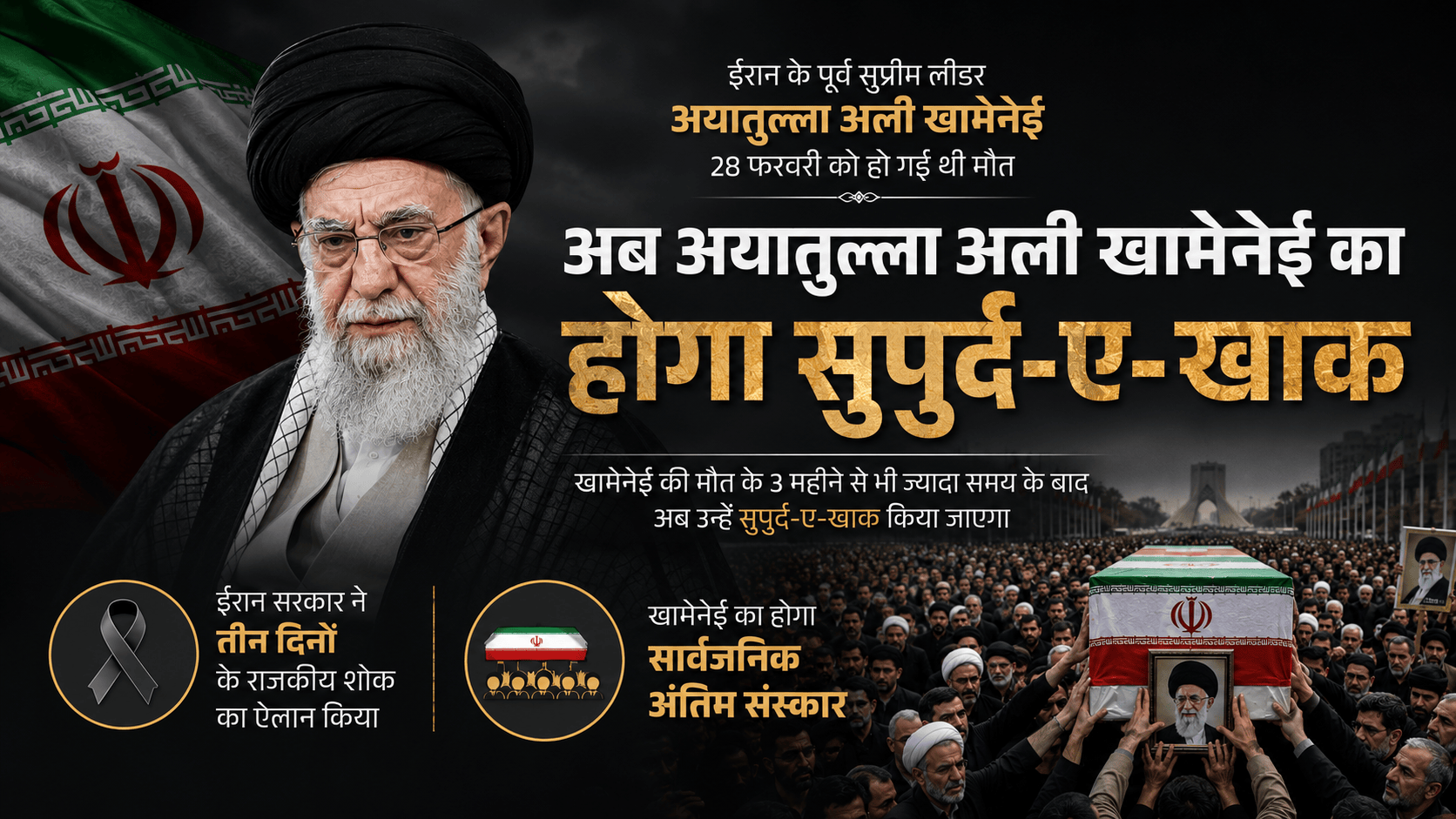
Iran Former Supreme Leader Khamenei to Be Laid to Rest After More Than Three Months: Iran Announces State Mourning and Public Funeral
Introduction
As preparations continue, the funeral of Iran former Supreme Leader Khamenei is being viewed not only as a national event but also as a historic moment that marks the end of an era in Iranian politics.
Iran is preparing for one of the most significant events in its modern history as the country gets ready to bid a final farewell to Iran former Supreme Leader Khamenei. More than three months after his death on February 28, the Iranian government has officially announced that a public funeral and burial ceremony will now take place. The government has also declared three days of national mourning, with preparations underway in major cities across the country.
The announcement has drawn widespread attention both inside Iran and internationally. Millions of Iranians are expected to participate in funeral processions, memorial services, and public gatherings to honor the leader who shaped the political and religious direction of the Islamic Republic for decades.
The Legacy of Khamenei
For decades, Iran former Supreme Leader Khamenei stood at the center of Iran’s political and religious system. His influence extended far beyond the country’s borders, affecting regional politics, international diplomacy, and the balance of power in the Middle East.
Throughout his tenure, he oversaw major political developments, economic challenges, sanctions, regional conflicts, and diplomatic negotiations. Supporters viewed him as a defender of Iran’s sovereignty and Islamic values, while critics often challenged aspects of his policies and governance.
Regardless of political opinion, there is little disagreement about the profound impact Iran former Supreme Leader Khamenei had on Iran’s modern history.
The Death That Shocked the Nation
The news of Khamenei’s death on February 28 sent shockwaves throughout Iran and the wider world. Citizens gathered in mosques, public squares, and religious centers to pray and mourn.
State television interrupted regular programming to provide continuous coverage of the announcement. Government institutions lowered flags and organized memorial ceremonies. Messages of condolence arrived from political leaders, religious figures, and organizations across the globe.
For many Iranians, the death of Iran former Supreme Leader Khamenei represented the loss of a leader who had guided the nation through some of its most challenging periods.
Why the Funeral Was Delayed
One of the most discussed aspects following his death was the delay in holding a formal state funeral. Normally, prominent national leaders are buried within a relatively short period after death. However, the situation surrounding Khamenei’s passing was far from ordinary.
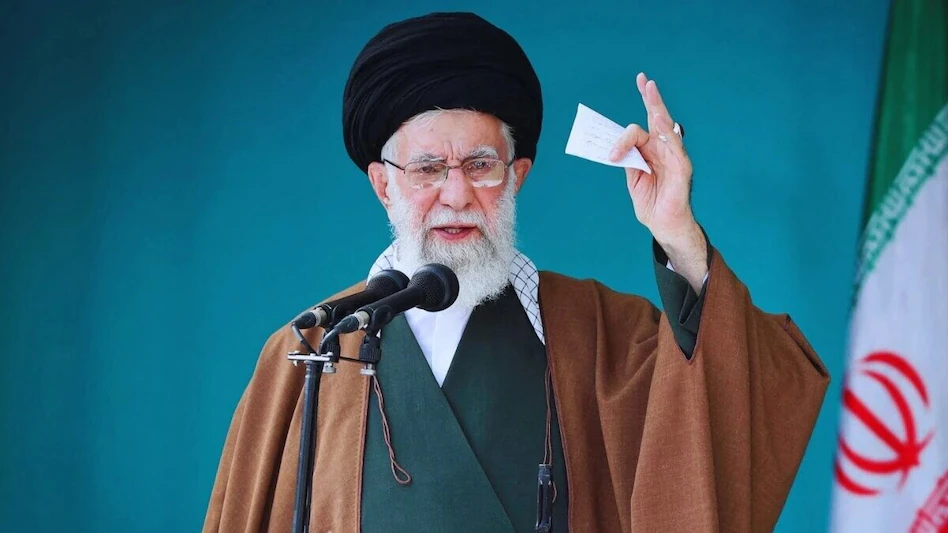
Regional tensions, security concerns, and logistical challenges reportedly contributed to the postponement of the final burial ceremony. Authorities focused on maintaining stability while organizing a funeral that would be capable of accommodating millions of mourners.
As a result, more than three months passed before the government announced the official funeral plans for Iran former Supreme Leader Khamenei.
Three Days of National Mourning
The Iranian government has declared three days of state mourning ahead of the funeral ceremonies. During this period, government offices, public institutions, and media organizations will participate in commemorative activities.
Flags will be flown at half-staff, while special religious services will be held throughout the country. National television networks are expected to broadcast documentaries, speeches, and tributes reflecting on the life and achievements of Iran former Supreme Leader Khamenei.
The mourning period is intended to provide citizens with an opportunity to collectively honor the leader’s memory and legacy.
Preparations Across Major Cities
Preparations have begun in several major Iranian cities, including Tehran, Mashhad, Qom, Isfahan, Shiraz, and Tabriz. Municipal authorities are coordinating with religious institutions, security agencies, and community organizations to manage the expected crowds.
Large banners, portraits, and memorial displays are being installed along major roads and public squares. Public transportation services are also expected to increase capacity to accommodate travelers coming from different regions of the country.
Officials estimate that the funeral of Iran former Supreme Leader Khamenei could attract one of the largest public gatherings in Iran’s recent history.
Tehran at the Center of the Ceremony
As the capital city, Tehran will serve as the primary location for many of the funeral events. Government buildings and religious centers have already begun preparations for ceremonies expected to draw enormous crowds.
Security forces are coordinating extensive plans to ensure public safety and manage transportation. Medical teams, emergency services, and volunteer organizations are also preparing to support attendees.
For many citizens, traveling to Tehran to participate in the farewell of Iran former Supreme Leader Khamenei is viewed as both a civic and religious duty.
Religious Significance of the Funeral
The role of Supreme Leader in Iran combines both political authority and religious leadership. Therefore, the funeral carries significance that extends beyond a typical state ceremony.
Religious scholars and clerics have announced special prayers and memorial gatherings in honor of Iran former Supreme Leader Khamenei. Mosques throughout the country are expected to hold services dedicated to his memory.
Many supporters believe that his influence on religious institutions and Islamic scholarship will continue long after his passing.
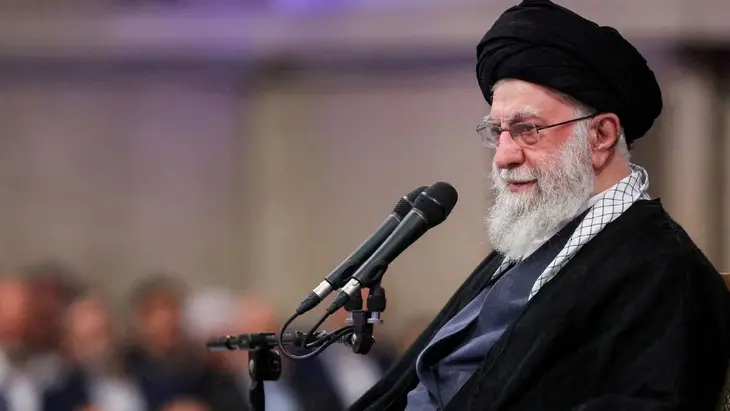
Public Reactions Across Iran
Public reactions have reflected the diverse views that exist within Iranian society. Supporters have praised his leadership, emphasizing his role in preserving national independence and maintaining the country’s political system.
Many citizens have shared personal stories about how his speeches and policies influenced their lives. Others have expressed gratitude for what they view as decades of stability and continuity.
At the same time, some critics have used the occasion to reflect on controversial decisions made during his leadership. Nevertheless, even critics acknowledge the historical importance of Iran former Supreme Leader Khamenei and his influence on the country’s trajectory.
International Attention
The funeral has attracted considerable international attention. Governments, diplomats, analysts, and media organizations around the world are closely monitoring developments.
Several countries are expected to send official delegations to attend the ceremonies. International observers see the event as an important moment that could influence future diplomatic relationships and regional politics.
The passing and funeral of Iran former Supreme Leader Khamenei have become major topics of discussion in political circles worldwide.
Impact on the Middle East
Throughout his leadership, Khamenei played a significant role in shaping Iran’s relationships with neighboring countries and regional organizations.
His policies influenced conflicts, alliances, and strategic partnerships across the Middle East. As a result, the funeral is being viewed as more than a domestic event; it is also a moment with broader regional implications.
Political analysts continue to debate how the legacy of Iran former Supreme Leader Khamenei will affect future developments in the region.
Security Measures
Given the expected size of the crowds, authorities have implemented extensive security measures. Police, military personnel, intelligence agencies, and emergency responders are coordinating efforts to maintain order.
Road closures, crowd-control systems, and enhanced surveillance measures are expected to be in place throughout the funeral period.
Officials emphasize that ensuring the safety of attendees remains a top priority during the ceremonies honoring Iran former Supreme Leader Khamenei.
The Next Chapter for Iran
The funeral also symbolizes a transition into a new political chapter. Leadership changes often bring questions about future policies, governance, and national priorities.
Although Iran’s political institutions continue to function, many observers believe the death of Iran former Supreme Leader Khamenei marks the conclusion of a distinctive period in the country’s history.
The coming years will reveal how future leaders build upon or modify the foundations established during his tenure.
Historical Comparisons
Historians have compared the upcoming funeral to other major state funerals that have shaped national memory. Such events often become defining moments that reflect a country’s values, traditions, and collective identity.
Many expect the funeral of Iran former Supreme Leader Khamenei to be remembered for decades due to its scale, symbolism, and historical significance.
The ceremony will likely be documented extensively by journalists, historians, and researchers studying contemporary Iran.
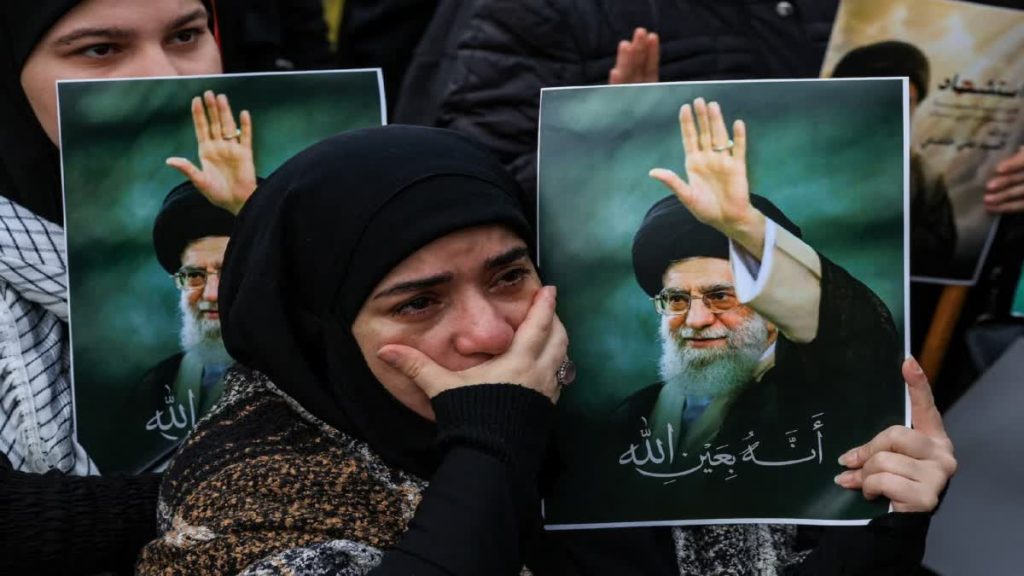
Remembering a Complex Legacy
Like many long-serving leaders, Khamenei leaves behind a complex legacy. Supporters credit him with defending national interests, resisting foreign pressure, and maintaining ideological consistency.
Critics point to political restrictions, economic difficulties, and controversial decisions made during his leadership. Yet even among those who disagreed with his policies, there is recognition that his influence was extraordinary.
The story of Iran former Supreme Leader Khamenei is inseparable from the story of modern Iran itself.
Conclusion
More than three months after his death on February 28, Iran is finally preparing to lay Iran former Supreme Leader Khamenei to rest. The announcement of a public funeral and three days of national mourning has triggered large-scale preparations across the country.
Millions of people are expected to participate in ceremonies honoring a leader who played a central role in shaping Iran’s political and religious identity for decades. Streets are being prepared, security plans finalized, and memorial events organized in major cities nationwide.
As the nation gathers to say its final goodbye, the funeral of Iran former Supreme Leader Khamenei will stand as a defining moment in Iran’s contemporary history. Whether remembered primarily as a political strategist, religious authority, national leader, or controversial figure, his impact on Iran and the wider Middle East will continue to be studied and debated for generations to come.
read more latest news

