
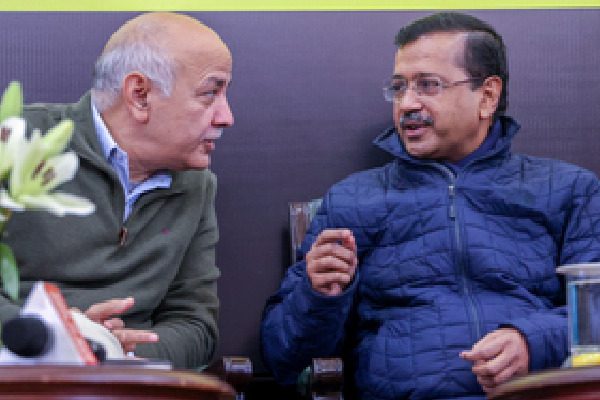
Home Ministry ED Gets Nod to Prosecute Arvind Kejriwal, Manish Sisodia in Delhi Liquor Policy Scam
Home Ministry The Delhi liquor policy case has taken a dramatic turn as the Enforcement Directorate (ED) received the Home Ministry’s approval to prosecute Delhi Chief Minister Arvind Kejriwal and former Deputy CM Manish Sisodia. This development intensifies the scrutiny surrounding the Delhi Excise Policy 2021-22, which has been under investigation for alleged irregularities and corruption. The move could have significant political ramifications as it places two senior leaders of the Aam Aadmi Party (AAP) in the crosshairs of central investigative agencies.
Home Ministry Background of the Liquor Policy Scam
The Delhi Excise Policy 2021-22 was introduced by the AAP government with the stated aim of reforming the liquor trade in the national capital. Key features of the policy included:
- Privatization of Liquor Vends: Government-run liquor shops were shut down, and the retail liquor trade was privatized.
- Revenue Generation: The policy aimed to enhance state revenue by streamlining liquor licensing.
- Consumer Benefits: Promises of better facilities, wider product availability, and competitive pricing were made.
However, the policy came under fire when opposition parties alleged that it was designed to benefit private liquor barons at the expense of public interest.
Home Ministry Allegations Against the Policy
- Favoritism in Licensing:
- It is alleged that licenses were granted to select private companies in exchange for bribes.
- Revenue Loss:
- Critics claim that the policy caused significant revenue losses to the Delhi government by offering undue benefits to certain firms.
- Irregularities in Tendering:
- The tendering process allegedly lacked transparency, favoring a few entities tied to political leaders.
- Kickbacks and Money Laundering:
- The ED and CBI have alleged that kickbacks amounting to hundreds of crores of rupees were paid to political leaders and bureaucrats.
Home Ministry Investigation So Far
The case has been under investigation by multiple central agencies, including the Central Bureau of Investigation (CBI) and the ED. The following are significant developments in the case:
- Manish Sisodia’s Arrest:
- Sisodia, the architect of the excise policy, was arrested in February 2023 on charges of corruption.
- Money Trail:
- The ED claims to have unearthed a money trail linking alleged kickbacks to political leaders and middlemen.
- Raids and Arrests:
- The ED and CBI have conducted multiple raids across India, seizing incriminating documents, cash, and digital evidence.
- Revised Policy:
- Following the controversy, the Delhi government scrapped the 2021-22 policy and reverted to the old excise regime.
Home Ministry’s Nod for Prosecution
The Home Ministry’s approval is a pivotal moment in the case. Under the Prevention of Money Laundering Act (PMLA), the ED requires prior sanction to prosecute public servants for alleged offenses.
- Approval Details:
- The Home Ministry has reportedly reviewed extensive evidence gathered by the ED and granted permission for legal proceedings against Kejriwal and Sisodia.
- Charges Against Kejriwal:
- The ED alleges that Kejriwal had knowledge of, and may have actively participated in, decisions that facilitated the alleged scam.
- Role of Sisodia:
- As the primary architect of the excise policy, Sisodia is accused of masterminding the irregularities.
Political Reactions
The decision has sparked a political storm, with reactions pouring in from across the spectrum:
- AAP’s Response:
- The AAP has dismissed the charges as politically motivated, accusing the central government of misusing investigative agencies to target opposition leaders.
- Kejriwal, in a press conference, stated, “This is an attempt to derail our governance model and silence us.”
- BJP’s Stand:
- The BJP has welcomed the Home Ministry’s nod, accusing the AAP of running a “liquor-for-bribes” scheme.
- Senior BJP leaders have demanded the immediate resignation of Kejriwal.
- Opposition Parties:
- Some opposition parties have expressed concern over the perceived misuse of central agencies, while others have maintained a cautious stance.
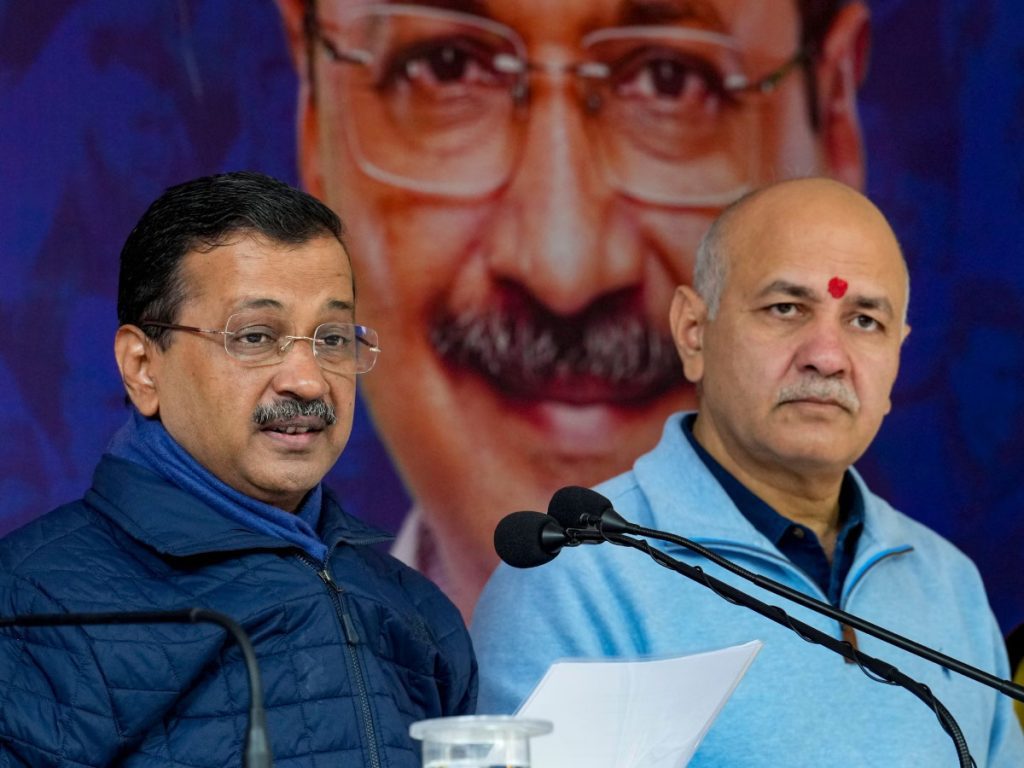
Implications for Arvind Kejriwal and AAP
The approval to prosecute Kejriwal and Sisodia could have far-reaching consequences for the AAP and its leadership:
- Legal Challenges:
- Kejriwal and Sisodia may face arrest and prolonged legal battles, potentially derailing their political careers.
- Impact on AAP:
- The party’s credibility as a corruption-free alternative to traditional political outfits could be severely dented.
- Governance in Delhi:
- The ongoing investigation and potential arrests could disrupt the functioning of the Delhi government.
- National Ambitions:
- AAP’s plans to expand its footprint nationally could be jeopardized by the scandal.
ED’s Findings in the Case
The ED has reportedly uncovered significant evidence, including:
- Bank Transactions:
- Financial records showing suspicious transactions linked to key accused individuals.
- WhatsApp Chats and Emails:
- Communications indicating collusion between politicians and liquor lobbyists.
- Statements of Witnesses:
- Testimonies from bureaucrats and industry insiders pointing to irregularities.
- Foreign Connections:
- Allegations of money laundering involving overseas entities.
Legal and Constitutional Aspects
The case also raises questions about legal and constitutional provisions:
- Accountability of Public Servants:
- The prosecution of sitting chief ministers and senior leaders highlights the importance of accountability in public office.
- Federalism and Central Agencies:
- The role of central agencies in probing state governments has reignited debates about federalism.
- Judicial Oversight:
- The judiciary’s role in ensuring a fair and unbiased trial will be critical.
Broader Implications
The Delhi liquor policy scam is emblematic of the challenges India faces in tackling corruption and maintaining transparency in governance:
- Public Trust:
- Cases like this erode public trust in democratic institutions.
- Need for Reforms:
- The controversy underscores the need for systemic reforms in policy-making and implementation.
- Strengthening Oversight:
- Independent oversight mechanisms are crucial to prevent misuse of power and ensure accountability.
Conclusion
The Home Ministry’s nod to prosecute Arvind Kejriwal and Manish Sisodia marks a significant escalation in the Delhi liquor policy case. While the AAP leadership denies wrongdoing and alleges political vendetta, the ED’s findings have raised serious questions about the integrity of the excise policy.
As the legal process unfolds, the case is set to become a litmus test for India’s commitment to fighting corruption and upholding the rule of law. It also serves as a cautionary tale for policymakers, emphasizing the importance of transparency, accountability, and ethical governance in public administration.
Read more Latest news

