

Hindenburg Research Shut Down After Adani’s $150 Billion Rout?
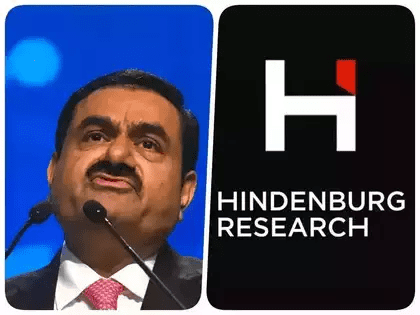
Hindenburg Research, the famed short-selling firm known for its scathing reports on major corporations, shocked the financial world when it announced its closure. This decision came less than a year after its high-profile report against the Adani Group, which wiped out over $150 billion in the conglomerate’s market value. The closure of Hindenburg has sparked intense speculation and debate among financial analysts, industry insiders, and the public. Here’s an in-depth look at the reasons, implications, and legacy of the firm.
A Look Back: Hinden burg and the Adani Group Report
The Adani Report
In January 2023, Hinden burg Research released a detailed 100-page report accusing the Adani Group of stock manipulation, accounting fraud, and improper use of offshore tax havens.
- The report claimed that Adani’s meteoric rise in wealth and stock valuations was built on questionable foundations.
- It highlighted alleged inflated valuations, undisclosed insider transactions, and artificially inflated stock prices.
Impact on the Adani Group
The report led to a massive sell-off in Adani stocks, wiping out $150 billion in market value within weeks.
- Several international investment firms, including Credit Suisse and Citigroup, reassessed their exposure to Adani-linked securities.
- Adani refuted the allegations, but the damage to its reputation and stock market position was severe.
The Sudden Closure of Hinden burg Research
Hindenburg Research, led by Nathan Anderson, was riding high on its success against Adani and other targets, such as Nikola Motors and Lordstown Motors. However, its abrupt decision to shut down has raised several questions.
Possible Reasons for Closure
- Legal and Regulatory Pressures
- After the Adani report, Hinden burg faced multiple lawsuits in jurisdictions like India, the U.S., and Singapore.
- The Indian government launched a probe into the firm’s financial practices, accusing it of deliberately manipulating markets for personal gain.
- Defending itself against lawsuits and regulatory scrutiny became an expensive and time-consuming endeavor.
- Heightened Scrutiny of Short-Selling Practices
- Global regulators increased scrutiny on short-sellers after the Adani debacle, introducing stricter disclosure norms.
- Hindenburg’s methods, including using offshore accounts and anonymous sources, came under fire.
- Reputation Risk and Backlash
- While some hailed Hinden burg as a whistleblower exposing corporate fraud, others accused it of profiting from fear and market instability.
- Critics argued that the firm operated in a “gray area” of ethics, damaging legitimate businesses to make a profit.
- Financial Strain
- Mounting legal fees and declining short-selling opportunities might have strained Hindenburg’s finances.
- The firm’s aggressive approach created enemies in powerful corporate and political circles, potentially isolating it from allies and funding sources.
- Nathan Anderson’s Personal Decision
- The closure could stem from a personal decision by Nathan Anderson, Hindenburg’s founder, to pivot to other ventures or avoid prolonged conflict.
Implications of Hindenburg’s Shutdown
For the Financial Markets
- The closure marks the end of one of the most influential short-selling firms, potentially reducing oversight on corporate malpractices.
- Short-sellers play a vital role in exposing fraudulent practices; without firms like Hindenburg, some companies might operate unchecked.
For the Adani Group
- Adani’s stock prices have started recovering, though investor confidence remains fragile.
- The firm’s vindication claims could gain traction following Hindenburg’s closure, potentially strengthening its position in legal battles.
For the Short-Selling Industry
- Hindenburg’s exit might discourage other firms from taking aggressive positions against large corporations.
- The industry may adopt more cautious and transparent approaches to avoid regulatory crackdowns.
The Legacy of Hindenburg Research
Despite its controversial methods, Hindenburg left an indelible mark on the financial world:
- Highlighting Corporate Misconduct
- The firm exposed fraud in companies like Nikola Motors, resulting in significant regulatory action and corporate reform.
- Empowering Retail Investors
- By providing detailed reports, Hindenburg armed retail investors with critical insights into corporate practices.
- Shaping Market Dynamics
- The firm’s work sparked debates on transparency, corporate governance, and the ethics of short-selling.
What Comes Next?
For Nathan Anderson
- Speculation abounds about Anderson’s next move. He may reemerge with a new venture, possibly in a different capacity within the financial ecosystem.
For Adani and Other Targets
- Hindenburg’s absence could embolden corporations facing scrutiny, but it might also inspire stricter oversight from regulators.
For Investors
- The closure serves as a reminder for investors to conduct their due diligence and not rely solely on third-party reports.
Conclusion
The closure of Hindenburg Research represents a significant shift in the financial world. While its methods were polarizing, its role in exposing corporate fraud and influencing market dynamics is undeniable. The firm’s exit raises questions about the future of accountability in global markets and leaves a void in the world of short-selling. As the dust settles, one thing is clear: the debates sparked by Hindenburg’s work will continue to shape financial discourse for years to come.
Read More Latest News

