
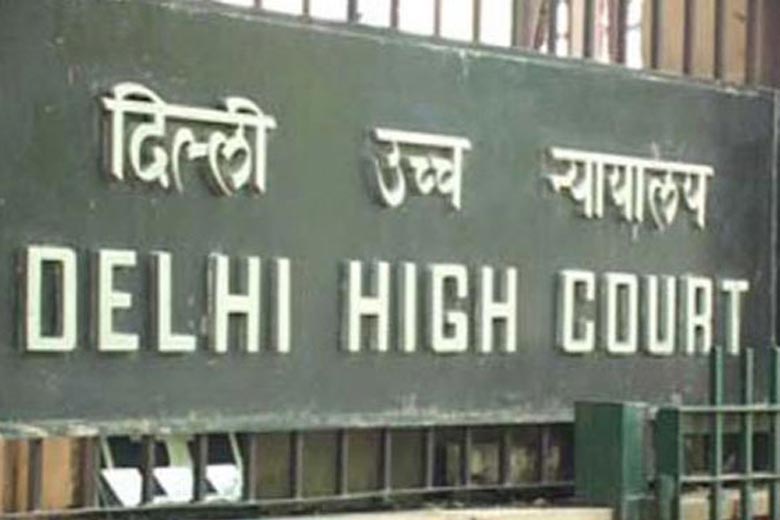
Delhi High Court’s Landmark Judgment Contemplating Terrorist Acts as Terrorism:
High Court The Delhi HC recently delivered a groundbreaking judgment that has significant implications for the fight against terrorism. The court ruled that “contemplating a terrorist act for years is also an act of terrorism.” This pronouncement underscores the evolving nature of counterterrorism laws and broadens the scope of what constitutes terrorism under Indian law.
In this blog, we will explore the court’s rationale, its implications for law enforcement and civil liberties, and how it aligns with global trends in combating terrorism.
The Case Background: Context and Charges
High Court The ruling came during a hearing related to a high-profile case where the accused individuals were charged under the Unlawful Activities (Prevention) Act (UAPA). The case revolved around:
- Prolonged Planning: The accused were alleged to have been planning a terrorist attack for several years.
- Radicalization Evidence: Investigators presented evidence of radical ideology, training, and communication with terror outfits.
- No Immediate Action Taken: Critics argued that no attack had been executed, raising questions about whether planning alone could justify terrorism charges.
The High Court’s decision clarified that the act of prolonged contemplation or preparation for terrorism falls within the ambit of terrorism itself.
Delhi High Court’s Rationale
High Court The judgment emphasized the following points:
1. Prevention Over Reaction
- The court underscored the importance of preemptive action in combating terrorism.
- Contemplation, planning, and preparation for an attack create an environment of fear and instability, which are hallmarks of terrorism.
2. Psychological Impact of Terrorism
- Even unexecuted plans can have a psychological impact, instilling fear in society.
- Radicalized individuals actively contemplating terrorism contribute to a climate of insecurity.
3. Broad Definition of Terrorism Under UAPA
- The court referred to provisions of the UAPA, which define terrorism to include acts that threaten the unity, sovereignty, and security of India.
- The interpretation covers not just physical acts but also preparatory and conspiratorial stages.
4. Accountability for Radicalization
- Prolonged contemplation often involves recruitment, training, and indoctrination, which are integral to the ecosystem of terrorism.
- The judgment sets a precedent for holding individuals accountable at earlier stages of the terror process.
Implications of the Judgment
This decision has wide-ranging implications for law enforcement, legal systems, and civil liberties in India.
1. Strengthened Counterterrorism Measures
- Law enforcement agencies now have broader authority to act against individuals suspected of prolonged planning or radicalization.
- It enables authorities to intervene at earlier stages, potentially averting large-scale attacks.
2. Shift in Legal Threshold
- The ruling shifts the threshold for prosecution under terrorism laws from action to intent and preparation.
- It places a greater burden on investigative agencies to provide evidence of radicalization and intent.
3. Challenges to Civil Liberties
- Critics argue that the ruling could lead to misuse of counterterrorism laws, with individuals being charged based on intent rather than action.
- There is a risk of arbitrary arrests, particularly in cases involving ideological dissent or activism.
4. Global Alignment
- The decision aligns India’s counterterrorism framework with global practices, where intent and planning are recognized as critical stages of terrorism.
Legal and Ethical Debates
The judgment has sparked significant debate among legal experts, activists, and policymakers.
1. Supporters of the Judgment
- Advocates for stringent counterterrorism laws argue that the ruling is necessary in a global environment where terror networks operate across borders.
- Prolonged contemplation often involves complex networks, and early intervention is crucial to dismantling these operations.
2. Critics and Civil Liberties Advocates
- Critics warn that broad interpretations of terrorism laws can lead to overreach and misuse.
- The absence of an executed act makes it challenging to distinguish between genuine threats and unfounded suspicion.
3. Balancing Security and Freedom
- The judgment reignites the debate on balancing national security with individual freedoms.
- Legal safeguards and oversight mechanisms are essential to prevent abuse of power.

Global Context: How Other Nations Address Similar Issues
The Delhi High Court’s ruling resonates with counterterrorism practices in several countries.
1. United States
- Material Support for Terrorism: U.S. laws criminalize providing material support to terrorist organizations, including training and preparation.
- Proactive Measures: The FBI actively monitors individuals suspected of planning or contemplating terrorist acts.
2. United Kingdom
- The Terrorism Act 2000 allows authorities to prosecute individuals for preparatory acts, even if no attack is executed.
- Radicalization and recruitment are treated as serious offenses.
3. European Union
- EU member states have adopted stringent measures to counter radicalization and terrorist planning, emphasizing early intervention.
Balancing Act: Safeguards Against Misuse
While the ruling strengthens counterterrorism efforts, it also necessitates robust safeguards to prevent misuse.
1. Evidence-Based Investigation
- Prosecution should be based on credible evidence, not mere suspicion or ideological profiling.
2. Judicial Oversight
- Independent judicial review of cases can prevent arbitrary arrests and ensure fairness in trials.
3. Awareness and De-Radicalization
- Authorities should complement punitive measures with programs to counter radicalization and rehabilitate individuals.
4. Accountability of Law Enforcement
- Mechanisms to hold law enforcement accountable for misuse of power are critical to maintaining public trust.
Voices from the Ground: Public Reaction
1. Support for Proactive Measures
- Many citizens view the judgment as a necessary step to address the evolving threat of terrorism.
- Families of terror victims have praised the emphasis on prevention over reaction.
2. Concerns Over Civil Liberties
- Activists and legal experts have expressed concern about potential misuse, particularly against minority communities and political dissenters.
- Social media has been abuzz with debates on the implications of intent-based prosecutions.
Challenges in Implementation
Despite the ruling’s significance, implementing it effectively poses challenges.
1. Identifying Genuine Threats
- Distinguishing between genuine threats and false positives requires sophisticated intelligence and investigative capabilities.
2. Resource Constraints
- Law enforcement agencies need adequate resources and training to handle complex cases involving prolonged planning.
3. Legal Bottlenecks
- Proving intent and preparation in court can be challenging, especially in cases lacking concrete evidence of action.
Conclusion: A Landmark Judgment with Far-Reaching Implications
The Delhi High Court’s decision to equate prolonged contemplation of terrorism with terrorism itself marks a pivotal moment in India’s counterterrorism efforts. While it strengthens the legal framework to address evolving threats, it also raises critical questions about civil liberties, accountability, and the balance between security and freedom.
Moving forward, it is essential for law enforcement agencies, judiciary, and policymakers to ensure that the judgment is implemented judiciously, with adequate safeguards against misuse. Only then can India effectively combat terrorism while upholding its democratic principles.
Read more latest news

