
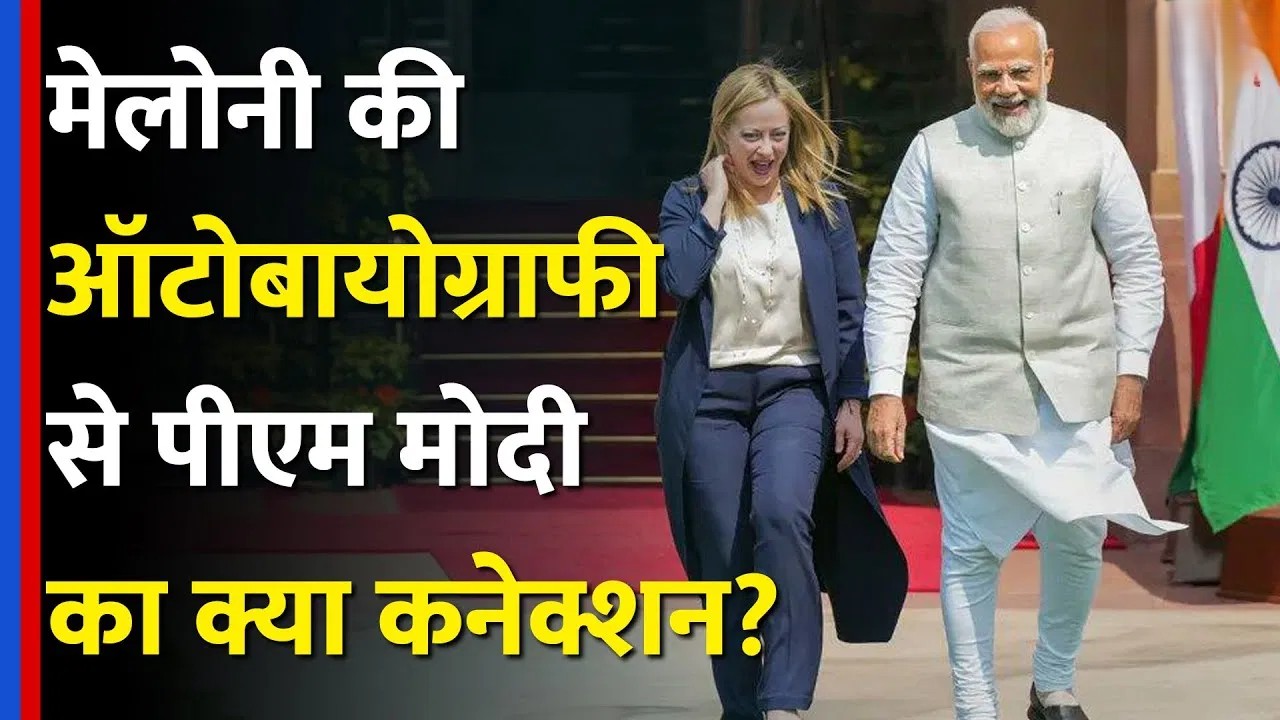
PM Narendra Modi Writes Foreword for Giorgia Meloni’s Autobiography I Am Giorgia, Calls It His ‘Mann Ki Baat’
Introduction
Giorgia Meloni’s autobiography Books often transcend borders, languages, and cultures. They become bridges between people and leaders across the world. A fascinating example of this came to light when Prime Minister Narendra Modi wrote the foreword for the Indian edition of Italian Prime Minister Giorgia Meloni’s autobiography, I Am Giorgia.
What makes this even more striking is Modi’s description of the foreword as his own form of “Mann Ki Baat”, a phrase deeply embedded in the Indian psyche due to his widely popular monthly radio address. This blending of personal reflection, diplomacy, and literature has created ripples in political and intellectual circles alike.
In this blog, we will explore the symbolism of this gesture, its impact on India-Italy relations, the political undertones, and why this collaboration is being seen as an extraordinary moment in global diplomacy.
Giorgia Meloni and I Am Giorgia: A Quick Recap
Giorgia Meloni, the charismatic Prime Minister of Italy, rose to prominence as the leader of the Brothers of Italy (Fratelli d’Italia) party. Her autobiography, I Am Giorgia, first published in Italian, is both a personal journey and a political manifesto.
In the book, she speaks candidly about:
- Her humble upbringing in Rome.
- Struggles as a woman in politics.
- Her vision for Italy’s future.
- Personal anecdotes that shaped her leadership style.
The book resonated strongly in Italy, turning her into a symbol of resilience and conviction. Its popularity soon led to translations, including the much-anticipated Indian edition.
Modi’s Foreword: A Diplomatic and Literary Gesture
For the Indian edition, Prime Minister Narendra Modi was invited to write the foreword. Instead of merely penning diplomatic niceties, Modi infused the foreword with personal reflections, philosophical depth, and parallels between India and Italy.
Calling it his “Mann Ki Baat,” Modi used the opportunity to:
- Reflect on shared democratic values between India and Italy.
- Appreciate Meloni’s rise from modest roots to becoming Italy’s first woman Prime Minister.
- Draw connections between individual resilience and national progress.
- Speak about the importance of strong leadership in turbulent global times.
This was not just a literary contribution; it was a political statement, underlining the growing strategic warmth between India and Italy.
Symbolism: Why Did Modi Call It His “Mann Ki Baat”?
“Mann Ki Baat” has been a hallmark of Modi’s leadership style. Through the monthly radio broadcast, he has built a direct, emotional connection with citizens by sharing stories, values, and reflections.
By calling his foreword a form of “Mann Ki Baat”:
- Personal Connection – Modi signaled that the foreword was not a routine political gesture but a personal message from his heart.
- Cultural Diplomacy – He translated his signature Indian concept into an international literary space.
- Leadership Parallel – Just as he uses “Mann Ki Baat” to communicate with Indians, here he used the foreword to communicate with global readers about his perspective on leadership and resilience.
India-Italy Relations: The Backdrop
This literary collaboration cannot be seen in isolation. It comes against the backdrop of a revitalized India-Italy partnership.
- Strategic Cooperation: Italy has emerged as a key partner for India in the EU and G7.
- Defense and Technology: Collaborations in defense manufacturing and green technology are growing.
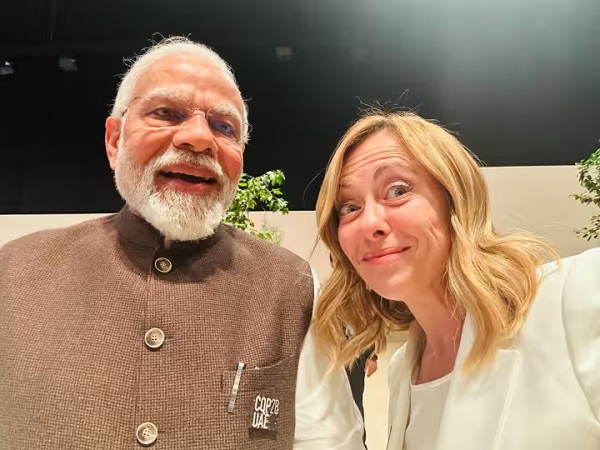
- G20 and COP Summits: Modi and Meloni have repeatedly showcased their cordial chemistry on the world stage, often going viral on social media with their warm greetings.
- Cultural Ties: From Roman history to India’s ancient civilization, both countries see themselves as custodians of deep-rooted cultures.
By associating with Meloni’s book, Modi added a soft power layer to these diplomatic ties.
Political Reactions in India
The foreword has triggered intense debate in Indian political circles.
Supporters’ View
- BJP supporters hailed it as a masterstroke in cultural diplomacy, showing Modi’s global stature.
- They highlighted how Modi’s personal voice now resonates in an international leader’s autobiography.
Opposition’s Criticism
- Some opposition leaders questioned the move, calling it “personality-driven diplomacy”.
- Others argued that Modi should focus on domestic issues instead of writing forewords.
Intellectual Circles
Scholars and authors welcomed the gesture, saying it represents a fusion of politics and literature, which could inspire leaders worldwide to engage more personally with cultural works.
How Social Media Reacted
The announcement lit up Indian and Italian social media.
- Hashtags like #IAmGiorgia and #MannKiBaatWithMeloni trended.
- Memes celebrated the growing “Modi-Meloni friendship,” with fans calling them the “power duo of global politics.”
- Literary enthusiasts shared snippets of the foreword, appreciating its philosophical undertones.
The Broader Implications
For Modi
This move enhances his image as not only a political leader but also a thought leader whose ideas are worth publishing in global literature.
For Meloni
It positions her book strongly in the Indian market, giving her a cross-cultural appeal beyond Europe.
For India-Italy Diplomacy
It deepens the narrative of trust and partnership, moving beyond economics and geopolitics to the realm of cultural and intellectual exchange.
Leadership Lessons from Modi’s Foreword and Meloni’s Story
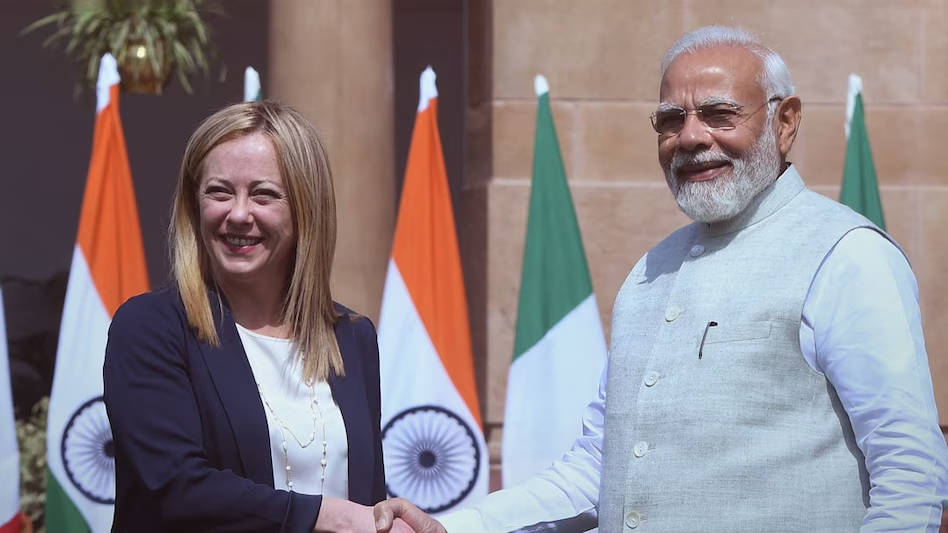
Both leaders share unique leadership journeys that resonate with ordinary citizens:
- Rising from Modest Roots: Meloni from a working-class neighborhood, Modi from a tea vendor’s family.
- Resilience in Politics: Both faced skepticism but rose through persistence.
- Connecting with the Masses: Modi through Mann Ki Baat, Meloni through her fiery speeches.
- Global Vision: Both emphasize balancing national pride with global responsibility.
These shared values were subtly highlighted in the foreword, making it a mirror of leadership philosophies.
Critics’ Concerns
Of course, not all reactions were positive. Critics pointed out:
- The risk of personal glorification in politics.
- Concerns that such symbolic acts may overshadow pressing issues like inflation, unemployment, and governance challenges.
- The possibility of over-romanticizing the Modi-Meloni friendship, which should remain grounded in policy outcomes.
Conclusion
The decision of PM Narendra Modi to write the foreword for Giorgia Meloni’s autobiography I Am Giorgia and describe it as his “Mann Ki Baat” is a fascinating intersection of politics, literature, and diplomacy.
It reflects Modi’s unique ability to use storytelling as a tool of connection, both within India and globally. For Meloni, it is a powerful endorsement that strengthens her book’s resonance in the Indian subcontinent. For India and Italy, it is yet another reminder of how soft power complements hard diplomacy.
Read More latest news

