
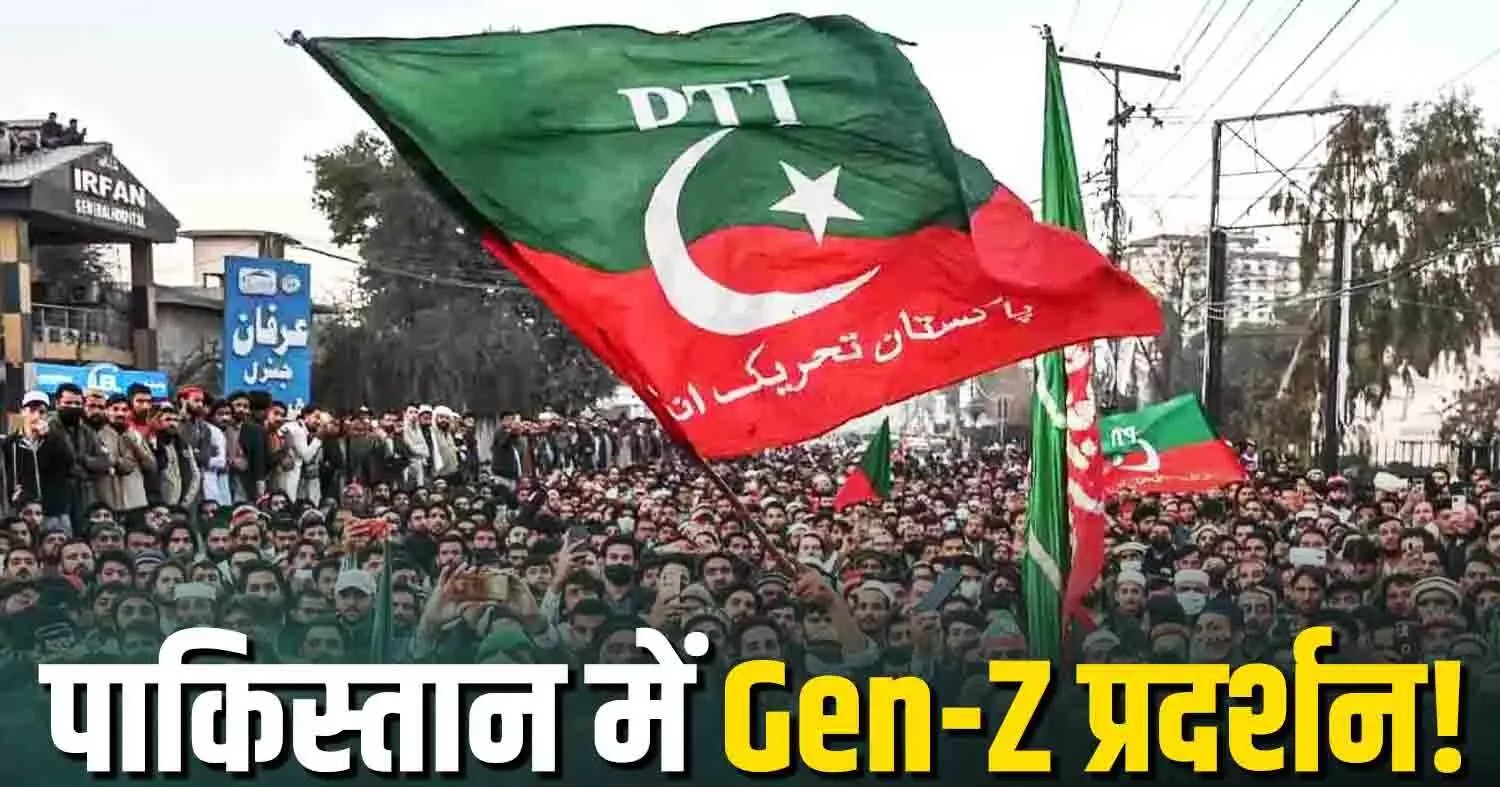
The Gen-Z Uprising in Pakistan-Occupied Kashmir: Students Rise Against Educational Injustice
Introduction: A Silent Valley Finds Its Voice Gen-Z
For decades, Pakistan-occupied Kashmir (PoK) has remained one of the most politically sensitive and suppressed regions in South Asia. Shielded from international media and tightly controlled by Pakistan’s administrative and military apparatus, the voices of the people—especially the youth—rarely reached beyond the borders. However, the situation is changing dramatically. Following the wave of youth-led movements across the subcontinent, including recent protests in Nepal, the new generation of Gen-Z students in PoK has taken to the streets in large numbers.
These students, born into an era of digital exposure and political awareness, are refusing to accept the decades-old culture of neglect and mismanagement. Their demands are clear: affordable education, fair assessment systems, and proper academic infrastructure. What began as a student protest against rising university fees has quickly evolved into a broader movement challenging the very foundation of governance in the region.
The Spark: Rising Fees and the Digital Divide Gen-Z
The immediate trigger for the protests was the sharp hike in university and college fees imposed by the so-called “Azad Jammu and Kashmir” (AJK) government under Pakistan’s control. In a region where unemployment is rampant and average household income is low, the increased financial burden on students and families has become unbearable.
For years, students have tolerated outdated syllabi, crumbling buildings, and limited access to scholarships. But when authorities introduced a new digital assessment system without adequate infrastructure, frustration reached its peak. Most PoK colleges and universities lack reliable internet, modern computer labs, and even uninterrupted electricity. Yet, students were told to complete online examinations and assessments, forcing many to spend money on cyber cafés or travel miles to access Wi-Fi connections.
As a result, students in Muzaffarabad, Rawalakot, Mirpur, and other major towns of PoK began staging demonstrations—initially peaceful but soon swelling into large-scale rallies, drawing thousands of participants.
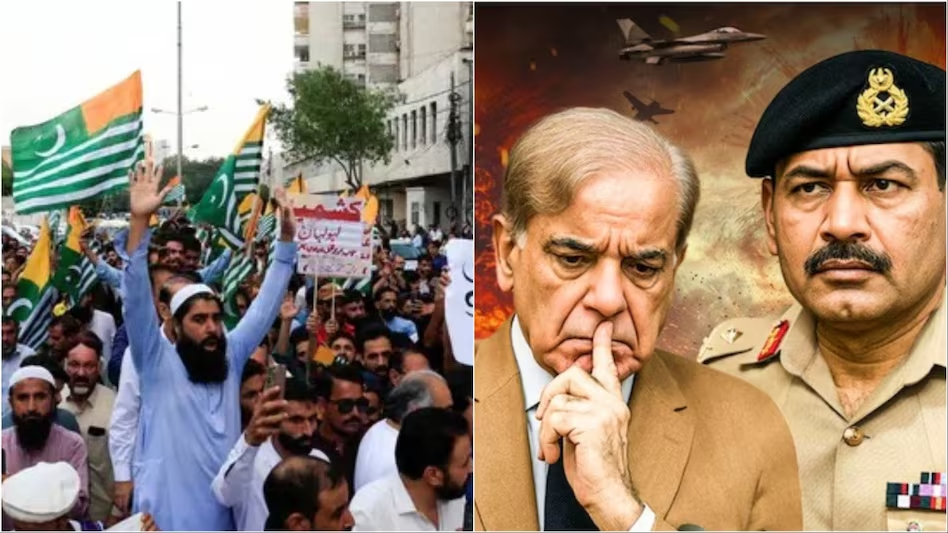
Echoes of Nepal: A Regional Student Awakening Gen-Z
The timing of these protests is significant. Just weeks earlier, students in Nepal had taken to the streets demanding better educational reforms, government accountability, and employment opportunities. The parallels between the two movements are striking—both led by Gen-Z, both driven by social media mobilization, and both fueled by a sense of generational injustice.
What differentiates the PoK protests, however, is their political sensitivity. In Pakistan-occupied territories, any form of dissent is often branded as “anti-state” or “Indian propaganda.” Yet, this new generation seems unafraid. They are openly questioning Islamabad’s control over their region’s affairs, including the education system, which they accuse of being designed to suppress critical thinking and discourage independent identity.
A 21-year-old student protester from Muzaffarabad said during a rally,
“They want us to remain uneducated so we cannot question them. But this is a new generation—we read, we see, we think, and we will not stay silent anymore.”
The Education Crisis in PoK: A System in Ruins Gen-Z
The education system in PoK is collapsing under years of neglect. While Pakistan claims to invest in “development projects” in the region, much of that money is diverted towards military installations, administrative expenses, or political patronage networks. The ground reality is starkly different from what official Pakistani statements portray.
- Infrastructure: Many schools in rural PoK are mere tin-roofed structures without proper classrooms, libraries, or sanitation facilities.
- Teachers and Staff: Chronic teacher shortages plague most government institutions. Many educators are underpaid or politically appointed, leading to poor quality teaching.
- Curriculum: The syllabus heavily promotes Pakistan’s national narrative, marginalizing local Kashmiri culture, language, and identity.
- Technology: Internet penetration remains low, and most students lack access to modern educational tools.
In contrast, the introduction of the “digital assessment system” appears to be a copy-paste policy from Islamabad, implemented without assessing local feasibility. The result has been chaos—failed exams, system crashes, and widespread frustration.
Social Media: The Digital Weapon of Gen-Z
Unlike previous generations, today’s students in PoK have access to smartphones and social media platforms—even if limited. These digital tools have become powerful weapons of resistance. Through Twitter (now X), Instagram, and WhatsApp groups, students have been documenting their protests, posting videos, and connecting with activists across Pakistan and India.
Hashtags like #POKStudentsProtest, #RightToEducation, and #StopFeeHike began trending in Pakistan’s social media space, catching the attention of independent journalists and even some international observers. Despite internet throttling and intimidation by local authorities, students have managed to keep their voices alive online.
Their social media posts have revealed shocking visuals—students being baton-charged by police, peaceful demonstrators being detained, and classrooms being sealed. These images have not only outraged the local population but also sparked sympathy among Pakistan’s own urban youth, who are increasingly critical of their government’s economic failures.
Repression and Intimidation: The Iron Hand of Islamabad Gen-Z
As the protests grew, Pakistan’s response followed a familiar script. The local administration labeled the movement as being “influenced by foreign powers.” Several student leaders were reportedly detained for “inciting unrest” and “anti-state activities.”
According to eyewitnesses, police used tear gas and batons to disperse demonstrators at multiple locations. In some areas, the army’s presence was noticeable, signaling how seriously Islamabad views even a student uprising in this volatile region.
However, this repression has only strengthened the movement. Students, teachers, and even some parents have joined in solidarity, forming human chains and demanding the immediate release of detained protestors. The message from the youth is loud and clear: education is not a privilege—it is a right.
Economic Realities: The Hidden Root of Anger Gen-Z
Beyond educational grievances, these protests also reflect deep economic despair. PoK’s economy is fragile, with limited industry, tourism, or employment opportunities. Most young people depend on remittances from relatives working abroad or in Pakistan’s mainland cities.
Rising inflation, coupled with Pakistan’s worsening economic crisis, has made life unbearable. As Islamabad grapples with IMF conditionalities, it continues to cut subsidies and increase taxes, affecting the most vulnerable segments of PoK society.
Students see the fee hike as symbolic of a broader betrayal—the government’s failure to invest in their future. One protest banner in Mirpur read:
“You spend billions on weapons but not a rupee on our education. What are you afraid of—our minds or our words?”
Comparative Silence from the International Community Gen-Z
Despite the gravity of the situation, international human rights organizations and Western governments have remained largely silent. While they routinely issue statements on education rights in other conflict zones, PoK’s protests have received minimal attention.
Analysts believe this silence is due to diplomatic caution—the region’s disputed status between India and Pakistan makes many governments hesitant to take a clear stance. Yet, this lack of attention emboldens the Pakistani establishment to continue its suppressive tactics.
Human rights advocates in Europe and South Asia have started calling for independent monitoring of educational and civil rights in PoK, arguing that the youth deserve the same global solidarity shown to other oppressed communities.
A Shift in Generational Consciousness Gen-Z
What makes this movement truly historic is not just its scale but its psychological depth. For decades, PoK’s population was politically passive, conditioned to view their region’s plight through the lens of Pakistan’s propaganda. But today’s Gen-Z generation is globally connected, educated (despite systemic challenges), and increasingly aware of the power of protest.
Unlike their elders, these students don’t necessarily define themselves through the Kashmir conflict narrative alone. Their struggle is for dignity, opportunity, and a fair shot at a better future. This is a generational awakening—a realization that waiting for external salvation or political promises will achieve nothing unless they take matters into their own hands.
Gender and the Protest: The Role of Young Women Gen-Z
A remarkable feature of the PoK protests has been the visible participation of young women. In a conservative, male-dominated society, their active role marks a significant cultural shift. Female students have led marches, addressed rallies, and used social media to articulate their frustrations.
One viral video showed a young woman standing atop a university gate shouting:
“We don’t need your charity, we need our rights!”
This fearless defiance has inspired others and shattered many stereotypes about Kashmiri women being passive victims. Their involvement underscores the broader social transformation underway—a push for gender equality and empowerment through education.
Islamabad’s Dilemma: To Reform or to Repress Gen-Z
The protests have placed Pakistan’s government in a tight spot. On one hand, Islamabad cannot afford to appear weak, especially when political opposition within Pakistan itself is gaining momentum. On the other, continued repression risks international embarrassment and further alienation of the youth in PoK.
Analysts believe that the government might announce temporary fee rollbacks or token reforms to pacify students. However, such cosmetic measures are unlikely to address the deeper grievances rooted in decades of neglect and exploitation.
If the protests continue to grow, they could evolve into a broader civil rights movement, challenging Pakistan’s very narrative of “Azad” (free) Kashmir.
Parallels with Pakistan’s Own Student Movements Gen-Z
Interestingly, student unions and activists in Pakistan’s own universities have expressed solidarity with their counterparts in PoK. They see in these protests a reflection of their own struggles against rising tuition fees, censorship, and authoritarian control on campuses.
This interconnection of movements suggests a growing national youth consciousness—a collective awareness that systemic failures are not regional but structural. From Lahore to Karachi to Muzaffarabad, students are beginning to question the state’s priorities and the elite-driven economic model that leaves them behind.
The Road Ahead: From Protest to Policy Gen-Z
For the PoK youth movement to sustain itself, it must now evolve from street protests to structured advocacy. Experts suggest forming student councils, independent media groups, and alliances with teachers’ unions to ensure long-term pressure on policymakers.
Education reforms must include:
- Transparent fee structures and scholarships for low-income families.
- Revamped infrastructure with digital access in all universities.
- Curriculum reform to reflect local identity and critical thinking.
- Merit-based teacher recruitment and training programs.
If the government fails to respond constructively, the protests could morph into a larger anti-establishment movement, shaking Pakistan’s political narrative on Kashmir itself.
Conclusion: The Beginning of a New Chapter Gen-Z
The ongoing student protests in Pakistan-occupied Kashmir are not just about fees or exams—they represent a revolt against decades of silence. This new generation of Gen-Z students is demanding more than affordable education; they are demanding recognition, dignity, and self-determination in their own lives.
Their courage in facing police batons, their creativity in using social media, and their unity across districts symbolize a profound shift in the region’s social fabric.
Just as Nepal’s youth ignited a movement for reform, PoK’s young voices are echoing through the mountains, reminding the world that education is the first step toward liberation—mental, social, and political.
If history is any guide, this is not the end but the beginning of a new era in the long and often forgotten story of Pakistan-occupied Kashmir.
Read More latest News

