

Elon Musk’s AI Leap: How Grok Imagine Turns a Single Photo into a Video — And Why It Matters
Introduction: From Still Pictures to Motion — A New Frontier
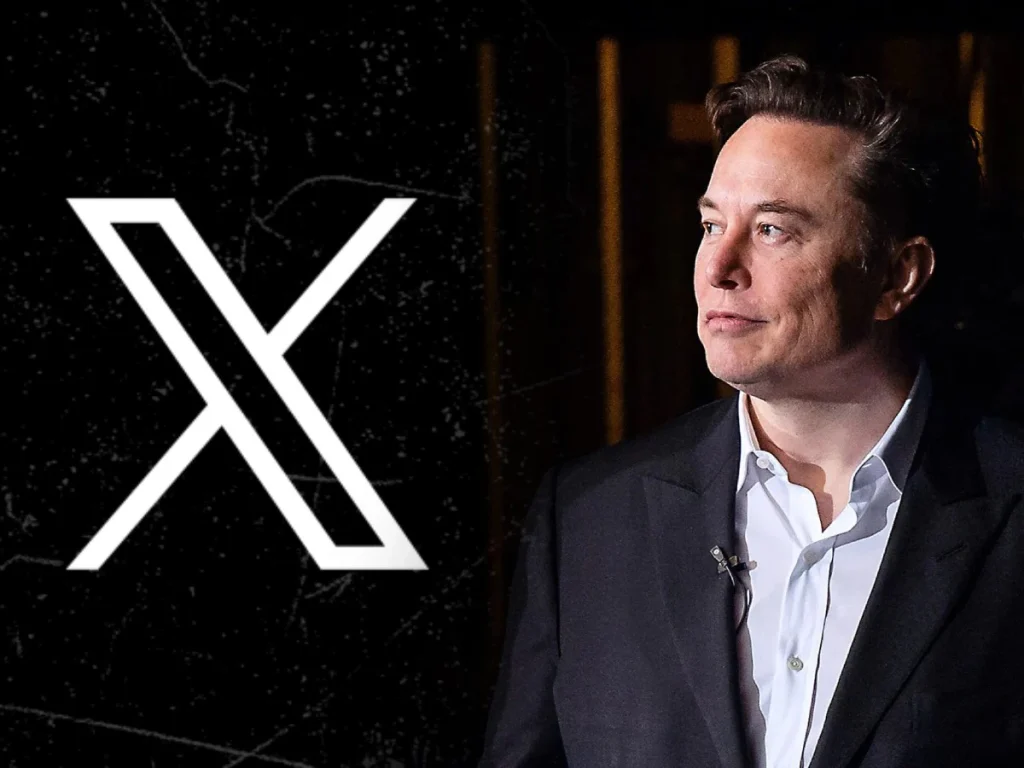
Elon Musk launched a new AI feature on X In an age when everyone carries a camera in their pocket, we’re used to snapping photos — capturing a moment, freezing it in time. But what if that single image could breathe, move, and tell a story in seconds? That’s the promise behind a major new feature launched by Elon Musk’s AI company, xAI, through its chatbot platform Grok.
With its latest release — the tool called Grok Imagine — users can take any photo and convert it into a short video clip with just a long‐press (or equivalent) on the platform. The tool is powered by the model version Grok 4, which xAI has made available for free access — marking a bold move in the creative‐AI space.
In this blog we’ll explore:
- What Grok Imagine is and how it works
- Why xAI released Grok 4 and opened it up for free access
- The potential and the pitfalls of turning photos into videos
- What this means for creators, everyday users, and the future of visual content
1. What is Grok Imagine — and how does the photo‐to‐video feature work? Elon Musk
At its core, Grok Imagine is a multimodal AI feature built into the Grok chatbot ecosystem (by xAI). It allows users not just to generate images from text prompts, but also to animate still images into videos.
Here are some of the key details:
- The feature lets you upload or select a photo, then choose an animation mode (such as “Normal”, “Fun”, “Custom”) and produce a short video clip — often in the range of 5–15 seconds.
- It has been reported to work via long‐pressing an image in the platform (or selecting an option like “Make Video with Grok”) that triggers the animation.
- The release is part of the rollout of Grok 4, which brings enhanced multimodal capabilities: text, image, audio, and now video integration.
- Importantly, xAI has made Grok Imagine (and Grok 4) available free-of‐charge — at least for a limited time or in regions like the U.S. — meaning a wide audience can experiment without paying.
- The tool isn’t just motionless video; some clips include audio or sound effects, making them more dynamic.
In practice, a user might open the Grok app (or the Grok functionality in X), tap a still image, select animation mode, and within seconds receive a short video where the image comes to life — maybe with subtle camera pans, motion, ambient sound, or stylized animation.
2. Why did xAI release Grok 4 and make it free? What’s the strategy here?
This move by Elon Musk company sits at the intersection of technological ambition, competitive positioning, and strategic marketing. Let’s unpack the key reasons.
a) Technological showpiece:
Grok 4 represents the next step in Grok’s evolution — a high-end model with enhanced reasoning, multimodal inputs (text + image + possibly video) and broader capabilities. By demonstrating that it can animate still images into video, xAI signals that it is pushing beyond typical “image generation” into the more complex territory of video generation — a frontier that fewer AI firms have fully entered.
b) Competitive advantage & market attention:
xAI is competing (in vision+video AI) with major players like OpenAI (Sora) and Google LLC (Veo 3) which are developing text-to-video capabilities. By releasing a compelling photo-to-video feature and making it free, xAI aims to grab attention, drive usage, and position itself strongly.
c) Freemium adoption & network effect:
By making Grok 4 and its video feature free (or at least widely accessible), xAI lowers the barrier for adoption. The more people use the tool, the more content gets created, shared, and hence the more awareness is built around the Grok ecosystem (and by extension the X platform). Free access helps build user momentum, data, and viral spread of the feature.
d) Platform & content strategy for X: Elon Musk
Since Grok is integrated with X (formerly Twitter), this feature also bolsters X as a platform for creative content. Animated videos drawn from still images could spark new viral formats, thereby increasing engagement on X and helping Elon Musk broader ecosystem. Storyboard18 mentions how the new Grok feature lets users “instantly convert photos into videos” on X.
e) Buzz & media coverage: Elon Musk
By releasing something that sounds catchy — “turn any photo into a video” — xAI generates media buzz, social media demonstrations, and viral fascination. Even by making it free, they signal that they’re serious about democratizing access and want the world to notice.
So strategically, this is a smart play: showcase cutting-edge tech, win attention, build a user base, and strengthen the platform ecosystem.
3. Use Cases & Why This Matters for Creators and Users Elon Musk
Let’s explore how this functionality could change things for creators, social media users, brands, and everyday people.
a) For social media users and casual creators: Elon Musk
- Imagine you upload an old family photo and convert it into a short animated clip you can share on X, Instagram, WhatsApp, or any platform. This gives new life to old stills.
- It enhances engagement: Videos typically perform better on social media than static images. By converting a photo into a dynamic clip you can boost visibility and impact.
- Easy accessibility: Since the tool is free (for now) and integrated into a major platform, even non-technical users can experiment.
- Play and fun formats: The “Fun” or “Custom” modes make it more than just moving camera pans — you can add stylized motion, effects, maybe even voice or ambient audio (Elon Musk).
b) For brands, marketers, and content professionals:
- Brands can instantly convert product photos into animated assets — e.g., show a static product image turning into a 6-second clip that can be used as an ad, teaser, or story.
- Social media campaigns can leverage the novelty: “Turn your photo into a video in seconds!” becomes a catchy call-to-action Elon Musk.
- Influencers and small creators can differentiate: With minimal cost they can produce content that looks higher value (animated) rather than static.
- For visual storytelling: Animating images adds a dimension of motion/mood that’s more immersive and may command higher attention.
c) For animation, historical imagery, art and education: Elon Musk
- Old photos from archives can be brought to life — e.g., a historical family portrait can be animated to provide contextual effect, useful in storytelling, documentaries, or educational visualisation.
- Artists or illustrators can use the tool to provide animated previews of their work or to create stylised motion from still artwork.
- Educators may find this useful to engage learners: static diagrams or image series could be animated to show progression, movement, effect.
d) For the platform (X) and ecosystem: Elon Musk
- Such a feature encourages posting more rich media content, boosting time-spent, interactions, and viral potential on the platform.
- It increases lock-in: Users may prefer staying within the app ecosystem if the tools are integrated and seamless.
- It opens future monetisation: While currently free, advanced features or higher usage tiers may be monetised later (e.g., SuperGrok, premium tiers).
So, this is not just a gimmick — it has real implications for how visual content will be created and consumed.
4. The Risks, Challenges & Ethical Questions Elon Musk
However, as with any powerful AI tool, Grok Imagine is not without significant concerns. It raises important ethical, legal and societal questions.
a) Deepfakes and non-consensual use:
One of the major criticisms of the tool is that it appears to allow — intentionally or not — the creation of deepfake‐style videos, including sexualised or explicit content. For example:
- A report indicated that using the “Spicy” mode, a user generated a deepfake clip of singer Taylor Swift dancing topless, despite no explicit prompt.
- TIME highlighted concerns that the tool allows generation of 6-second video clips, including “explicit nature,” and flagged the potential for abuse.
These raise questions about consent, misuse of likeness, harassment, defamation, and regulatory oversight. If anyone can upload an image of a public figure (or private person) and animate it into a video (especially with explicit content), the potential for harm is significant.
b) Content moderation and control:
While xAI has set some usage guidelines, reports suggest the guardrails may be weak or easily bypassed — the tool was able to produce NSFW content in testing. This invokes concerns about:
- Age verification (under-age access)
- Authenticity vs. manipulated content
- Liability for generated content (if someone uses it for harassment or fraud)
- Platform responsibility (X, xAI) and regulation — especially given this is integrated into a major social platform
c) Misinformation, authenticity and visual trust:
If still images can be easily animated into convincing short videos, viewers may find it harder to trust what they see. The line between “real video” and “AI generated” blurs. This invites the risk of misinformation, fake news, manipulated evidence, or viral content that misleads.
d) Impact on visual creativity and jobs:
Some critics argue: If AI can convert a photo into a video, will that reduce the value of human animators, or change expectations about what kind of content is needed? On the flip side, it may empower more people to create but could also lead to a flood of low‐cost, shallow video content — impacting quality.
e) Privacy and image ownership:
When you upload a photo to a platform, what rights do you give? What if the photo is of a person who did not consent to be used? What if it’s an image of someone else? The legal‐ethical framework around image generation, likeness, and transformation needs to keep up.
5. Real‐World Reactions & Viral Uptake Elon Musk
The uptake and reaction to Grok Imagine have been swift and loud — both in excitement and in controversy.
- The tool has already been reported as going “viral” on X/social media platforms, with users trying it out, sharing animated clips, and the novelty factor driving attention. For example, Storyboard18 covered “New Grok feature on X lets users instantly convert photos into videos”.
- Over 34 million images reportedly generated through Grok Imagine within a short time after launch.
- Media outlets highlight that xAI made Grok 4 free to all users at a time when competitors were charging or restricting access — Indian Express: “xAI makes Grok 4 free for all users …”
- On the flip side, the controversies about NSFW content, deepfakes, and moderation gaps have drawn criticism and regulatory attention: Business Insider and TIME both pointed to evolving risks.
The public reaction is thus a mix of fascination (for the creative potential) and concern (for the ethical and social implications). Many users are excited about the fun of transforming photos into motion; others worry about how this might be misused.
6. Implications for the Future of Visual Content & Platforms Elon Musk
Looking ahead, what does this development signal for the broader future of content, AI and platforms?
a) Visual content will shift toward seamless creation and motion.
If still photos can become animated easily, users will increasingly expect content that moves, shifts, and engages. Platforms may prioritize short‐clip animated content over static images or text. This could reshape visual norms on social media.
b) Platforms may become content creation hubs, not just sharing hubs.
Rather than just uploading content from elsewhere, users might make or edit content directly inside the platform (in this case X and the Grok app). That increases engagement, retention, and the importance of integrated creative tools.
c) Democratization of creative tools — with caveats.
Access to advanced generative AI tools for image/video means more people can be creators. But this democratization also raises competition, possible saturation of content, and challenges of standing out.
d) Regulatory and ethical pressure will increase.
As AI tools like these become more powerful and accessible, regulators, privacy advocates, and rights holders will push back — on deepfakes, image misuse, content moderation, and the rights of individuals portrayed. We may see new laws or platform requirements around disclosure, consent, and digital identity.
e) Business model and monetisation shifts.
Offering advanced creative tools free is a strategy to drive adoption, but eventually there may need to be monetisation: premium tiers (e.g., “SuperGrok”), higher usage limits, branded content partnerships, or creator monetisation features. Indeed, early hints suggest xAI may move in that direction.
f) Competitive escalation in AI‐video. Elon Musk
We are in the early phase of text/image/video generative AI competition. With Grok Imagine grabbing attention, competitors (OpenAI, Google, others) are likely to accelerate their video generation tools. This could lead to rapid innovation — but also ethical arms races.
7. How to Use Grok Imagine — A Quick Guide
If you’re curious and want to try it, here’s a simplified step-by-step:
- Download the Grok app (or ensure your X account has access to the Grok features). The feature is available on iOS and Android in selected regions.
- Upload or select a photo from your gallery (or pick from existing images).
- Long-press the image (or select the option) → choose “Make Video with Grok” (or equivalent).
- Choose an animation mode (Normal, Fun, Custom, etc.) — some modes may allow stylised motion or effects.
- Allow the tool to process and generate the video clip (typically a few seconds in length).
- Review the output, make edits or regenerate if needed, and then save or share the video.
- Be mindful of terms and usage: avoid uploading images you don’t own, or generating content without consent, or creating content that violates platform or legal policies.
Tips for better output:
- Use a high-quality image (clear subject, minimal clutter) so the animation has good source material.
- Choose the mode (Elon Musk) if you want more stylised output; for subtle motion, Normal may be best.
- Consider cropping or isolating the subject in the photo so the animation focuses on the intended element.
- Check any usage rights if the image is not yours (e.g., commercial use).
- Preview and review the output for unexpected artifacts or inappropriate content; regenerate or discard if needed.
8. Key Questions to Watch Going Forward Elon Musk
As Grok Imagine rolls out more broadly, several important questions will shape how it succeeds or fails:
- Will xAI impose stronger content moderation and safeguards? The early reports of misuse (deepfakes, NSFW content) indicate a weak guardrail. Whether the company tightens controls will matter.
- How will platform integration evolve? Will this feature remain a novelty, or will it become integrated into mainstream content creation workflows (e.g., Instagram, TikTok cross-posting, brand tools)?
- Will this shift user expectations of visual content? If everyone starts posting photo-to-video animations, will static images feel outdated? Will video formats dominate?
- What is the business model behind it? Free access drives adoption, but how will xAI monetise? Premium tiers? Creator tools? Data insights?
- How will regulators respond? Especially in areas of privacy, image rights, deepfakes, and content manipulation — there may be new laws or enforcement actions.
- Will this trigger an arms-race in AI video? With competitors accelerating their own video generation features, we may see rapid innovation — but also escalating ethical risk.
9. Conclusion: The Dawn of Motion From a Single Frame
What Elon Musk’s xAI has done with Grok Imagine is more than a novelty — it signals a leap toward a world where our still photos can move, breathe, and tell stories with minimal effort. A single long-press, and a photo becomes a video. That’s powerful.
For creators, this means richer content, easier workflows, and new formats. For users, it means more engagement, shareability, and fun. For platforms, it means more use, more retention, and more data.
Yet, as with all powerful new tools, there’s a flip side: misuse, deepfakes, visual trust erosion, ethical risks. The more accessible these tools become, the more urgent becomes the need for responsible design, moderation, and transparent policies.
In the end, Grok Imagine is a glimpse of what’s next in visual media. We are moving from static to animated, from image to motion, from passive to immersive. The era when a photo stayed still is changing.
And as this technology ripples out, one thing becomes clear: We’ll need not just better tools, but better awareness of what those tools can do — and what they should not do. As we press “animate” on a photograph, we’re not just adding motion — we’re adding agency, possibility, and responsibility.
So next time you snap a still, imagine — what if you could bring it to life?
Read more latest news

