Dhirendra Shastri Statement Sparks Debate Over Youth, Unemployment, and the “Cockroach Janata Party”
The recent Dhirendra Shastri Statement regarding the so-called “Cockroach Janata Party” has created widespread discussion across social media, television debates, and political circles. India’s social and political environment once again became the center of heated debate after a controversial and thought-provoking remark by spiritual leader and storyteller Pandit Dhirendra Shastri.
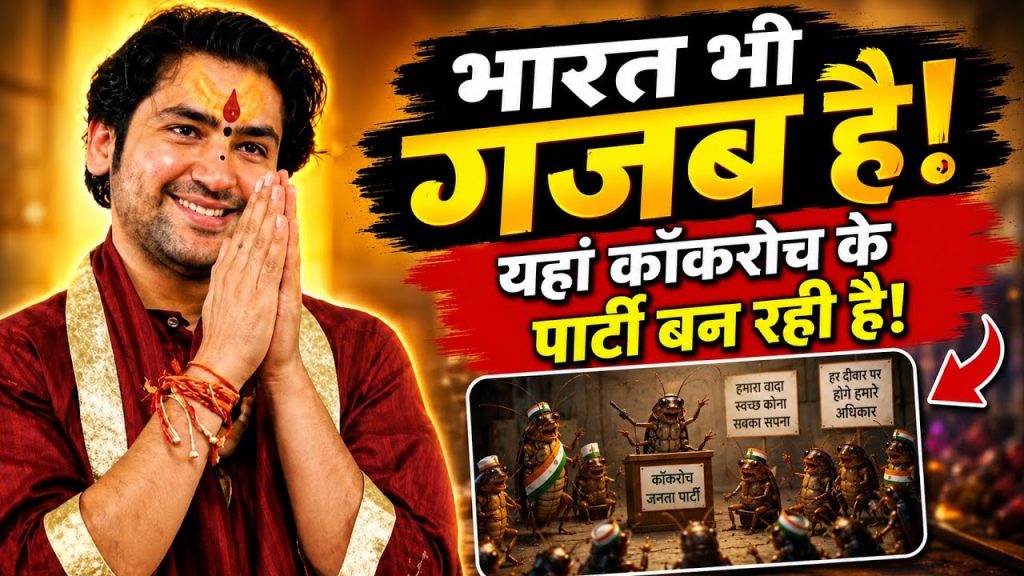
During a public interaction, Dhirendra Shastri said, “India is amazing. The cockroaches people fear have now formed a party. But this proves that unemployment has increased. India’s skill development is declining. We should be concerned about India’s youth. This should be considered.”
The Dhirendra Shastri Statement immediately went viral online. Supporters praised him for highlighting the growing concern over unemployment and the direction of youth development in India, while critics questioned the language and symbolism used in the statement.
This incident has now transformed into more than just a viral political remark. It has opened conversations about unemployment, skill development, youth frustration, and the role of public personalities in shaping national debates.
Why the Dhirendra Shastri Statement Became Viral
The reason the Dhirendra Shastri Statement gained so much attention is because it combined satire, criticism, and social commentary in a single message. In today’s digital era, strong and controversial remarks spread quickly, especially when they involve politics and youth-related issues.
Social media platforms were flooded with clips of the speech within minutes. Hashtags related to Dhirendra Shastri started trending on platforms such as X, Facebook, Instagram, and YouTube. Political supporters and critics alike began interpreting the statement in different ways.
Some viewers believed the Dhirendra Shastri Statement reflected frustration regarding the increasing unemployment rate and lack of productive opportunities for young people. Others argued that the comment indirectly criticized the current political environment and the rise of unusual political narratives.
Regardless of interpretation, one thing became clear — the statement had touched a sensitive nerve in Indian society.
Understanding the “Cockroach Janata Party” Reference
The phrase “Cockroach Janata Party” used in the Dhirendra Shastri Statement has become one of the most discussed elements of the controversy. Many people interpreted it metaphorically rather than literally.
In political language, metaphors are often used to criticize systems, organizations, or social trends. According to analysts, Dhirendra Shastri may have intended to highlight what he sees as declining standards in public discourse and political engagement.
The Dhirendra Shastri Statement also reflected a concern that youth energy is being diverted away from innovation, education, and entrepreneurship toward unproductive debates and sensational activities.
While supporters defended the statement as symbolic commentary, critics argued that public figures should choose their words carefully, especially when discussing politics and social groups.
Unemployment at the Center of the Debate
One of the strongest points raised in the Dhirendra Shastri Statement was the issue of unemployment. India has witnessed continuous discussions over job opportunities, skill gaps, and employment generation in recent years.
Young graduates often struggle to find jobs that match their qualifications. Many sectors face challenges related to automation, economic slowdown, and changing industrial demands. Because of this, unemployment remains a politically and socially sensitive issue.
The Dhirendra Shastri Statement linked the rise of unusual public activities and political theatrics with the growing frustration among unemployed youth. According to supporters of the statement, idle minds and lack of opportunities can sometimes lead people toward sensationalism instead of productive careers.
Experts say that India’s demographic advantage can become either a powerful strength or a major challenge depending on how effectively the country develops skills and creates employment opportunities.
Skill Development Concerns Raised by Dhirendra Shastri
Another major aspect of the Dhirendra Shastri Statement was his concern about declining skill development in India. He specifically mentioned that India’s skill development is weakening and that society should worry about the future of its youth.
This part of the statement resonated strongly with educators and professionals. Many experts agree that while India produces millions of graduates every year, a significant number still lack industry-ready skills.
The Dhirendra Shastri Statement indirectly highlighted the gap between education and employability. Several studies have shown that many companies struggle to find skilled candidates despite large numbers of job seekers.
Skill development programs have expanded across India in recent years, but challenges remain in implementation, quality training, and access to practical learning opportunities.
According to analysts, the statement sparked important conversations about whether India’s education system is adequately preparing young people for future industries.
Political Reactions to the Statement
As expected, the Dhirendra Shastri Statement triggered political reactions from multiple sides. Some political leaders accused him of mocking democratic participation and using controversial language for attention.
Others defended his remarks, arguing that the statement was directed at broader social realities rather than specific individuals or groups.
Television debates soon turned the Dhirendra Shastri Statement into a national political topic. Panel discussions focused on whether spiritual leaders should make political observations and whether satire has limits in public discourse.
Political commentators pointed out that India has a long tradition of saints, thinkers, and social reformers commenting on national issues. However, in the age of social media, every statement now travels instantly and reaches millions of viewers.
Youth Frustration in Modern India
The core message behind the Dhirendra Shastri Statement appears connected to the frustration experienced by many young Indians today.
India has one of the youngest populations in the world. Every year, millions of students enter the workforce hoping for stable careers and financial security. However, economic competition has intensified, and job creation often struggles to match the growing demand.
The Dhirendra Shastri Statement reflected concerns that when youth energy remains underutilized, society may witness increasing dissatisfaction and unusual forms of expression.
Mental stress among students and job seekers has also become a growing issue. Competitive exams, rising educational expenses, and uncertain employment opportunities have created pressure on many families.
Several social analysts noted that the popularity of the Dhirendra Shastri Statement stems from the fact that it touched upon these hidden anxieties.

Social Media Amplified the Controversy
In today’s digital environment, any controversial remark can become national news within minutes. The Dhirendra Shastri Statement spread rapidly because short video clips were widely shared across multiple platforms.
Memes, reactions, debates, and edited videos further increased public curiosity. Supporters turned the statement into slogans, while critics used it to question the tone of political discourse.
The viral nature of the Dhirendra Shastri Statement demonstrates how social media has transformed communication in India. Public figures no longer speak only to physical audiences; every speech can instantly become part of a nationwide conversation.
Digital culture also encourages polarization, meaning statements are often interpreted in extreme ways rather than nuanced discussions.
Role of Spiritual Leaders in Public Debate
The Dhirendra Shastri Statement also reignited debates about the role of spiritual leaders in political and social discussions.
In India, spiritual figures have historically influenced public opinion. From social reforms to independence movements, religious and spiritual leaders often contributed to national debates.
Supporters argue that figures like Dhirendra Shastri have every right to express opinions on issues affecting youth and society. Critics, however, believe that spiritual platforms should avoid political symbolism.
The controversy surrounding the Dhirendra Shastri Statement reflects this larger debate about the boundaries between spirituality, politics, and social activism in modern India.
Media Coverage and Public Curiosity
News channels dedicated extensive coverage to the Dhirendra Shastri Statement. Anchors debated whether the statement represented genuine concern or provocative rhetoric designed to attract attention.
The public response was equally intense. Some viewers appreciated the blunt criticism regarding unemployment, while others focused mainly on the “cockroach” metaphor.
The widespread attention surrounding the Dhirendra Shastri Statement highlights how emotionally charged issues like unemployment and youth opportunities have become in India.
Whenever a public figure speaks directly about such concerns, strong reactions are almost inevitable.
The Bigger Question: Are Youth Opportunities Declining?
One important takeaway from the Dhirendra Shastri Statement is the larger national conversation about youth opportunities.
India’s economy continues to grow in many sectors, including technology, digital services, manufacturing, and startups. However, millions of young people still feel uncertain about their future.
Competitive examinations attract massive numbers of applicants, sometimes for a very limited number of positions. This reflects both ambition and scarcity of opportunities.
The Dhirendra Shastri Statement indirectly questioned whether India is doing enough to channel youth talent into productive and meaningful careers.
Experts argue that long-term solutions require improvements in education quality, vocational training, entrepreneurship support, and industrial growth.
Public Support and Criticism
The reaction to the Dhirendra Shastri Statement has been sharply divided. Supporters claim that he courageously raised uncomfortable truths about unemployment and declining skills.
They argue that many influential people avoid discussing these realities openly. According to supporters, the statement served as a wake-up call for policymakers and society.
Critics, however, argue that comparing political or social groups to cockroaches was inappropriate and unnecessarily provocative. Some also questioned whether such statements help solve real problems.
Despite criticism, the Dhirendra Shastri Statement continues to dominate discussions because it combined humor, controversy, and serious concerns into one viral message.
What This Means for Public Discourse
The popularity of the Dhirendra Shastri Statement reflects a broader trend in Indian public discourse where strong opinions and dramatic language often receive more attention than detailed policy discussions.
This can be both positive and negative. On one hand, provocative statements can force society to confront uncomfortable realities. On the other hand, excessive sensationalism may distract from constructive solutions.
The challenge for public conversations in India is to move beyond viral moments toward meaningful action. The issues highlighted in the Dhirendra Shastri Statement — unemployment, declining skills, and youth frustration — require serious policy attention.
The Future of Youth Development in India
India’s future depends heavily on how effectively it empowers young people. The concerns raised in the Dhirendra Shastri Statement underline the urgency of improving education, training, and employment systems.
Experts believe India has enormous potential due to its large youth population. However, this potential can only be realized through investment in skill development, innovation, and entrepreneurship.
Government initiatives, private sector participation, and educational reforms will all play important roles in shaping the future.
The Dhirendra Shastri Statement may remain controversial, but it has undeniably sparked national attention toward issues that deeply affect millions of families.
Conclusion
The Dhirendra Shastri Statement regarding the “Cockroach Janata Party” has become one of the most talked-about public remarks in recent times. While the statement generated controversy because of its unusual language, it also highlighted serious concerns related to unemployment, declining skill development, and the future of India’s youth.
By connecting satire with social criticism, the Dhirendra Shastri Statement forced people to discuss deeper issues that often remain hidden beneath political headlines.
Whether one agrees or disagrees with his words, the larger message about youth opportunities and national development has clearly resonated across the country.
As debates continue, the focus now shifts toward finding real solutions for unemployment, improving skill development, and ensuring that India’s young generation receives the opportunities it deserves.
The controversy may eventually fade, but the questions raised by the Dhirendra Shastri Statement are likely to remain relevant for a long time.
Read more latest news