
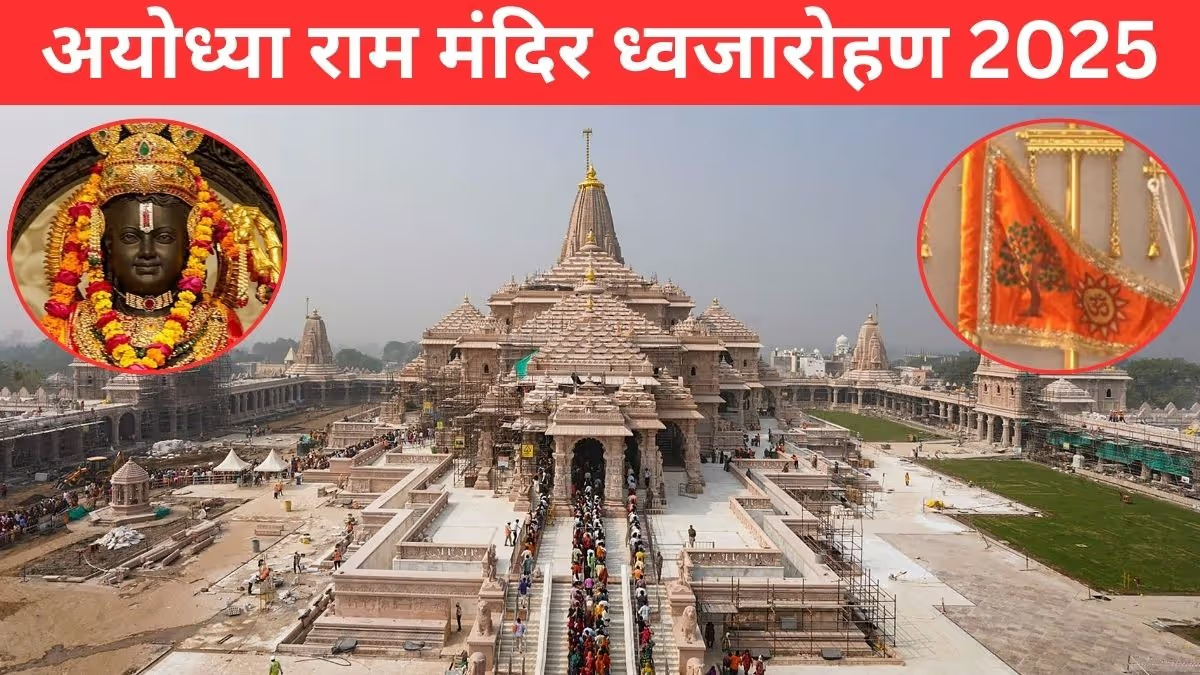
The Hoisting of the Dharma Dhwaja at Ayodhya’s Ram Temple: A Historic Moment of Devotion, Faith, and Cultural Pride | 3000-Word Blog
On November 25th, a divine moment unfolded in Ayodhya — one that will be remembered for generations. The majestic Dharma-Dhwaja was hoisted atop the Ram Temple, signaling not only the completion of the grand temple’s construction but also the beginning of a new spiritual era for millions of Ram devotees across the world. As the saffron flag fluttered in the sky, the city of Ayodhya lit up once again, echoing with chants, devotion, and celebrations.
The hoisting of the Dharma Dhwaja is not just a ritualistic event but a symbolic declaration of the victory of righteousness, the triumph of dharma, and the eternal presence of Lord Shri Ram. This landmark moment attracted an unprecedented number of devotees, who gathered to witness history being written in the sacred land of Ayodhya.
This 3000-word blog captures the significance, emotions, history, and impact surrounding the November 25th event, emphasizing how the Dharma-Dhwaja became the guiding symbol of faith.
1. The Dawn of a New Era: Ayodhya Awaits the Dharma Dhwaja
The morning of November 25th brought with it a divine vibration. Thousands of devotees began reaching the Ram Temple premises even before sunrise. The atmosphere was charged with devotion as priests prepared for the historic hoisting of the Dharma-Dhwaja.
It wasn’t merely a ceremony; it was the culmination of a centuries-long struggle and sacrifice. The Dharma Dhwaja stood as a testament to perseverance and faith, reflecting the spiritual glory of Sanatan Dharma.

2. What is Dharma Dhwaja? Understanding Its Spiritual Meaning
For many observers, the Dharma-Dhwaja is a symbol of:
- The eternal presence of dharma
- The spiritual sovereignty of a sacred space
- Victory over adharma
- Protection of devotees
- Cultural resurgence
In Sanatan tradition, the flag atop a temple is not merely fabric — it is the living essence of divine power. When the Dharma-Dhwaja was hoisted at the Ram Temple, it signified the re-establishment of dharma in Ayodhya, the birthplace of Lord Ram.
3. The Ceremony: An Unforgettable Spiritual Experience
The hoisting of the Dharma Dhwaja was conducted with grand Vedic rituals. Priests chanted mantras, conches blew, and devotees folded their hands in reverence. As the flag ascended into the sky, the crowd erupted into chants of “Jai Shri Ram!”
The moment was electrifying.
The Dharma-Dhwaja rose high above the golden temple shikhara, glowing under the sunlight like a divine beacon.
4. Devotees Arrive in Large Numbers
Soon after the ceremony, Ayodhya witnessed an overwhelming surge of devotees from all corners of India. People gathered to catch a glimpse of the newly hoisted Dharma-Dhwaja, believing it brought blessings, peace, and spiritual fulfillment.
The sight of the fluttering Dharma Dhwaja became a magnet for devotees, and the temple corridors buzzed with emotion as visitors bowed their heads in gratitude.
5. Ayodhya Illuminates Once Again
Once the Dharma Dhwaja was hoisted, Ayodhya lit up as though celebrating Diwali once again. The Ram Temple glowed with thousands of diyas and lights. Streets were decorated with rangolis, flower patterns, and banners praising Lord Ram.
It felt like a second Pran Pratishta — a renewed celebration of Ram Lalla’s divine presence.

6. Historical Importance of the Dharma Dhwaja
The Dharma Dhwaja has been mentioned in scriptures, Puranas, and ancient temple traditions. Hoisting it on a temple symbolizes:
- Victory of truth
- Strength of dharma
- Divine protection
In the Ramayana era, flags played a crucial role in identifying the forces of righteousness. In modern times, the Dharma Dhwaja at Ayodhya has revived that ancient symbolism.
7. Architectural Harmony: The Flag Completes the Temple
The Ram Temple’s massive pillars, intricate carvings, and golden spires now appear visually complete with the Dharma Dhwaja crowning the structure. Architects and temple planners emphasized that the flag was the final piece of the project.
Without the Dharma Dhwaja, the temple was architecturally incomplete. With it, the structure stands as a symbol of divine authority.
8. The Emotional Response from the Devotees
Many devotees cried upon seeing the Dharma Dhwaja on the Ram Temple. For them, this was not just a temple milestone but a deeply personal and emotional fulfillment.
Several devotees expressed:
- Decades-long prayers coming true
- Spiritual completeness
- A feeling of witnessing history
- Devotion at its peak
The Dharma Dhwaja became a collective emotional expression of India’s spiritual heritage.
9. A Symbol of National Unity and Cultural Resurgence
More than a religious event, the hoisting of the Dharma Dhwaja brought a sense of unity across communities and generations. Indians from various states, languages, and backgrounds celebrated this moment with equal enthusiasm.
It represented:
- Cultural pride
- National awakening
- Spiritual revival
The Dharma Dhwaja became a symbol not just for Ayodhya but for the entire nation.
10. Ayodhya’s Transformation into a Global Spiritual Hub
With the completion of the temple and hoisting of the Dharma Dhwaja, Ayodhya is now emerging as a global center of Sanatan culture. Tourists and devotees from across the world are planning visits.
Ayodhya now symbolizes:
- India’s spiritual renaissance
- A revived cultural identity
- A global attraction of faith
11. Economic and Cultural Impact
The influx of devotees after the Dharma Dhwaja ceremony has boosted:
- Tourism
- Local businesses
- Cultural programs
- Accommodation infrastructure
Ayodhya’s economy received a major uplift as pilgrims poured into the city.
12. A New Chapter in the Ram Janmabhoomi Movement
The hoisting of the Dharma Dhwaja marks the beginning of a new chapter in the Ram Janmabhoomi movement. After decades of struggle, legal battles, emotions, and sacrifices, the temple stands tall with divine authority.
The Dharma Dhwaja became the final sign that Ayodhya’s centuries-old wait had finally come to an end.
13. Global Reactions: Indians Abroad Celebrate
Indian communities worldwide organized small celebrations, bhajan gatherings, and digital livestreams to witness the hoisting of the Dharma Dhwaja. Social media was filled with congratulatory messages from countries like:
- USA
- Canada
- UK
- Australia
- UAE
- Nepal
For the global Hindu diaspora, this event strengthened their cultural identity.
14. The New Ayodhya Experience: Devotion Meets Modernity
With improved infrastructure, digital systems, guided tours, and cultural centers, Ayodhya has reinvented itself as a modern pilgrimage destination. The hoisting of the Dharma Dhwaja became the highlight of this transformation.
15. Why November 25th Will Be Remembered Forever
November 25th will go down in history because:
- The temple’s construction reached completion
- The Dharma Dhwaja crowned the divine structure
- Devotees witnessed a once-in-a-lifetime moment
- Ayodhya rekindled its ancient glory
This date marks a spiritual rebirth for millions.
16. The Sanctity of the Dharma Dhwaja in Hindu Tradition
The Dharma Dhwaja symbolizes:
- Purity
- Power
- Sanctity
- Discipline
- Devotion
In many temples, changing the flag is considered an auspicious practice. In Ayodhya, the hoisting symbolized the beginning of timeless divine energy.
17. How the Temple Radiated Light After the Ceremony
As dusk approached on November 25th, the Ram Temple glowed brighter than ever. The Dharma Dhwaja swayed gracefully above the illuminated golden structure, creating a mesmerizing divine spectacle.
The temple’s lights reflected on nearby structures, turning the entire area into a heavenly scene.
18. Pilgrims’ Experiences: Stories from the Ground
Many pilgrims described the moment in emotional words:
- “The Dharma Dhwaja made me feel blessed.”
- “It felt like Lord Ram himself smiled upon us.”
- “I will tell this story to my children and grandchildren.”
For many, this was the most spiritual experience of their lives.
19. What Comes Next for Ayodhya?
With the temple complete and the Dharma Dhwaja hoisted, Ayodhya will now focus on:
- Expanding facilities for devotees
- Cultural festivals
- International outreach
- Enhancing spiritual tourism
Ayodhya is set to become one of the most visited pilgrimage spots in the world.
20. Conclusion: The Dharma Dhwaja Marks a New Spiritual Dawn
The hoisting of the Dharma Dhwaja on November 25th is more than a ritual — it is a declaration of faith, culture, pride, and spiritual unity. The fluttering saffron flag atop the Ram Temple will continue to inspire generations, reminding them of the eternal victory of dharma.
The Ram Temple stands complete, Ayodhya shines bright, and the Dharma Dhwaja stands tall as a beacon of devotion for all humanity.
Read More latest news

