
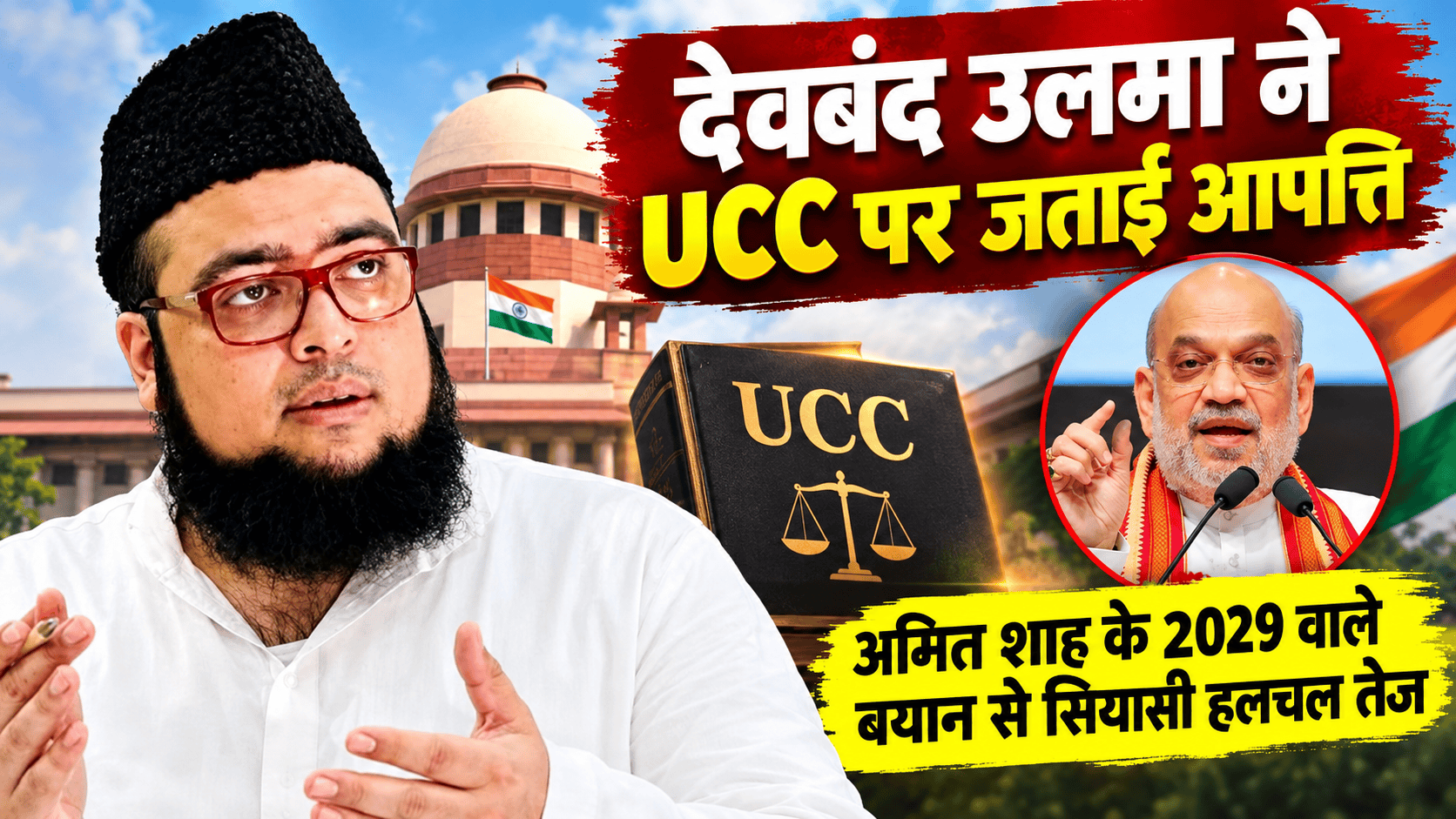
Deoband Ulema Speak Out on UCC: Debate Intensifies After Amit Shah’s 2029 Announcement
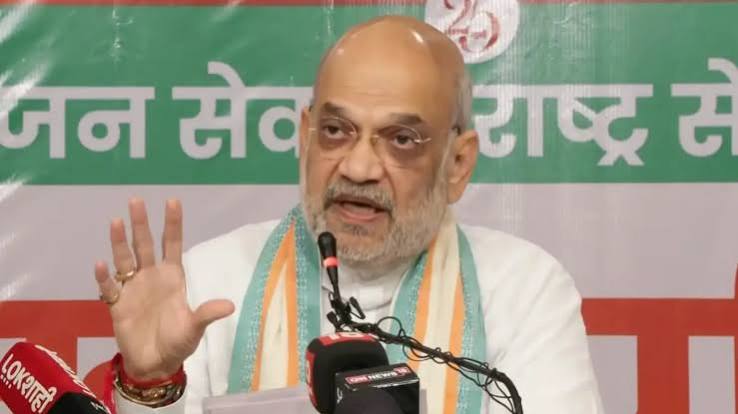
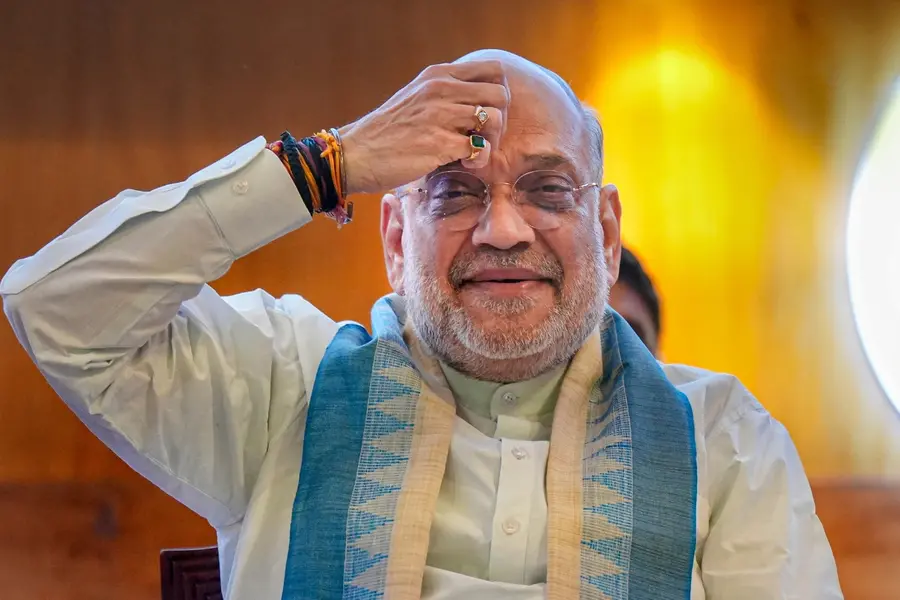
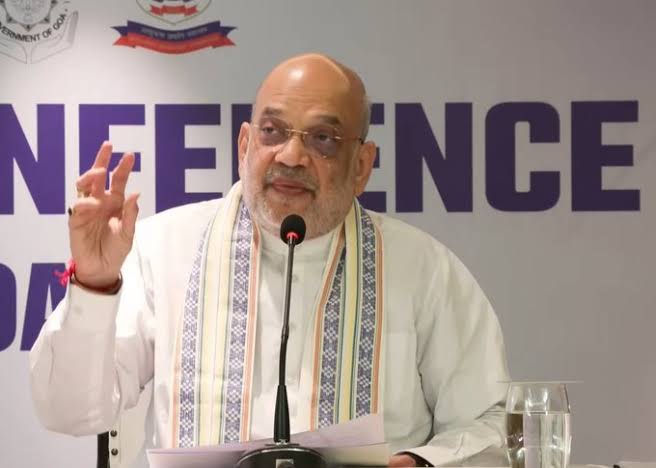
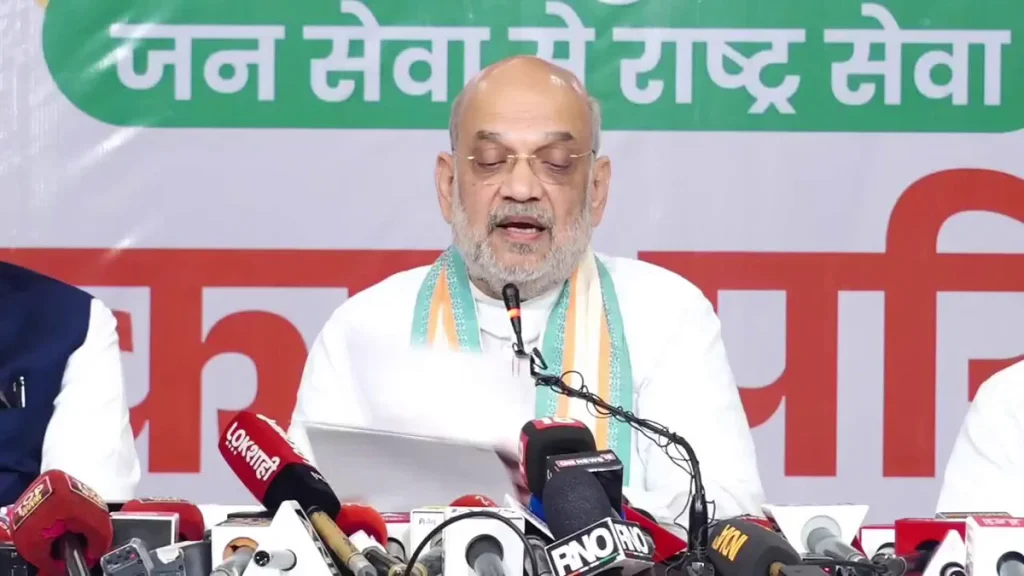
Against this backdrop, Deoband Ulema speak out on UCC, raising concerns about the implications of a common civil framework for communities that follow different religious traditions. The debate over the Uniform Civil Code (UCC) has once again gained momentum after Union Home Minister Amit Shah stated in Mumbai that the law would be implemented by 2029 in the 21 states where the Bharatiya Janata Party (BJP) and its allies are currently in power. The statement has triggered fresh political and social discussions across the country.
The issue has attracted particular attention in Saharanpur, where Qari Ishaq Gora, an Ulema associated with the Deoband tradition, expressed his views on the proposed legal framework. His comments reflect a broader concern among sections of Muslim religious leadership about how the UCC could affect personal laws and religious practices. The remarks have added another dimension to the ongoing national discussion.
Amit Shah UCC Announcement
Amit Shah’s statement regarding the proposed implementation of the UCC by 2029 has placed the issue firmly back on the political agenda. The Union Home Minister indicated that the Uniform Civil Code would be pursued in states governed by the BJP and its allies.
The announcement is significant because the UCC has been one of the major policy issues associated with the BJP for several years. Supporters argue that a common civil code can promote equality before the law and establish uniformity in areas such as marriage, divorce, inheritance and adoption (Deoband Ulema speak out on UCC).
However, opponents and critics have raised questions about whether a single framework can adequately accommodate India’s enormous religious, cultural and social diversity. It is in this context that Deoband Ulema speak out on UCC, emphasizing the importance of protecting the rights and traditions of different communities.
The UCC debate therefore involves more than a legal question. It also touches upon constitutional principles, religious freedom, social diversity and the relationship between personal laws and national legislation.
Qari Ishaq Gora Raises Concerns
In Saharanpur, Qari Ishaq Gora responded to the UCC discussion by arguing that the move does not reflect the beauty of India’s diversity. His position is based on the view that people belonging to different faiths have historically followed their own religious laws and traditions.
According to this perspective, India’s strength lies in its ability to accommodate multiple communities and belief systems. Deoband Ulema speak out on UCC from the standpoint that religious practices and personal laws are important components of community identity.
The comments have attracted attention because Deoband has long been an important centre of Islamic scholarship in India. Statements from religious scholars associated with the region can therefore have considerable influence in discussions concerning Muslim personal law and religious affairs.
Qari Ishaq Gora’s remarks also highlight the tension between the concept of legal uniformity and India’s pluralistic social structure. While supporters of the UCC emphasize equality and consistency, critics worry that uniformity could overlook differences between communities (Deoband Ulema speak out on UCC).
What Is the Uniform Civil Code?
The Uniform Civil Code refers to a common set of civil laws applicable to citizens regardless of their religion. Matters generally associated with personal law include marriage, divorce, inheritance, maintenance and adoption.
India currently has different personal-law systems for various religious communities in several areas. These laws have developed through a combination of religious traditions, legislation and judicial decisions.
The idea behind the UCC is to replace or harmonize different personal-law provisions with a common framework. Supporters believe this could simplify the legal system and strengthen the principle of equal treatment.
For critics, however, the central question is how such a framework would be designed. Deoband Ulema speak out on UCC because they argue that any major reform affecting personal laws must take religious freedom and cultural diversity into account.
Constitutional Debate
The UCC debate is closely connected with the Indian Constitution. Article 44 of the Constitution directs the state to endeavour to secure a Uniform Civil Code for citizens throughout India. At the same time, the Constitution protects fundamental rights relating to religious freedom (Deoband Ulema speak out on UCC).
This creates an important constitutional discussion. Advocates of the UCC point toward Article 44 and argue that common civil laws are consistent with the goal of social reform and equality. Those expressing reservations point toward fundamental rights and the need to ensure that religious and cultural freedoms are not unnecessarily restricted.
The question is therefore not simply whether India should have a UCC, but what its provisions should contain and how they should be implemented. Deoband Ulema speak out on UCC by bringing the perspective of religious communities into this constitutional conversation.
Why the Issue Is Politically Sensitive
The UCC has remained politically sensitive because it involves questions of identity, religion, gender equality and national integration. Political parties have taken different positions on the issue, while civil society groups and religious organizations have also expressed varying opinions.
The latest statement by Amit Shah has added urgency to the discussion because it establishes a specific political timeline. If pursued by BJP-led governments, the issue could become an important part of state-level legislative agendas before 2029.
The response from Deoband demonstrates that the proposal is likely to generate strong reactions from religious organizations and community leaders. Deoband Ulema speak out on UCC in a debate that is expected to continue as governments consider the legal and administrative aspects of implementation.
Diversity Versus Uniformity
One of the most important questions raised by the UCC debate is whether uniform civil laws and India’s diversity can coexist effectively.
India is home to numerous religions, languages, customs and cultural traditions. Supporters of the UCC argue that civil rights should not depend on religious identity. They believe that a common legal framework could create greater consistency and potentially strengthen gender equality.
On the other hand, critics argue that personal laws are deeply connected to community traditions. Deoband Ulema speak out on UCC by stressing that religious communities should have sufficient space to preserve their traditions within the constitutional framework.
The challenge for policymakers will be to find a balance between equality before the law and respect for legitimate cultural and religious freedoms.
The Road Ahead
Amit Shah’s 2029 timeline has ensured that the UCC will remain a major national political issue in the coming years. However, implementation across multiple states would require extensive legislative preparation, public discussion and legal scrutiny.
The views expressed by Qari Ishaq Gora indicate that sections of Muslim religious leadership are likely to closely monitor the process. Deoband Ulema speak out on UCC because they want their concerns about religious practices and personal laws to be part of the national conversation.
At the same time, supporters of the proposal are expected to continue arguing that civil laws should provide equal rights and responsibilities to all citizens. The debate is consequently likely to involve political parties, constitutional experts, religious scholars, women’s organizations and civil society groups.
Ultimately, the UCC debate will require careful consideration rather than simply political confrontation. Deoband Ulema speak out on UCC as one important voice in a much wider national discussion about law, equality and diversity.
As India moves toward the political timeline outlined by Amit Shah, the discussion surrounding the Uniform Civil Code is expected to become increasingly significant. Whether the proposal can achieve broad acceptance will depend on its final provisions, consultation process and ability to balance constitutional equality with India’s pluralistic character.
The coming years could therefore prove decisive for the future of personal laws in India. Deoband Ulema speak out on UCC reflects the continuing concern among religious scholars, while supporters of the UCC see the proposal as an opportunity for legal uniformity and reform. The final outcome will depend on how these competing concerns are addressed through democratic and constitutional processes.
Read more latest news

