

Balen Shah Controversy in Nepal: Rising Political Star, Nationalist Statements, and the Debate Over India–Nepal Relations
Introduction
Nepal has witnessed the rise of several unconventional political figures in recent years, but few have generated as much attention as Kathmandu’s mayor Balen Shah. Known for his bold leadership style, strong nationalist rhetoric, and outsider image, he quickly emerged as a popular yet polarizing figure in Nepalese politics. However, his growing popularity has also been accompanied by debates and criticism, particularly regarding statements and actions that some believe affect Nepal’s diplomatic ties with India.
The Balen Shah Controversy in Nepal has become a widely discussed topic not only within Nepal but also in India and among observers of South Asian geopolitics. The controversy revolves around his stance on issues such as the ‘Greater Nepal’ map, territorial debates involving Indian states like Uttar Pradesh and Bihar, and his public remarks about Hindi films. These statements sparked heated discussions on social media, political forums, and diplomatic circles.
For many supporters, Balen Shah represents a new generation of leaders who are assertive about Nepal’s sovereignty and cultural identity. For critics, the Balen Shah Controversy in Nepal reflects the risks of populist rhetoric in a region where diplomatic sensitivities between neighboring countries are significant.
This blog explores the background of Balen Shah, the key incidents that shaped the Balen Shah Controversy in Nepal, and the broader implications for India–Nepal relations.
Who Is Balen Shah?
Before understanding the Balen Shah Controversy in Nepal, it is important to understand the leader himself.
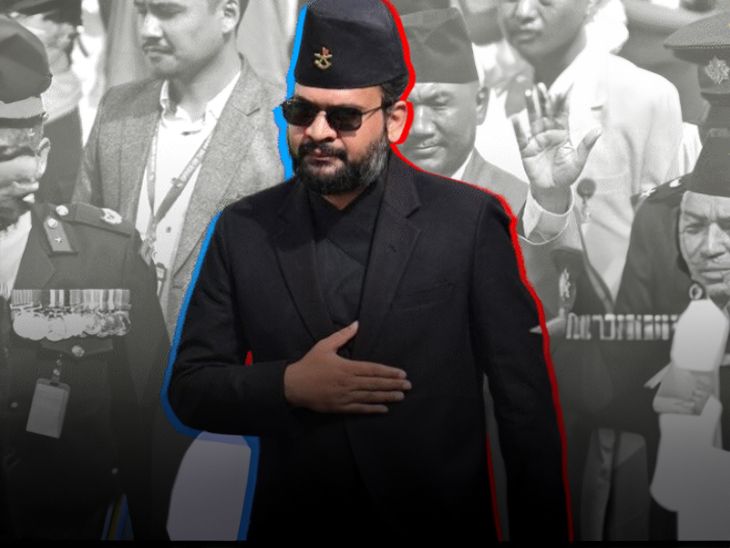
Balen Shah, whose full name is Balendra Shah, rose to prominence as a rapper, engineer, and social activist before entering politics. Born in Kathmandu, he built a reputation as a vocal critic of corruption and inefficiency in Nepal’s political system.
His music often highlighted social issues, government failures, and youth frustrations. This background made him particularly popular among younger voters who felt disconnected from traditional political parties.
In 2022, Balen Shah stunned Nepal’s political establishment by winning the Kathmandu mayoral election as an independent candidate. His victory was widely seen as a sign that Nepal’s urban population was ready for change.
However, as his political profile grew, so did the scrutiny surrounding his statements and policies. The Balen Shah Controversy in Nepal soon became a recurring theme in political discussions.
Rise to Power and Public Popularity
Balen Shah’s rise was fueled by a combination of youth appeal, anti-establishment messaging, and social media influence. Unlike many traditional politicians, he communicated directly with citizens through online platforms.
His campaign promised:
- Cleaner governance
- Improved urban management
- Anti-corruption measures
- Transparent administration
After becoming mayor, he launched several initiatives aimed at improving Kathmandu’s infrastructure and public services. Many residents appreciated his proactive approach.
Yet as his influence expanded, the Balen Shah Controversy in Nepal began to attract attention beyond municipal politics.
The Greater Nepal Map Debate
One of the most prominent elements of the Balen Shah Controversy in Nepal involved discussions surrounding the ‘Greater Nepal’ concept.
The Greater Nepal theory is based on historical maps from the early 19th century when the Kingdom of Nepal controlled larger territories before losing them to the British East India Company after the 1816 Treaty of Sugauli.
Supporters of the theory claim that areas currently part of India—including regions in Uttarakhand, Uttar Pradesh, Bihar, and West Bengal—historically belonged to Nepal.
During one public discussion and through social media interactions, references to these historical claims resurfaced, fueling the Balen Shah Controversy in Nepal.
Although the issue was not a formal political demand from the Nepalese government, the mention of the Greater Nepal idea sparked debate.
Critics argued that raising such topics could unnecessarily strain India–Nepal relations.
India’s Sensitivity to Territorial Narratives
The Balen Shah Controversy in Nepal gained attention in India largely because of the territorial aspect of the debate.
India and Nepal share a long open border and deep cultural, economic, and historical ties. Millions of people travel between the two countries each year without visas.
Because of these close connections, territorial issues can quickly become sensitive.
India had previously experienced similar tensions in 2020 when Nepal released a new political map including Kalapani, Lipulekh, and Limpiyadhura—territories also claimed by India.

When the Balen Shah Controversy in Nepal revived discussions about historical boundaries, it triggered concerns among analysts that nationalist rhetoric might complicate bilateral relations.
Comments on Hindi Films
Another dimension of the Balen Shah Controversy in Nepal involved remarks about Hindi films.
Nepal has long been one of the largest overseas markets for Bollywood. Hindi movies are widely watched across the country, and many Nepalese citizens have deep cultural connections with Indian cinema.
However, during a public debate, Balen Shah expressed concerns about certain portrayals of Nepal and Nepalese culture in Indian films.
He reportedly suggested that films perceived as disrespectful to Nepal’s identity should face restrictions in Kathmandu.
This statement immediately triggered discussion online, becoming a major part of the Balen Shah Controversy in Nepal.
Supporters argued that protecting national dignity in international media is important. Critics said such comments risked escalating unnecessary cultural disputes.
Social Media Amplification
A key factor that expanded the Balen Shah Controversy in Nepal was the role of social media.
In today’s digital environment, political statements can spread instantly across borders.
Posts discussing Balen Shah’s remarks were shared widely across platforms like:
- X (Twitter)
- YouTube
- TikTok
Debates quickly emerged between:
- Nepalese nationalists
- Indian commentators
- Regional political analysts
Because of this viral spread, the Balen Shah Controversy in Nepal evolved from a local political debate into a regional discussion.
Supporters’ Perspective
Despite criticism, many Nepalese citizens strongly defend Balen Shah.
Supporters argue that the Balen Shah Controversy in Nepal has been exaggerated by political opponents and foreign media.
According to them, Balen Shah is simply:
- Encouraging national pride
- Promoting historical awareness
- Protecting Nepal’s cultural identity
They also point out that younger leaders often speak more openly than traditional politicians.
For these supporters, the Balen Shah Controversy in Nepal reflects the growing confidence of Nepal’s new generation.
Critics’ Concerns
Critics, however, see the Balen Shah Controversy in Nepal as a warning sign of populist nationalism.
They argue that public leaders must be careful when discussing sensitive international topics.
Nepal relies heavily on strong relations with India in areas such as:
- Trade
- Energy cooperation
- Employment opportunities
- Infrastructure development
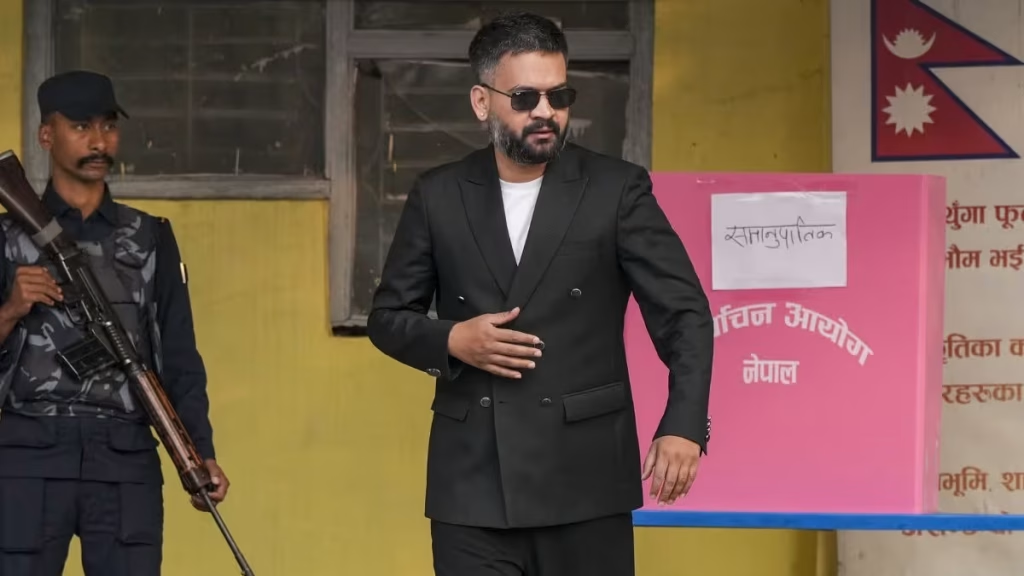
Because of this interconnected relationship, critics believe the Balen Shah Controversy in Nepal highlights the need for diplomatic caution.
Impact on India–Nepal Relations
Historically, India and Nepal have maintained one of the closest relationships in South Asia.
Key features of this relationship include:
- Open borders
- Military cooperation
- Cultural exchanges
- Economic partnerships
However, occasional political tensions have occurred.
The Balen Shah Controversy in Nepal reignited discussions about how political rhetoric can influence bilateral perceptions.
Diplomatic experts note that even unofficial statements from popular leaders can shape public opinion.
Youth Politics in Nepal
Another dimension of the Balen Shah Controversy in Nepal is the broader rise of youth-driven politics.
Across South Asia, younger voters are increasingly demanding:
- Transparency
- Accountability
- National pride
- Development-focused leadership
Balen Shah represents this trend.
His political style—direct, outspoken, and media-savvy—reflects the changing expectations of voters.
The Balen Shah Controversy in Nepal therefore also reflects the transformation of Nepal’s political culture.
Media Coverage and Regional Debate
Media outlets in both Nepal and India closely followed the Balen Shah Controversy in Nepal.
Coverage ranged from:
- Political analysis
- Diplomatic commentary
- Cultural debates
Some commentators argued that the controversy was overblown, while others suggested it highlighted deeper regional tensions.
Regardless of perspective, the Balen Shah Controversy in Nepal demonstrated how quickly political narratives can cross national boundaries.
The Future of Balen Shah’s Political Career
Despite the controversies, Balen Shah remains one of Nepal’s most recognizable political figures.
His leadership style has attracted strong support among:
- Urban youth
- Reform advocates
- Independent voters
However, the Balen Shah Controversy in Nepal also shows that rising political leaders must balance bold messaging with diplomatic awareness.
If Balen Shah chooses to pursue national-level politics in the future, his approach to foreign relations will likely face even greater scrutiny.
Lessons From the Controversy
The Balen Shah Controversy in Nepal highlights several important lessons for modern politics:
- Social media amplifies political statements rapidly.
- Nationalism can mobilize support but also create diplomatic challenges.
- Young leaders often face higher expectations for responsible communication.
- Regional relationships in South Asia remain sensitive to political rhetoric.
Understanding these dynamics is essential for analyzing contemporary politics in Nepal.
Conclusion
The Balen Shah Controversy in Nepal illustrates the complexities of modern political leadership in South Asia. As a rising political figure, Balen Shah embodies both the aspirations and the tensions of a changing Nepal.
His bold statements about national identity, historical borders, and cultural representation have sparked intense debate about the role of nationalism in diplomacy.
For supporters, he represents courage and a fresh political voice. For critics, the Balen Shah Controversy in Nepal serves as a reminder that political rhetoric must be carefully balanced with regional sensitivities.
Ultimately, the debate surrounding Balen Shah reflects a broader conversation about Nepal’s future—its political identity, its international relationships, and the role of emerging leaders in shaping the country’s path forward.
Whether viewed as a controversy or a moment of political awakening, the Balen Shah Controversy in Nepal will likely remain an important chapter in Nepal’s evolving political landscape.

