
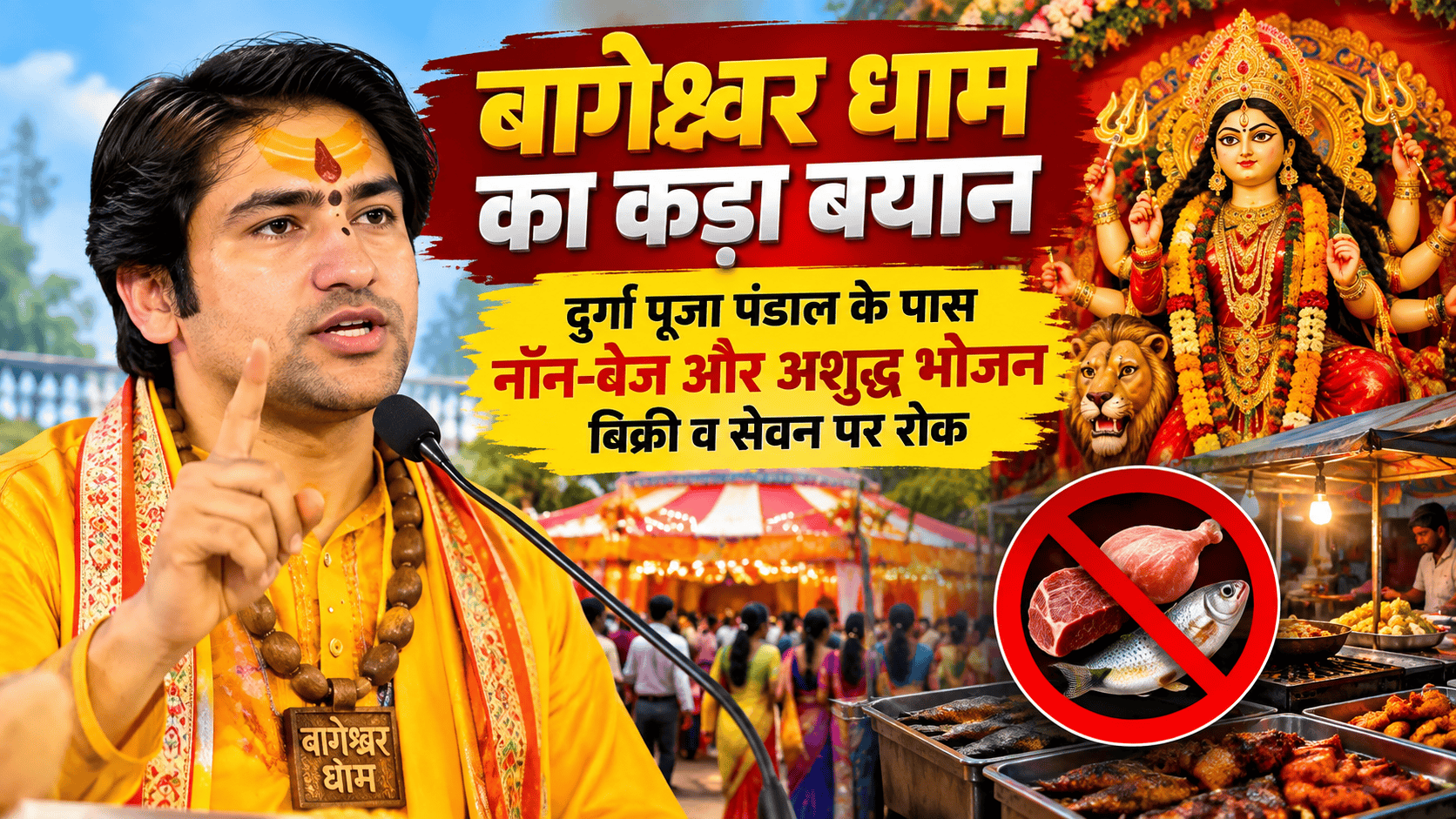
Bageshwar Dham Strong Statement on Non-Vegetarian Food Near Durga Puja Pandals
Against this backdrop, Bageshwar Dham strong statement by Pandit Dhirendra Krishna Shastri has drawn attention to the issue of food being prepared or sold near places where Goddess Durga idols are installed. India’s religious festivals are deeply connected with traditions, devotion, cleanliness, and community participation. Among these celebrations, Durga Puja holds a special place for millions of devotees who worship Goddess Durga with faith and reverence. During the festival season, pandals are decorated, devotional programmes are organized, and large numbers of people gather to offer prayers.
Pandit Dhirendra Shastri, head of Bageshwar Dham, has expressed strong disapproval of the preparation, sale, or consumption of non-vegetarian and unhygienic food in the immediate vicinity of Durga Puja pandals or idols. His comments have sparked discussion about religious sentiments, public hygiene, festival management, and the need to maintain an atmosphere of respect around places of worship.
Bageshwar Dham Strong Statement and Religious Sentiments
The Bageshwar Dham strong statement centers on the belief that areas surrounding religious installations should maintain an atmosphere consistent with the sanctity of the occasion. Durga Puja is not merely a cultural celebration but also a deeply spiritual period for devotees. People visit pandals to pray, participate in rituals, listen to devotional music, and seek blessings.
According to the sentiment expressed by Dhirendra Shastri, selling or preparing non-vegetarian food immediately behind or around such religious installations can be viewed as disrespectful by devotees. His appeal is therefore connected with the broader question of how public spaces associated with religious worship should be managed during major festivals.
The Bageshwar Dham strong statement has also emphasized the distinction between personal dietary choices and conduct around sacred spaces. People may have different food preferences, but festival organizers and local administrations can consider the sensitivities associated with particular religious environments.
Why Food Practices Around Pandals Matter
Durga Puja pandals often attract thousands of visitors. Temporary food stalls, markets, and entertainment areas emerge around them. While these arrangements are important for visitors and local businesses, maintaining cleanliness becomes equally important.
The Bageshwar Dham strong statement brings attention to hygiene as well as dietary concerns. Unhygienic food preparation, inadequate waste disposal, open cooking areas, and poor sanitation can create problems in crowded festival environments. Food waste can also attract stray animals and insects, potentially affecting the cleanliness of the surrounding area.
For this reason, festival committees can establish clearly designated food zones, ensure proper waste collection, and maintain adequate sanitation facilities. Such measures can help preserve both public health and the religious atmosphere of the celebration.
Bageshwar Dham Strong Statement Calls for Respect
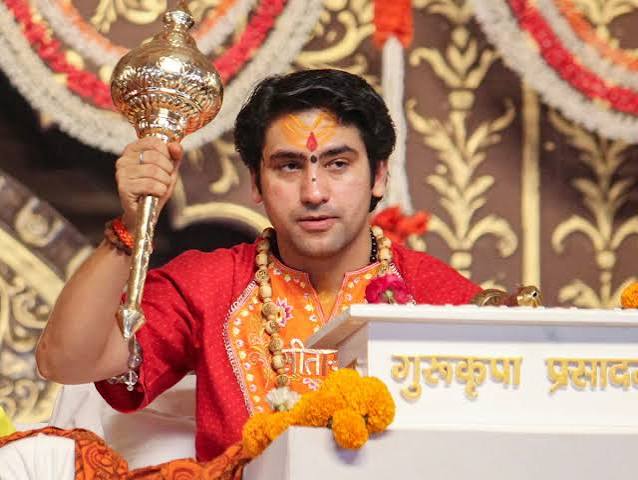
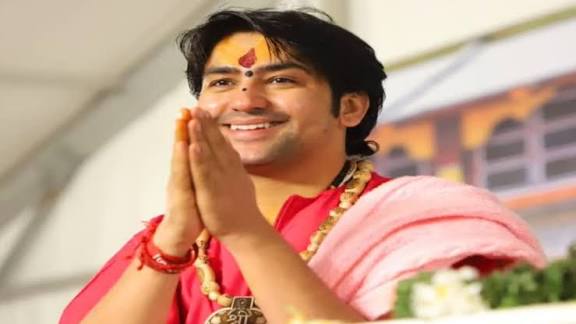
Another important aspect of the Bageshwar Dham strong statement is the call for mutual respect. Religious festivals bring together people from different backgrounds, and public celebrations require sensitivity toward diverse beliefs and traditions.
Pandit Dhirendra Shastri’s comments reflect the view that certain practices should be avoided near religious idols when they may hurt the sentiments of devotees. The issue is particularly sensitive when food preparation takes place directly behind a pandal or immediately beside an idol installation.
The Bageshwar Dham strong statement has consequently become part of a wider conversation about maintaining appropriate boundaries around places of worship. Rather than allowing festival areas to become disorderly, organizers can establish clear rules regarding vendors, food stalls, waste disposal, and cleanliness.
The Role of Festival Organizers
Festival committees play an important role in ensuring that celebrations remain peaceful, clean, and respectful. The Bageshwar Dham strong statement can be viewed as an appeal for organizers to take greater responsibility for the environment surrounding religious installations.
Before a festival begins, committees can identify designated locations for food vendors. They can also communicate guidelines regarding sanitation, waste disposal, cooking arrangements, and the types of activities permitted close to the main worship area.
Such planning can reduce unnecessary disputes and help devotees enjoy the festival comfortably. It can also provide vendors with organized spaces where they can conduct their businesses without disrupting religious activities.
Bageshwar Dham Strong Statement and Public Hygiene
The Bageshwar Dham strong statement also raises an important public-health question. During major festivals, food is often prepared in temporary structures where facilities may be limited. If cooking areas are not properly maintained, contamination can occur.
Authorities can therefore conduct food-safety inspections and ensure that vendors follow basic hygiene standards. Clean water, covered food containers, proper cooking equipment, waste bins, and safe disposal systems are essential.
The discussion generated by the Bageshwar Dham strong statement demonstrates that religious celebrations and civic responsibility can go together. Respecting religious sentiments does not have to conflict with providing food and commercial opportunities. Better planning can accommodate both.
Balancing Personal Freedom and Religious Sensitivity
The Bageshwar Dham strong statement has also brought attention to the balance between individual freedom and community sensitivity. Food choices are personal matters, but public spaces connected to religious ceremonies often have their own traditions and expectations.
A practical approach is to distinguish between general public areas and designated religious zones. Authorities and organizers can create reasonable guidelines for vendors without unnecessarily interfering with people’s private choices.
The Bageshwar Dham strong statement therefore invites a broader discussion about responsible behavior during religious festivals. Respect for others’ beliefs is an important part of peaceful coexistence, particularly in crowded public celebrations.
A Message for Devotees and Administrators


The Bageshwar Dham strong statement can also be interpreted as a message to both devotees and administrators. Devotees can contribute by keeping festival grounds clean, avoiding littering, and respecting the arrangements made by organizers.
At the same time, local authorities can ensure that festival guidelines are implemented fairly and transparently. Any restrictions around religious sites should be clearly communicated and applied according to applicable laws and local regulations.
The Bageshwar Dham strong statement has placed the issue firmly in public discussion, but the larger objective should remain peaceful and respectful celebrations.
Conclusion
The Bageshwar Dham strong statement by Pandit Dhirendra Shastri regarding non-vegetarian and unhygienic food near Goddess Durga idols has generated attention because it touches on faith, public cleanliness, cultural traditions, and community sensitivities.
For devotees, the area surrounding a Durga Puja idol represents a sacred environment deserving special respect. For administrators, the challenge is to manage large crowds, vendors, sanitation, and commercial activity while maintaining public order. For society, the broader lesson is the importance of respecting religious sentiments without creating unnecessary conflict.
Ultimately, the Bageshwar Dham strong statement highlights the importance of maintaining cleanliness and dignity around religious celebrations. The Bageshwar Dham strong statement also emphasizes sensitivity toward devotees who consider the festival environment sacred. As Durga Puja continues to bring communities together, thoughtful planning, mutual respect, hygiene, and peaceful cooperation can help ensure that the celebration remains meaningful for everyone.
Read more latest news

