
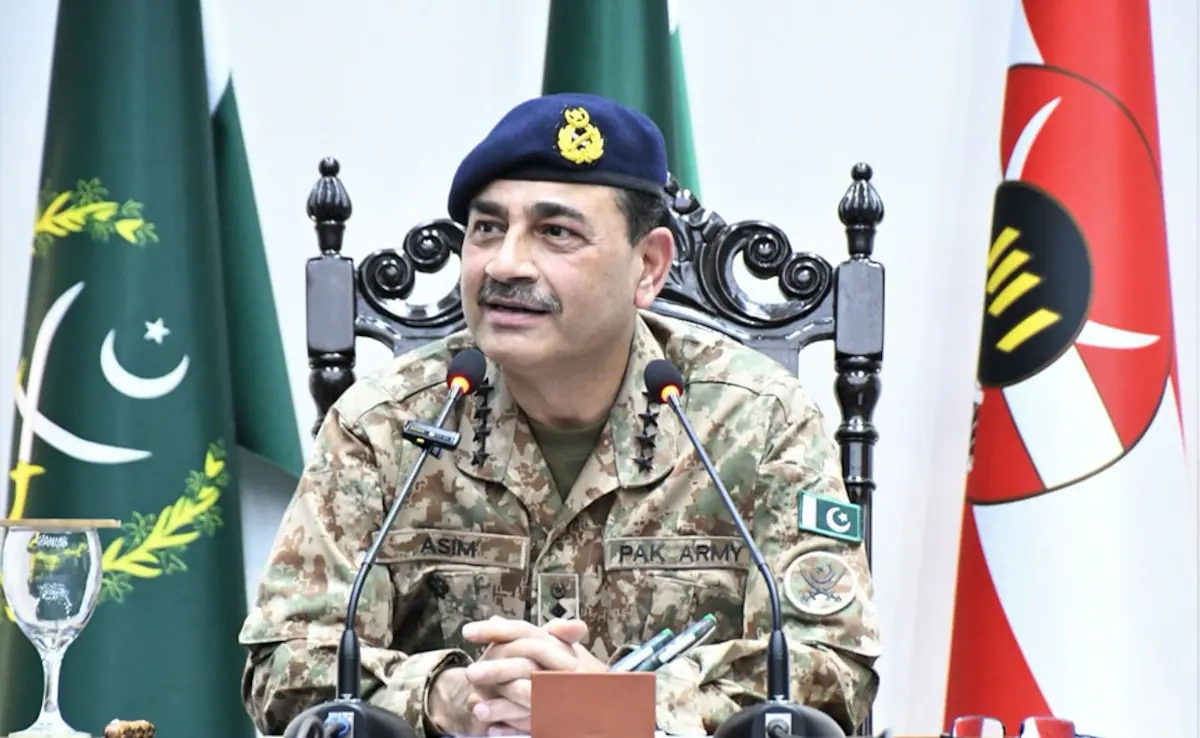
Asim Munir’s “Mercedes vs Dump Truck” Remark: A Dangerous Admission Amid Nuclear Rhetoric
I. Introduction – The Unintended Metaphor
In recent headlines, Pakistan’s Army Chief and Field Marshal, Asim Munir, made a striking analogy: India is a “shining Mercedes,” while Pakistan is a “dump truck full of gravel”. Delivered during a speech in Tampa, Florida, this metaphor—intended to underscore Pakistan’s ruggedness and defensive capacity—actually resonated as a candid admission of a persistent developmental and security deficit between the two nations.
Munir’s comments followed a string of aggressive statements, including nuclear threats—“We will take half the world down with us” if Pakistan’s existential status is jeopardized—and a vow to target Indian dams with missiles, should tensions over the Indus Waters Treaty escalate.
This blog unpacks the metaphor’s deeper significance, contextualizes it within recent regional developments, explores its domestic and international implications, and offers insight into how such rhetoric shapes the evolving strategic narrative in South Asia.
II. The “Mercedes vs Dump Truck” Analogy: Symbolism and Backlash
Field Marshal Munir’s analogy—“India is a shining Mercedes on the highway, while we are a dump truck full of gravel. If the truck hits the car, who loses?”—blended bravado with an inadvertent confession of Pakistan’s relative inferiority in infrastructure, economy, and global status.
Social media reaction was immediate and brutal: many trolling comments called it “only truth,” while others lamented that Munir himself humiliated his own country by acknowledging the gap so bluntly.
Despite the humiliation, the statement seems crafted to deliver two messages:
- Domestic reassurance: portraying Pakistan as rugged, unpredictable—willing to meet a better-equipped adversary with asymmetric threat.
- Strategic ambiguity: hinting at a dangerous possibility of mutual destruction even when overshadowed developmentally.
III. Escalating Rhetoric: Nuclear Threats and Dam Warnings
Munir’s metaphor wasn’t the only incendiary comment delivered in Tampa:
- A nuclear threat: “We’ll take half the world down with us”—a statement signaling extreme escalation if Pakistan feels existentially threatened.
- A warning against India’s potential dam-building on the Indus River: “We will wait for India to build a dam, and then destroy it with 10 missiles,” invoking both conventional and nuclear menace over water security tensions.
Together, these form a narrative of nuclear brinkmanship mixed with self-acknowledged inferiority, packaged under aggressive analogies—a dangerous combination from a South Asian stability perspective.
IV. Geopolitical Implications & Strategic Messaging
- Shift in Pakistani doctrine: Moving from deniable proxy warfare to overt nuclear signaling. These statements reflect a strategy that relies on fear and deterrence, even while acknowledging Pakistan’s weaknesses.
- Message to the United States: Delivered on U.S. soil, in Tampa—near CENTCOM HQ—the rhetoric may aim to assert Pakistan’s continued strategic relevance amid shifting U.S.-Pakistan engagements.
- Regional Stability at Risk: With Kashmir tensions and water disputes ongoing, such rhetoric undermines the fragile equilibrium that has held through intermittent hostility.
- Diplomatic Cost: While designed to project strength, the analogy and threats may further isolate Pakistan internationally. Even moderate analysts like Samir Saran suggest India focus on outcomes, not fiery rhetoric.
V. Domestic Impact & Media Oscillation
Within Pakistan, such statements serve a dual-edged domestic purpose:
- Consolidating military leadership’s image: As a decisive, uncompromising guardian of sovereignty—essential as civil-military tensions persist.
- Exposing internal fault lines: The analogy triggered ridicule even within segments of Pakistani society, raising questions about confidence, self-perception, and leadership messaging.
This also influenced media coverage: while Navbharat Times, AajTak, and others amplified the analogies, they often did so in mocking tones or with critical framing.
VI. An Uncertain Road Ahead for South Asia
Field Marshal Munir’s rhetoric signals a growing willingness to verbalize threats of nuclear escalation and symbolic violence. But while this may provide short-term deterrence, the metaphor of “dump truck colliding with Mercedes” suggests fatalism more than defiance.
India’s response, for now, seems to lean toward strategic resilience and based-on-strength posture, rather than emotional reaction.
Long-term, such rhetoric compounds risks: increasing mistrust, breaking channels of dialogue, and exhausting diplomatic patience.
VII. Conclusion: A Metaphor with Consequences.
Asim Munir’s metaphor—clumsy, revealing, and alarming—spoke volumes. It laid bare the chasm between India and Pakistan: technologically, economically, diplomatically. By invoking nuclear threats and water security aggression alongside it, he loaded the metaphor with deadly implications.
Read more latest news

