
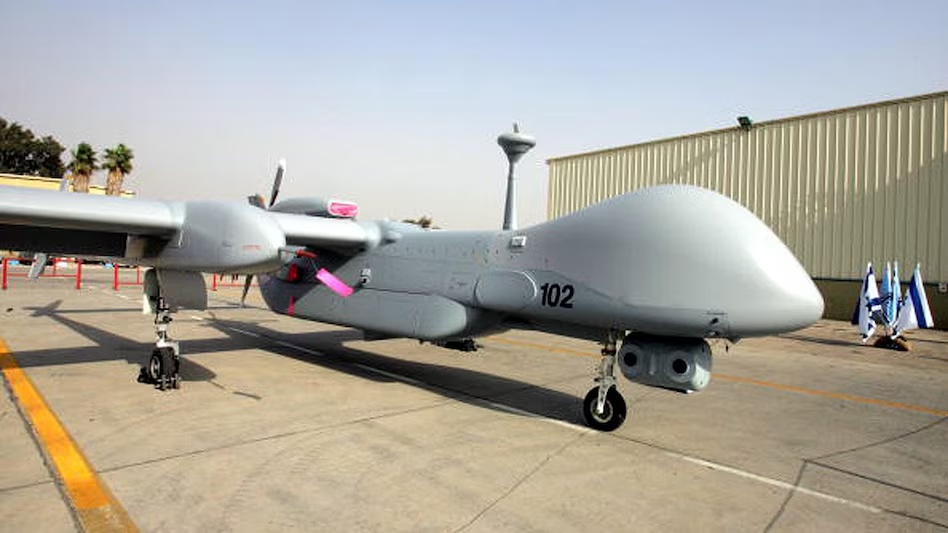
Indian Army Deploys Advanced Drone Technology Along Pakistan–China Border
India has taken a major step toward strengthening its national security architecture with the deployment of high tech drones along the sensitive Pakistan–China border. This move marks a significant shift in how border surveillance and threat detection are carried out in some of the most challenging terrains in the world. With evolving security threats and rapid technological advancements, the Indian Army’s focus on drone-based surveillance reflects a modern, proactive defence strategy aimed at ensuring round-the-clock vigilance.
A Strategic Upgrade in Border Surveillance
The decision to deploy high tech drones comes at a time when traditional surveillance methods face limitations due to harsh weather conditions, rugged landscapes, and vast border stretches. The Line of Control and the Line of Actual Control pass through mountainous regions, dense forests, and high-altitude zones where human patrols are both risky and resource-intensive. Drone surveillance bridges these gaps by providing constant monitoring without exposing soldiers to unnecessary danger.
Strengthening Vigilance on Two Critical Fronts
The Pakistan and China borders represent two of India’s most sensitive and strategically important frontiers, making the deployment of high tech drones a crucial defensive measure. These borders have witnessed infiltration attempts, smuggling activities, and increased military movement over the years. With advanced aerial monitoring, the Indian Army can now maintain real-time oversight of activities across these regions, significantly enhancing situational awareness.
Plan to Acquire 20 Tactical Remotely Piloted Aircraft
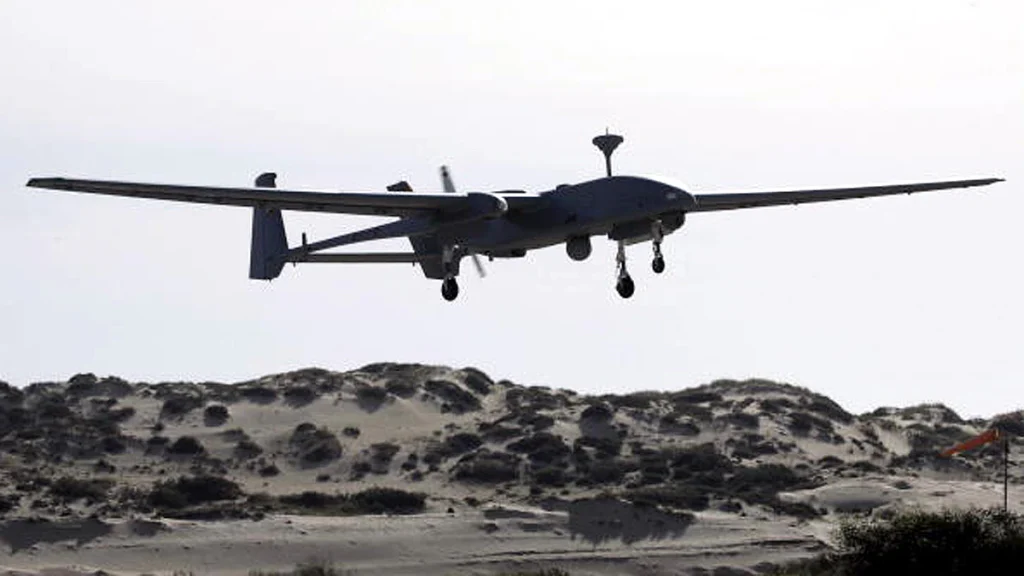
To further boost its surveillance capabilities, the Indian Army plans to procure 20 tactical remotely piloted aircraft that will complement existing high tech drones. These aircraft are designed for extended endurance missions and can cover vast areas in a single sortie. Their integration will enable seamless coordination between ground units and aerial surveillance platforms, ensuring comprehensive border monitoring.
Real-Time Intelligence and Faster Response
One of the biggest advantages of high tech drones is their ability to transmit real-time data to command and control centers. High-resolution cameras, thermal imaging, and night-vision sensors allow the Army to detect suspicious movement, infiltration attempts, or infrastructure development across the border. This instant flow of information drastically reduces response time, allowing for swift and calculated military action when needed.
Learning from Modern Warfare Trends
Global conflicts in recent years have demonstrated the decisive role played by high tech drones in surveillance, reconnaissance, and battlefield awareness. Modern warfare increasingly prioritizes information dominance, and drones act as force multipliers by providing accurate, timely intelligence. By adopting these systems, the Indian Army is aligning itself with contemporary military practices and preparing for future conflict scenarios.
Reducing Risk to Soldiers
Border deployment often involves extreme physical and psychological challenges, especially in high-altitude and hostile environments. The use of high tech drones significantly reduces the need for constant human presence in dangerous zones. Soldiers can rely on drone-generated data for surveillance tasks, allowing them to focus on strategic operations and maintain better operational readiness.
Expanded Coverage and Operational Reach
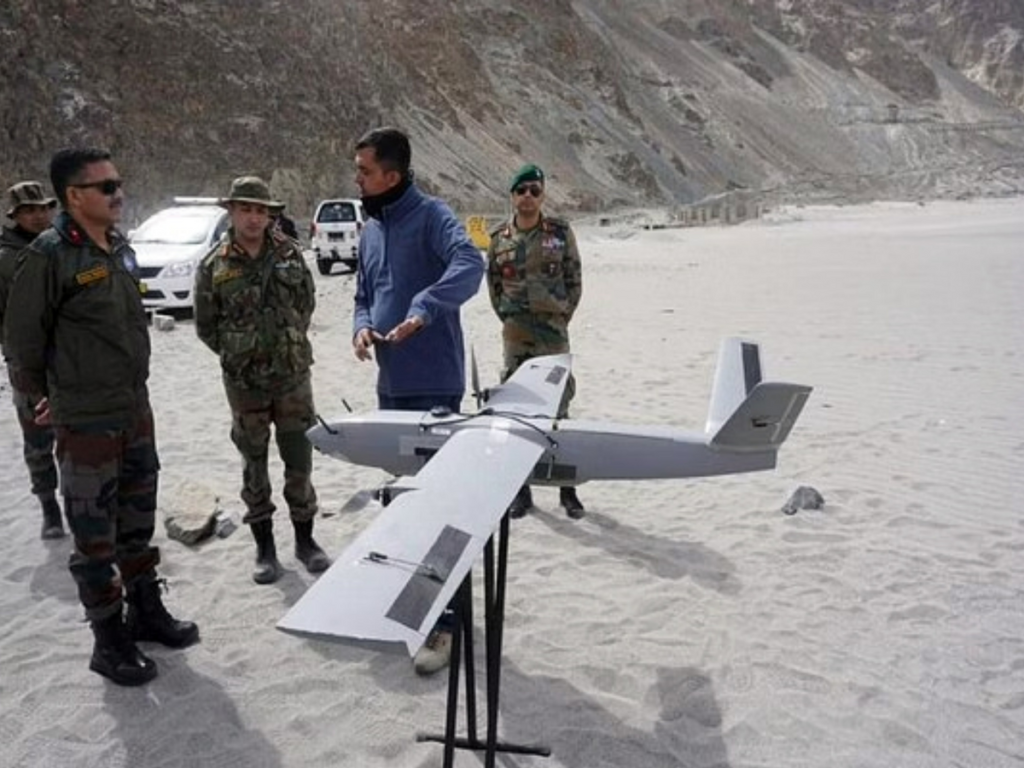
With the induction of new tactical systems, the operational scope of high tech drones will expand considerably. These platforms are capable of long-range flights, enabling the monitoring of large border segments in a single mission. Such extensive coverage ensures that blind spots are minimized and potential threats are identified early.
Countering Infiltration and Smuggling Attempts
Along the Pakistan border, high tech drones play a vital role in detecting infiltration attempts and drone-based smuggling of weapons or narcotics. Advanced Indian drone systems equipped with anti-jamming capabilities and sophisticated sensors help track and intercept hostile drones, strengthening internal security and border control.
Surveillance Advantage Along the China Border
The vast Himalayan terrain along the China border makes traditional surveillance extremely challenging. In this context, high tech drones provide a decisive advantage by operating at high altitudes and monitoring areas that are otherwise inaccessible for long durations. These drones can observe troop movements, infrastructure development, and logistical activities across the border with remarkable precision.
Part of India’s Defence Modernization Drive
The deployment of high tech drones aligns with India’s broader defence modernization agenda, which emphasizes advanced technology, network-centric warfare, and rapid response capabilities. Investments in drone technology complement other initiatives aimed at strengthening the armed forces and ensuring preparedness for emerging security challenges.
Boost to Indigenous Defence Capabilities
Alongside imports, indigenous development is increasingly supporting the deployment of high tech drones. Indian defence startups and public-sector units are contributing to the unmanned systems ecosystem, reducing reliance on foreign suppliers. This focus on self-reliance enhances customization, faster upgrades, and long-term sustainability of drone operations.
Ensuring Cyber and Data Security
The effectiveness of high tech drones depends heavily on secure communication and data transmission. The Indian Army has invested in encrypted links and robust cybersecurity measures to protect drone operations from interception or hacking. In an era where cyber warfare is a growing concern, safeguarding drone networks is critical to maintaining operational integrity.
Improved Coordination Across Forces
Information gathered by high tech drones can be shared seamlessly with ground forces, air force units, and intelligence agencies. This integrated flow of data enhances joint operations and ensures that decision-makers have a comprehensive view of the operational environment, improving coordination and efficiency.
Psychological Deterrence Against Adversaries
Continuous aerial surveillance using high tech drones also serves as a psychological deterrent. The knowledge that movements are being closely monitored discourages hostile actions and reduces the likelihood of miscalculations along sensitive border areas. This persistent watchfulness contributes to maintaining stability.
Training and Skill Development
To maximize the benefits of high tech drones, the Indian Army has focused on training personnel in drone operation, data analysis, and intelligence interpretation. Skilled operators and analysts ensure that surveillance data is converted into actionable insights, making drone deployment more effective.
All-Weather Surveillance Capability
Modern high tech drones are designed to operate in adverse weather conditions, including snow, fog, and strong winds. This capability is especially valuable along the China border, where extreme weather often disrupts traditional surveillance. Drones ensure uninterrupted monitoring despite environmental challenges.
Beyond Surveillance: Future Applications
The potential of high tech drones extends beyond border surveillance. These platforms can be used for search and rescue missions, disaster response, and logistical support in remote areas. Their versatility makes them a valuable asset not only during conflicts but also in humanitarian operations.
Strategic Stability and Measured Responses
By deploying high tech drones, India aims to maintain a strong defensive posture while avoiding unnecessary escalation. Enhanced surveillance reduces uncertainty and helps prevent misunderstandings along disputed borders. Accurate information allows for measured, well-informed responses rather than reactive decisions.
Conclusion: A Technological Shield for India’s Borders
In conclusion, the deployment and expansion of high tech drones along the Pakistan–China border represent a decisive step in strengthening India’s border surveillance and defence capabilities. By embracing advanced technology, improving real-time intelligence, and prioritizing soldier safety, the Indian Army is future-proofing its operations. As security challenges continue to evolve, drone technology will remain a cornerstone of India’s strategy to protect its sovereignty and ensure long-term national security.
Read more latest news

