
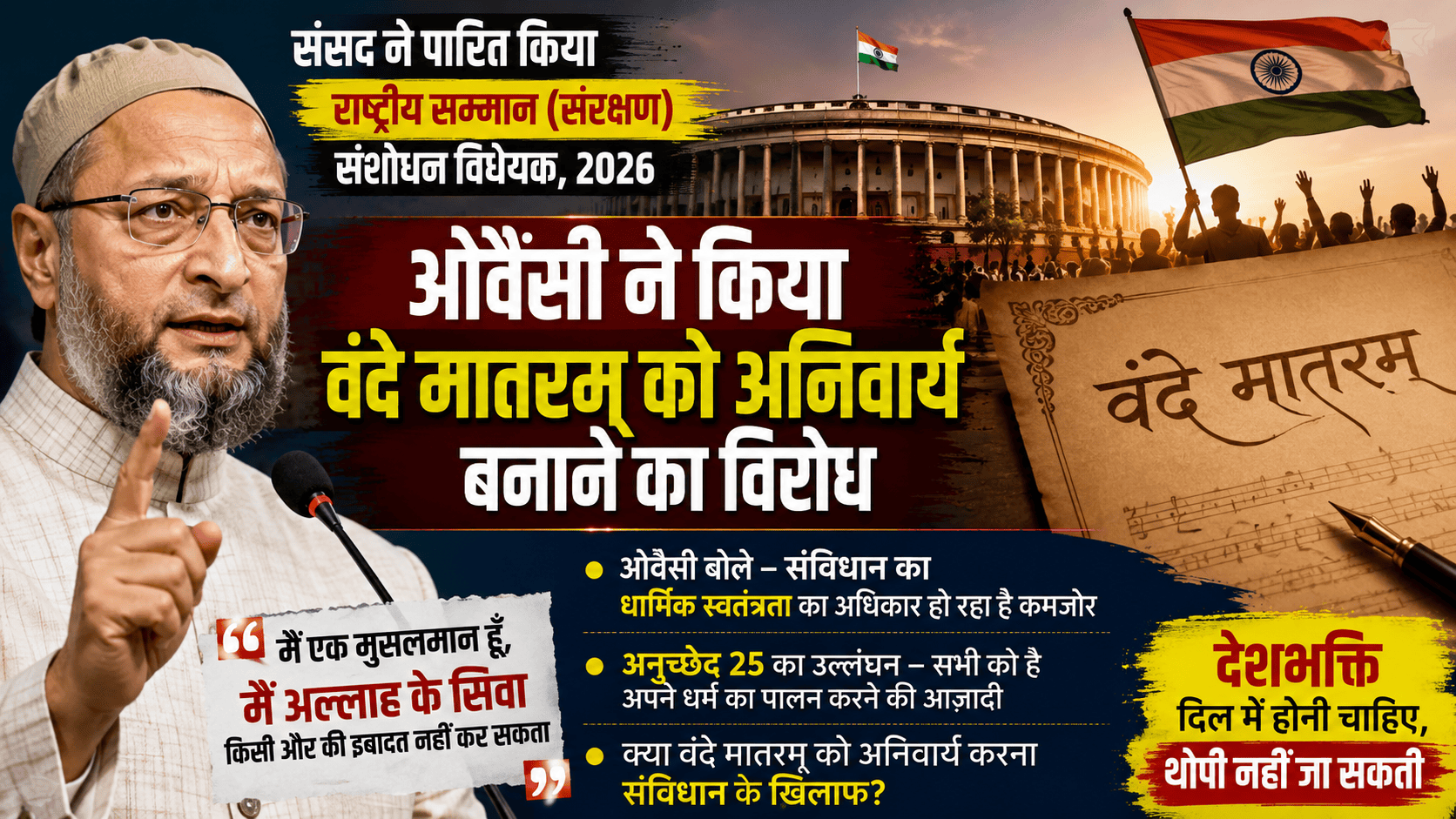
AIMIM chief Owaisi say: Vande Mataram Amendment Bill 2026 Sparks Political and Constitutional Debate
The controversy intensified after AIMIM chief Owaisi say that the proposed move to make ‘Vande Mataram’ mandatory violates the constitutional guarantee of religious freedom. His remarks have sparked widespread discussion across political circles, legal forums, and social media platforms. The passage of the Prevention of Insults to National Honour (Amendment) Bill, 2026 by Parliament has triggered a nationwide political debate, with opposition parties and constitutional experts expressing differing views on the legislation.
The latest controversy revolves around whether making the singing or recitation of Vande Mataram compulsory aligns with India’s constitutional principles. While supporters of the amendment argue that the national song represents patriotism and national unity, critics believe compulsory participation may infringe upon individual religious beliefs and fundamental rights.
AIMIM chief Owaisi say Constitution Protects Religious Freedom
Addressing the media after the bill was passed, AIMIM chief Owaisi say that as a Muslim, he can worship only Allah and cannot be compelled to worship or bow before anyone or anything else. He argued that the Constitution guarantees every citizen the freedom to practice and profess their religion without coercion.
According to Owaisi, patriotism cannot be measured by forcing individuals to participate in specific cultural or religious practices. He emphasized that India is a secular democracy where citizens belong to multiple faiths, and constitutional values should remain above political considerations.
What Is the Prevention of Insults to National Honour (Amendment) Bill 2026?
The newly passed amendment seeks to strengthen the legal framework surrounding national symbols, including the National Flag, National Anthem, and National Song. Supporters claim that the legislation is intended to promote respect for national identity and ensure that national symbols receive appropriate recognition.
However, opposition leaders have questioned certain provisions of the amendment, particularly those concerning the mandatory observance of Vande Mataram. AIMIM chief Owaisi say that any attempt to legally compel citizens to sing or recite the national song could conflict with constitutional protections guaranteed under Articles 19, 21, and 25.
The debate has therefore shifted beyond politics and entered the realm of constitutional interpretation.
Why Owaisi Opposes Mandatory Vande Mataram
Explaining his opposition, AIMIM chief Owaisi say that Islam permits worship only of Allah. He stated that certain verses of Vande Mataram describe the nation in a manner that some Muslims believe is inconsistent with Islamic principles of monotheism.
He clarified that his objection is not against India or patriotism but against making participation compulsory. According to him, every citizen has the right to express love for the nation in ways that do not violate personal religious beliefs.
This distinction has become central to the ongoing political debate.
Constitutional Questions Raised
Legal experts note that Article 25 of the Constitution guarantees freedom of conscience and the right to freely profess, practice, and propagate religion, subject to public order, morality, and health.
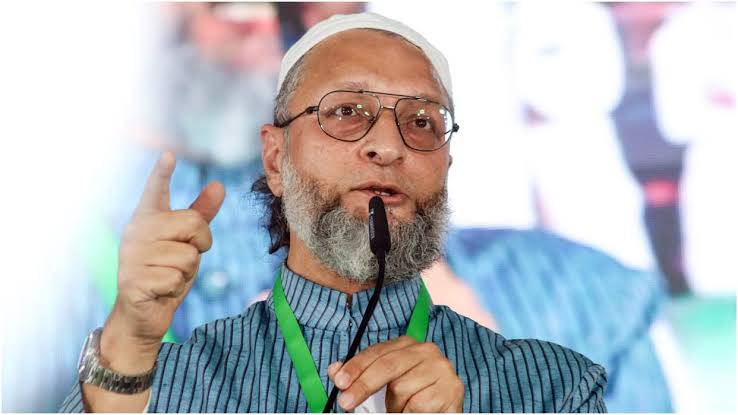
During his statement, AIMIM chief Owaisi say that forcing citizens to sing a song against their religious convictions could amount to violating these constitutional safeguards.
Several constitutional scholars have pointed out that the Supreme Court has, in previous judgments, upheld the rights of individuals whose religious beliefs prevent participation in certain patriotic ceremonies, provided they show due respect to national symbols.
These legal precedents are now expected to become part of the broader debate surrounding the amendment.
Government’s Position
The government has defended the amendment by stating that national unity and respect for national symbols are essential for strengthening the country’s democratic framework.
Supporters argue that Vande Mataram has played a historic role during India’s freedom struggle and remains a symbol of sacrifice and patriotism. They insist that encouraging respect for the national song should not be viewed through the lens of religion.
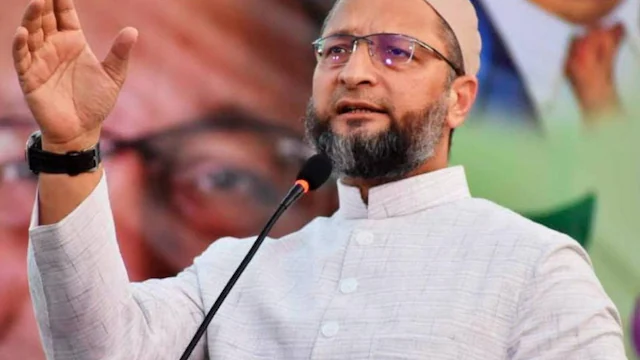
Despite these arguments, AIMIM chief Owaisi say that respect for the nation cannot be equated with compulsory participation in any particular expression of patriotism.
Political Reactions Across Parties
Owaisi’s statement has generated mixed political reactions.
Several opposition leaders have supported the argument that constitutional freedoms should remain paramount. Others believe that patriotism should be encouraged through voluntary participation rather than legal mandates.
On the other hand, ruling alliance leaders have criticized Owaisi’s remarks, accusing him of politicizing a matter related to national pride.
Responding to these criticisms, AIMIM chief Owaisi say that defending constitutional rights should never be interpreted as being against the nation.
The political confrontation has now expanded into television debates, public discussions, and social media campaigns.
Historical Background of Vande Mataram
Vande Mataram, written by Bankim Chandra Chattopadhyay, became one of the most influential songs during India’s independence movement.
The first two stanzas of the song enjoy official recognition as India’s National Song.
Over the decades, however, certain religious groups have objected to later verses because they portray the nation as a goddess, leading to periodic political controversies.
Referring to this historical context, AIMIM chief Owaisi say that respecting India’s freedom movement does not require citizens to compromise their religious beliefs.
Public Debate on Nationalism and Individual Rights
The controversy has once again revived the long-standing debate over balancing national identity with individual freedoms.
Many constitutional experts believe that patriotism flourishes best when it is voluntary rather than compulsory.
Civil society organizations have also urged lawmakers to ensure that constitutional liberties remain protected while promoting national unity.
During public discussions, AIMIM chief Owaisi say that India derives its strength from diversity, and every community should feel equally respected under the Constitution.
His remarks have become a focal point in discussions about secularism and pluralism.
Legal Challenges May Follow
Several legal observers believe that petitions challenging portions of the amendment could soon reach the Supreme Court.
If such petitions are filed, the judiciary may once again examine whether compulsory participation in patriotic practices is consistent with Articles 19, 21, and 25 of the Constitution.
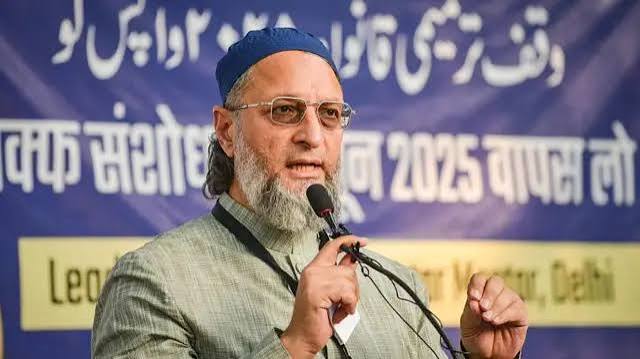
Commenting on the possibility of legal action, AIMIM chief Owaisi say that constitutional institutions must safeguard the rights guaranteed to every citizen irrespective of religion.
The outcome of any judicial review could significantly influence future policies involving national symbols.

Impact on National Politics
The issue is expected to remain politically significant in the coming months.
Political parties are likely to use the controversy to mobilize supporters ahead of upcoming elections, making the debate an important electoral issue.
Analysts believe that questions surrounding constitutional rights, secularism, nationalism, and religious freedom will dominate political discourse.
Reiterating his position, AIMIM chief Owaisi say that his opposition is based entirely on constitutional principles and religious freedom rather than political considerations.
Conclusion
The passage of the Prevention of Insults to National Honour (Amendment) Bill, 2026 has opened a fresh constitutional and political debate over the balance between patriotism and religious liberty. AIMIM chief Owaisi say that making Vande Mataram mandatory infringes upon the religious freedom guaranteed by the Constitution, while supporters of the legislation maintain that it strengthens national unity and respect for national symbols.
As legal experts, political leaders, and citizens continue to debate the issue, the controversy is likely to shape discussions on constitutional rights, secularism, and national identity for months to come. Whether the matter ultimately reaches the Supreme Court or remains confined to political discourse, it has once again highlighted the ongoing challenge of balancing national values with individual freedoms in the world’s largest democracy.
Read more latest news

