
After Kerala Youth Death At Warfront
After Kerala Youth The death of a young man from Kerala who had reportedly joined the Russian military to fight in the ongoing conflict has raised concerns within India. Following the tragic incident, the Ministry of External Affairs (MEA) has sought an expedited discharge for Indians currently serving in the Russian military under contractual obligations. This development underscores the growing geopolitical sensitivities and the broader implications for Indian nationals entangled in international conflicts.
The Kerala Youth Story: Tragic Loss and Complex Context
The young man, identified as Anand Pillai, hailed from Kozhikode in Kerala. According to reports, he had moved to Russia in 2022 to pursue a career opportunity but was later recruited into the Russian armed forces under a contractual program targeting foreign nationals. His untimely death in active combat has sent shockwaves across his home state and sparked discussions about the risks Indian citizens face in warzones.
After Kerala Youth Family’s Reaction
The family of the deceased youth has expressed grief and anguish, questioning how Anand was allowed to participate in a foreign conflict. “We sent him abroad for a better future, not to die on a battlefield,” his father lamented. The family has also appealed to the Indian government to prevent similar incidents in the future.
After Kerala Youth India’s Response: MEA Steps In
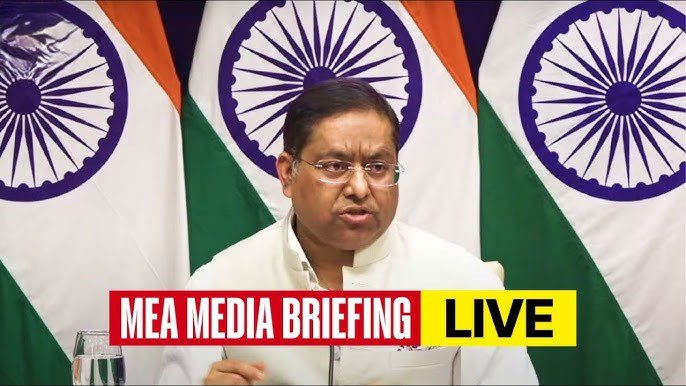
The Ministry of External Affairs has issued a formal statement expressing condolences to the bereaved family and reaffirming its commitment to ensuring the safety of Indian nationals abroad. The MEA has initiated diplomatic channels to address the following key issues:
- Early Discharge of Indian Recruits:
- The MEA has formally requested Russian authorities to facilitate the early discharge of Indians who might have joined the Russian military under contractual terms.
- Awareness Campaigns:
- Plans to launch campaigns discouraging Indian citizens from joining foreign armed forces, particularly in conflict zones, are being considered.
- Legal Clarity:
- The government is working on clarifying the legal implications for Indians joining foreign militaries, especially in cases where recruitment could contravene Indian or international laws.
After Kerala Youth Recruitment of Foreign Nationals in the Russian Military
Russia has been actively recruiting foreign nationals to bolster its military ranks amid its ongoing conflict. The contractual program offers significant financial incentives and promises of residency or citizenship, which can attract individuals seeking better opportunities.
Why Indians Are Joining
- Economic Incentives: High-paying contracts appeal to Indians struggling with unemployment or financial difficulties.
- Lack of Awareness: Many recruits may not fully comprehend the risks involved or the ethical and legal ramifications of participating in a foreign conflict.
- Immigration Benefits: The promise of expedited residency or citizenship in Russia serves as a strong motivator.
After Kerala Youth Geopolitical Implications
The involvement of Indian nationals in the Russian military carries significant geopolitical and diplomatic implications:
- India-Russia Relations:
- India has maintained a neutral stance on the Russia-Ukraine conflict, emphasizing dialogue and diplomacy. However, the presence of Indian nationals in the Russian military complicates this position.
- Global Perception:
- India’s image as a neutral and peace-promoting nation could be questioned if its citizens are perceived as actively participating in the conflict.
- Diplomatic Challenges:
- Addressing the legal and humanitarian concerns of Indian recruits in foreign armed forces requires careful negotiation to avoid straining bilateral ties.
After Kerala Youth Humanitarian Concerns and Legal Challenges
The incident highlights the broader challenges faced by Indian nationals in foreign lands, including exploitation, misinformation, and inadequate legal protections.
Humanitarian Concerns:
- Many recruits come from economically weaker backgrounds and may not have fully understood the terms of their contracts.
- Families often struggle to navigate the bureaucratic process to bring back loved ones who are injured, deceased, or detained in foreign conflicts.
Legal Challenges:
- Indian laws prohibit citizens from engaging in mercenary activities, but enforcement remains complex, especially when such activities occur abroad.
- Determining the legality of recruitment contracts signed under foreign jurisdictions adds another layer of complexity.
After Kerala Youth Efforts to Prevent Similar Incidents
The government is taking several proactive steps to prevent similar tragedies:
- Enhanced Consular Support:
- Indian embassies are being directed to closely monitor cases involving Indian nationals in conflict zones and provide timely assistance.
- Community Outreach:
- The MEA plans to engage with Indian communities abroad to raise awareness about the risks of joining foreign militaries.
- Policy Revisions:
- Discussions are underway to revise travel advisories and provide clearer guidance on employment opportunities in conflict-affected regions.
- Legal Framework:
- The government is exploring the possibility of stricter laws to deter Indians from joining foreign armed forces without official sanction.
After Kerala Youth Voices from Kerala and Beyond
The incident has sparked widespread debate in Kerala, with political leaders, social activists, and ordinary citizens weighing in:
- Political Leaders: Opposition leaders have criticized the state and central governments for failing to ensure the safety of Indians abroad.
- Activists: Human rights activists have called for stricter regulations to protect economically vulnerable individuals from exploitation.
- Citizens: Social media platforms are abuzz with discussions about the risks of emigration and the importance of government intervention.
After Kerala Youth A Broader Reflection on Migration Risks
The tragedy serves as a stark reminder of the vulnerabilities faced by migrants seeking better opportunities abroad. It highlights the need for:
- Better Pre-Migration Education: Equipping potential emigrants with information about employment rights, legal obligations, and risks.
- Stronger Support Networks: Establishing robust support systems for Indian nationals in host countries.
- Collaborative International Efforts: Working with other nations to prevent exploitation and ensure the humane treatment of migrant workers.
Conclusion
After Kerala Youth The death of a young man from Kerala in the Russian military has brought to light the complex issues surrounding Indian nationals working abroad, particularly in conflict zones. While the incident has prompted immediate diplomatic action, it also calls for a long-term strategy to protect migrants and prevent such tragedies in the future.
As India seeks to balance its foreign policy with the welfare of its citizens, the government’s response to this incident will be closely watched both domestically and internationally. The lessons learned from this tragedy could pave the way for more comprehensive policies aimed at safeguarding the interests of Indian nationals worldwide.
Read More Latest news

