
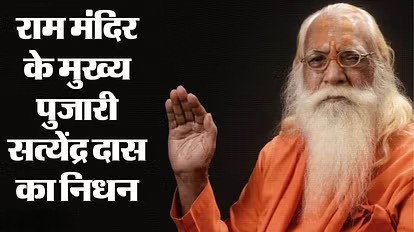
On February 11, 2025, the spiritual world lost a revered figure, Acharya Satyendra Das, the Chief Priest of the Ram Janmabhoomi Temple in Ayodhya, who passed away at the age of 78 in Lucknow. The death of this distinguished leader has left an indelible mark on the hearts of millions of devotees who saw him not just as a priest, but as a symbol of devotion, peace, and spiritual leadership. His passing marks the end of an era in the temple’s rich history, as Acharya Das played a pivotal role in the construction and spiritual sanctity of the Ram Temple.
Acharya Satyendra Das’s life and contributions are deeply entwined with the Ayodhya Ram Temple, a site that is as historically significant as it is spiritually revered. His death at the age of 78 leaves behind a legacy that will continue to be honored by Hindus around the world. To understand the impact of his passing, it is essential to reflect on his life’s work, his contribution to the Ram Janmabhoomi movement, and the profound influence he had on the spiritual landscape of India.
Early Life and Spiritual Journey
Acharya Satyendra Das was born into a family with strong religious and spiritual traditions. His early years were shaped by exposure to spiritual teachings and the customs of Hinduism, which laid the foundation for his lifelong devotion to Lord Ram. His family had a deep connection with the Ram Janmabhoomi, and it was in this spiritual environment that he developed his intense dedication to Lord Ram, a devotion that would later shape his identity as the Chief Priest of the temple.
From a young age, he was involved in religious rituals, learning the ancient Vedic scriptures, performing yajnas (ritual sacrifices), and studying the rich history of Hinduism. His understanding of the texts and his ability to connect with people on a spiritual level set him apart. He soon became an integral part of the religious community in Ayodhya, a city long associated with the birth of Lord Ram and a focal point for Hindu devotion.
Role in the Ram Janmabhoomi Movement
Acharya Satyendra Das’s association with the Ram Janmabhoomi movement was not just ceremonial, but deeply spiritual. For decades, Ayodhya had been at the heart of a contentious and emotional debate over the construction of a temple at the site where Hindus believe Lord Ram was born. The Babri Masjid, built in the 16th century by the Mughal emperor Babur, had stood at the same spot, leading to years of religious and political turmoil.
Acharya Das became an instrumental figure in this movement, playing a key role in the quest to reclaim the Ram Janmabhoomi for Hindus. In the early 1990s, when the Babri Masjid was demolished by thousands of Hindu activists, Acharya Das was among those who became the spiritual face of the Ram Janmabhoomi movement. He was deeply involved in leading prayers, rituals, and efforts to bring the Ram Temple vision into reality.
In the years that followed, as the legal and political challenges persisted, Acharya Das’s steadfast leadership helped maintain the morale of millions of Hindus who felt an emotional connection to the site. His position as the Chief Priest of the Ram Janmabhoomi gave him the unique responsibility of bridging the gap between the spiritual and political aspects of the movement. He was instrumental in guiding the devotees with compassion and wisdom, offering solace during times of uncertainty, and maintaining faith in the ultimate victory of the temple.
Acharya Das was a staunch advocate for peace, always emphasizing that the construction of the temple should be a peaceful and spiritual endeavor. His approach was rooted in the belief that the temple was not merely a structure but a symbol of Lord Ram’s divine presence. For him, the completion of the Ram Temple was a sacred duty, one that he believed would uplift the spiritual consciousness of Hindus across the globe.
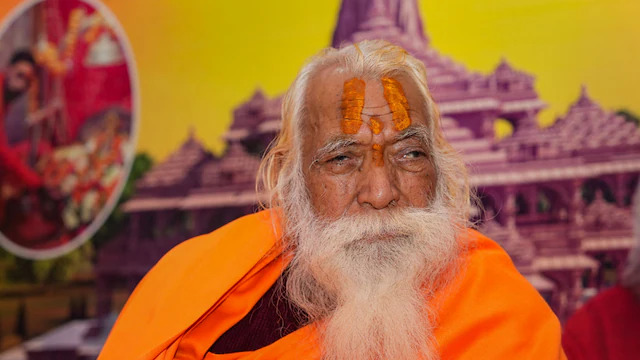
The Construction of the Ram Temple
The groundbreaking ceremony for the Ram Janmabhoomi Temple in August 2020 marked a historic moment for millions of Hindus. Acharya Satyendra Das was front and center at the ceremony, offering prayers and blessings for the successful construction of the temple. The event was attended by several key political leaders, including Prime Minister Narendra Modi, and was a culmination of the decades-long legal and political struggle.
Despite the challenges, Acharya Das remained unwavering in his support for the temple’s construction, believing that it was the right of Hindus to build a temple at the birthplace of Lord Ram. His role as Chief Priest was not just about performing rituals but also ensuring the temple would remain a symbol of devotion and unity for generations to come.
His leadership during the construction phase was crucial. As the temple’s chief priest, he helped guide the entire process, overseeing the spiritual aspects of the temple’s construction, from the design of the temple to the placement of idols. Under his guidance, the temple was constructed with a deep sense of devotion and reverence, aiming to create a space that would inspire peace and devotion among all Hindus.
Spiritual Leadership and Influence
Beyond his involvement in the Ram Janmabhoomi movement, Acharya Satyendra Das was also a deeply respected spiritual leader. His ability to connect with people from all walks of life was a testament to his humility and dedication to Lord Ram. Whether it was a devotee from the local community in Ayodhya or a visitor from abroad, Acharya Das was known for offering words of comfort, wisdom, and compassion.
His sermons and discourses were filled with teachings from the Vedas, Upanishads, and other sacred Hindu texts. His message was simple yet profound – that devotion to Lord Ram transcends all barriers, and the ultimate purpose of life is to surrender to the divine will. He often emphasized the importance of leading a life rooted in righteousness (dharma) and compassion, following the ideals set by Lord Ram himself.
Acharya Das was also known for his deep understanding of Hindu rituals and traditions. As the chief priest of the Ram Janmabhoomi Temple, he played a critical role in ensuring that every ritual performed at the temple adhered to the highest standards of Hindu tradition. He was meticulous about the purity and sanctity of the temple rituals, ensuring that each prayer, each offering, and each puja (ritual worship) was performed with devotion and respect.
Legacy and Impact on the Ram Temple
Acharya Satyendra Das’s legacy is inextricably linked to the Ram Janmabhoomi Temple, and his passing has left a deep void in the hearts of millions. As the chief priest, he was a guiding light, a spiritual anchor, and a symbol of faith for countless devotees. His death is not just the loss of a leader, but of a man whose life was dedicated to the service of Lord Ram and the spiritual upliftment of humanity.
The Ram Janmabhoomi Temple, now under construction, will stand as a testament to his tireless efforts and unwavering faith. While the temple’s physical structure will rise in grandeur, it is the spiritual legacy of Acharya Satyendra Das that will continue to inspire future generations. His devotion, wisdom, and leadership will always be remembered by those who followed his teachings and admired his unwavering commitment to the cause.
The spiritual and religious community in Ayodhya, as well as across India, mourns the loss of Acharya Satyendra Das, but they also celebrate the immense contributions he made to the preservation of Hindu traditions, the Ram Janmabhoomi movement, and the ongoing work of constructing the Ram Temple.
Tributes from Across the Nation
Following his death, tributes poured in from all corners of India. Political leaders, spiritual leaders, and devotees expressed their sorrow and remembered Acharya Das for his role in the Ram Janmabhoomi movement and his unwavering devotion to Lord Ram. Prime Minister Narendra Modi, Uttar Pradesh Chief Minister Yogi Adityanath, and other political leaders extended their condolences to his family and the religious community. Many spoke of his humble and selfless nature, his tireless work to protect the interests of Hindus, and his role in uniting the community during challenging times.
Leaders from various religious backgrounds also acknowledged Acharya Das’s efforts to promote peace and harmony, recognizing his significant role in advocating for a peaceful and respectful solution to the Ram Janmabhoomi dispute. His leadership, which was always rooted in compassion and righteousness, was admired by people from all walks of life.
Conclusion
Acharya Satyendra Das’s death marks the end of an era in the spiritual and religious life of India. As Chief Priest of the Ram Janmabhoomi Temple, his contributions were not just ceremonial but deeply rooted in his faith, wisdom, and leadership. His passing leaves a spiritual void, but his legacy will live on in the temple he helped to build, in the hearts of millions of devotees, and in the continued journey of the Ram Janmabhoomi movement.
Acharya Satyendra Das was not just a religious leader; he was a guide, a teacher, and a beacon of hope for Hindus across the world. His commitment to Lord Ram, his unwavering faith, and his selfless service will continue to inspire generations to come. As the Ram Janmabhoomi Temple nears its completion, his memory will forever be intertwined with its sacred walls, a living testament to his lifelong dedication to the divine cause.
May his soul rest in peace, and may his teachings continue to guide us all on the path of righteousness and devotion.
read more latest news

